Understand any stock in simple English
Enter a ticker to learn what the company does and how it makes money.
Interswitch Group
Interswitch runs the digital pipes that let people and businesses in Nigeria and across Africa pay each other and move money electronically.
Interswitch is the company that quietly sits behind a huge share of the card payments and electronic money transfers in Nigeria. When you swipe a debit card at a shop in Lagos, withdraw cash from an ATM, or pay a bill online, there is a good chance Interswitch's network is the thing checking your balance, approving the transaction, and moving the money between banks. It built the rails that connect banks, merchants, and payment machines, and it earns a small fee on the traffic that flows through those rails.
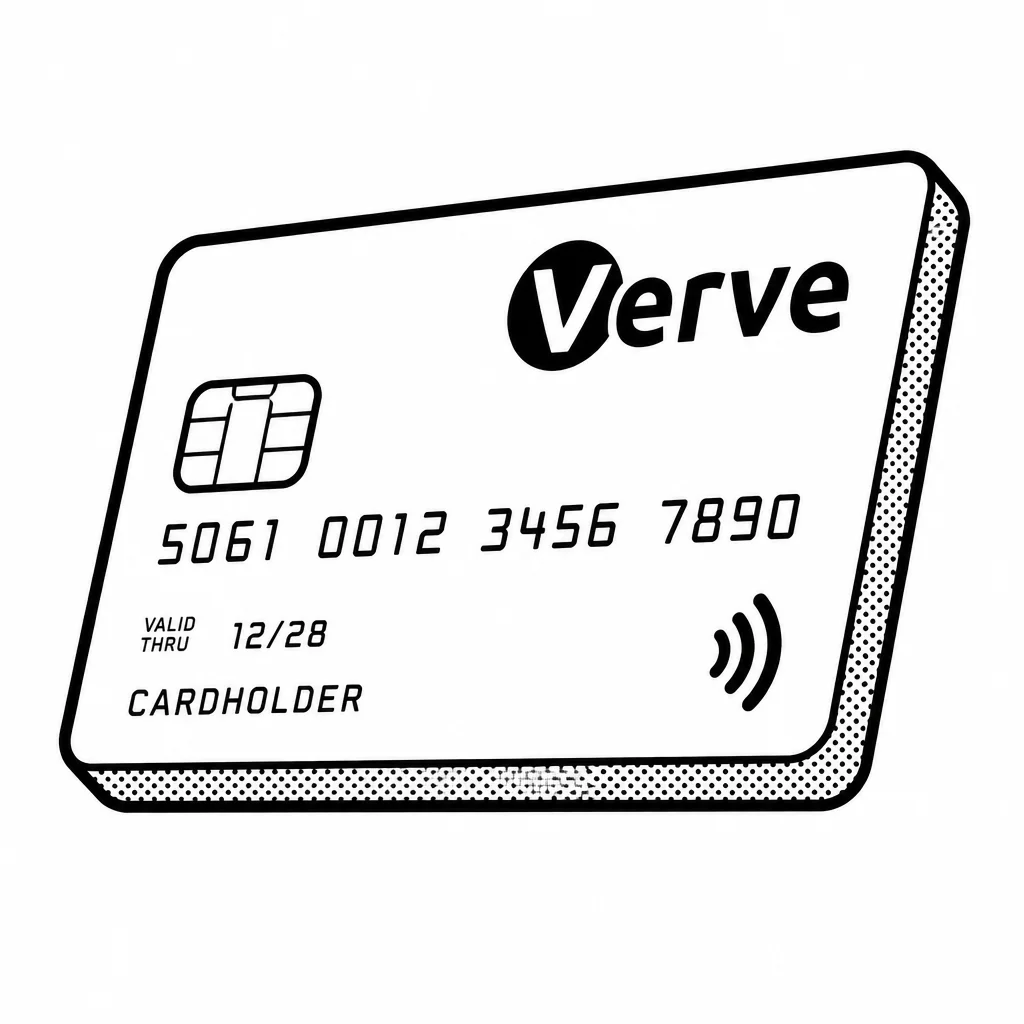
The company does more than just switch payments. It runs Verve, one of Africa's homegrown card brands, so local banks can issue cards that don't depend on foreign networks like Visa or Mastercard. It also provides the payment terminals that merchants use, the software banks run on, and lending and bill-payment services for consumers and businesses. That spread across infrastructure and its own card brand is what makes it hard to replace: a new entrant has to win over both the banks and the merchants at the same time. Interswitch's story is a classic African tech tale. It was founded in 2002 by Mitchell Elegbe, an engineer who saw that Nigerian banks were each building their own separate ATM networks and losing money on cash handling. He pitched a shared switch that would connect them all, and it grew into the backbone of the country's electronic payments. A major turning point came in 2019, when Visa bought a minority stake that reportedly valued the company at around a billion dollars, making it one of Africa's rare "unicorns" and a symbol of the continent's fintech ambitions.
The business faces real pressure. It competes with nimble fintechs like Paystack-owner Block and a wave of mobile-money and wallet startups, plus global card networks that want more of the action. Nigeria's cash shortages and push toward digital payments have helped volumes grow, but the company is still private and has talked about eventually listing on a stock exchange. For now it makes money the same way a toll road does — by owning the road almost everyone has to drive on, and charging a little for every trip.
Saved answer · last researched 10 Nov 2026