Understand any stock in simple English
Enter a ticker to learn what the company does and how it makes money.
Grupo Jumex, S.A. de C.V.
Jumex makes and sells fruit juices, nectars, and other drinks, and it is Mexico's biggest juice company.
Jumex is Mexico's biggest maker of juices and nectars, the cartons and bottles of mango, apple, peach, and guava drink that show up on Mexican breakfast tables, in school lunchboxes, and in corner stores. It sells mostly to ordinary households through supermarkets, small shops, and convenience stores, and it also supplies big restaurant and food-service chains. The company is privately held, still controlled by the founding family, and it is not listed on any stock exchange.
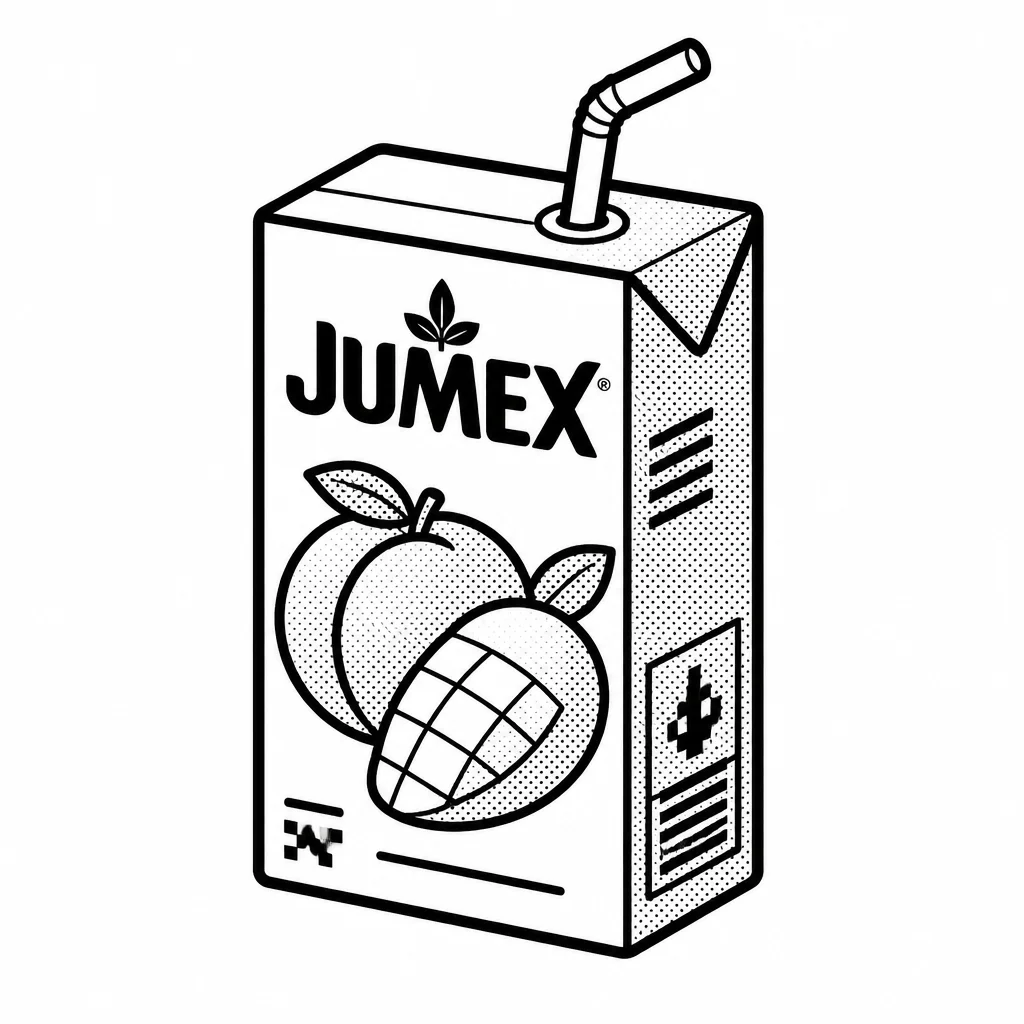
Its core product is the nectar — a fruit drink that is cheaper and sweeter than pure juice, stretched with water and sugar so it can be sold at a low price. That is the key to the business: Jumex built a mass market by making fruit drinks affordable for working families, not by selling premium squeezed juice. It runs its own orchards and processing plants and buys fruit from Mexican farmers, which gives it control over supply and cost. Competitors include Coca-Cola's juice brands and other beverage giants, but Jumex's grip on the everyday Mexican juice shelf is strong. The company's history has a famous twist. It started in the 1960s when a group of Mexican businessmen began canning fruit, and the business grew into a juice powerhouse based near Mexico City. In the 2000s it became known internationally for a legal fight with Coca-Cola's bottler over the "Jumex" name and for a brief, odd feud with the artist known as Banksy, whose street art used the Jumex logo. The family also owns a major contemporary art collection, the Jumex Museum in Mexico City, funded by the juice fortune.
Jumex's money comes from selling huge volumes of cheap drinks at thin margins, which means it lives or dies on distribution and brand trust. It has expanded into energy drinks and other categories and exports to the United States and other countries, leaning on the large Mexican and Latino population abroad. The business is steady rather than glamorous, but it is a fortress in its home market, and the family has kept it private, so there is no stock for outsiders to buy.
Saved answer · last researched 10 Nov 2026