Understand any stock in simple English
Enter a ticker to learn what the company does and how it makes money.
Fomento Económico Mexicano, S.A.B. de C.V.
FEMSA runs the world's biggest Coca-Cola bottler and Latin America's largest convenience store chain, plus drugstores and other retail businesses.
FEMSA is the company behind two everyday habits across Latin America: grabbing a Coke product and popping into an OXXO corner store. It is the world's largest bottler of Coca-Cola products, filling cans and bottles for Coca-Cola in Mexico, Brazil, and other markets. And it runs OXXO, the sprawling convenience store chain that is basically Mexico's version of 7-Eleven, with tens of thousands of small shops on street corners everywhere.
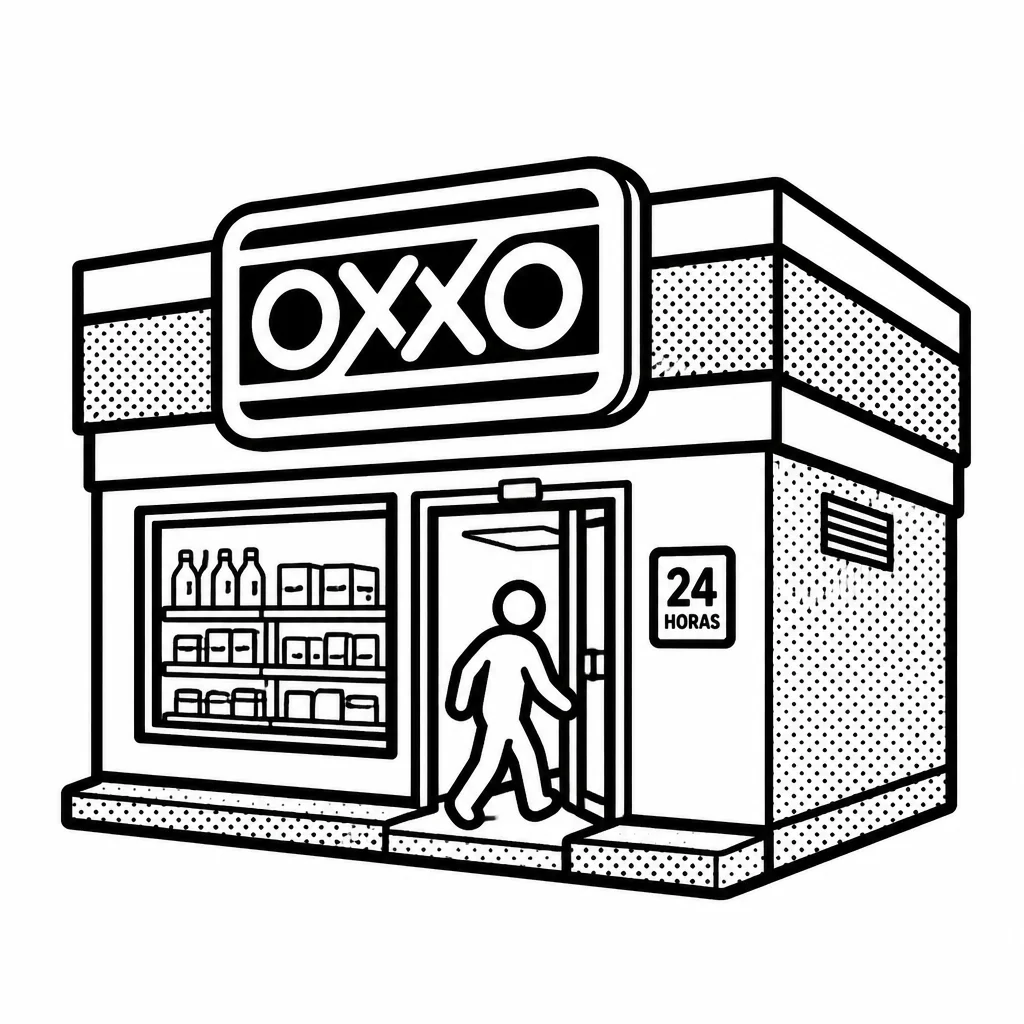
The bottling business works like this: Coca-Cola makes the syrup and owns the brand, while FEMSA owns the factories, trucks, and coolers that turn syrup into finished drinks and deliver them to shops. Every time someone buys a Coke in one of its territories, FEMSA earns a slice. That business is steady but capital-hungry, since it needs plants, trucks, and fridges everywhere. OXXO is the growth engine and the crown jewel — it earns money on razor-thin retail margins, but the sheer volume of small purchases and its huge footprint make it enormously valuable. Many OXXOs also sell financial services like money transfers and bill payments, which pull in extra fees. Beyond those two pillars, FEMSA owns drugstore chains and gas stations, and it holds a stake in a digital payments business called Spin. It also owns a big piece of the Dutch coffee company JDE Peet's, a stake it has been trimming to focus on its core business. That focus has been the story lately: FEMSA has been selling off peripheral assets, buying back shares, and pushing OXXO to keep expanding.
The business has real vulnerabilities. OXXO's stores compete with informal street vendors and rivals like 7-Eleven, and its margins are thin, so small cost swings matter. The bottling arm depends heavily on its relationship with Coca-Cola, which sets the rules. And FEMSA is exposed to Mexico's economy and the peso, plus the constant logistical headache of stocking thousands of tiny stores in a country with plenty of rough roads. It is a giant, but a giant built on small transactions repeated billions of times.
Saved answer · last researched 14 Nov 2026