Understand any stock in simple English
Enter a ticker to learn what the company does and how it makes money.
Dream Games Teknoloji Anonim Şirketi
Dream Games makes free-to-play mobile puzzle games, led by Royal Match, and earns money when players buy in-game boosts and extra lives.
Dream Games is a mobile game maker best known for Royal Match, a match-three puzzle game you play by swapping colorful pieces to clear the board and rescue a cartoon king. The company has a tiny catalog: Royal Match and its sequel, Royal Kingdom. Both are free to download, and they make money through small in-app purchases, mostly extra moves, boosters, and lives when a player gets stuck.
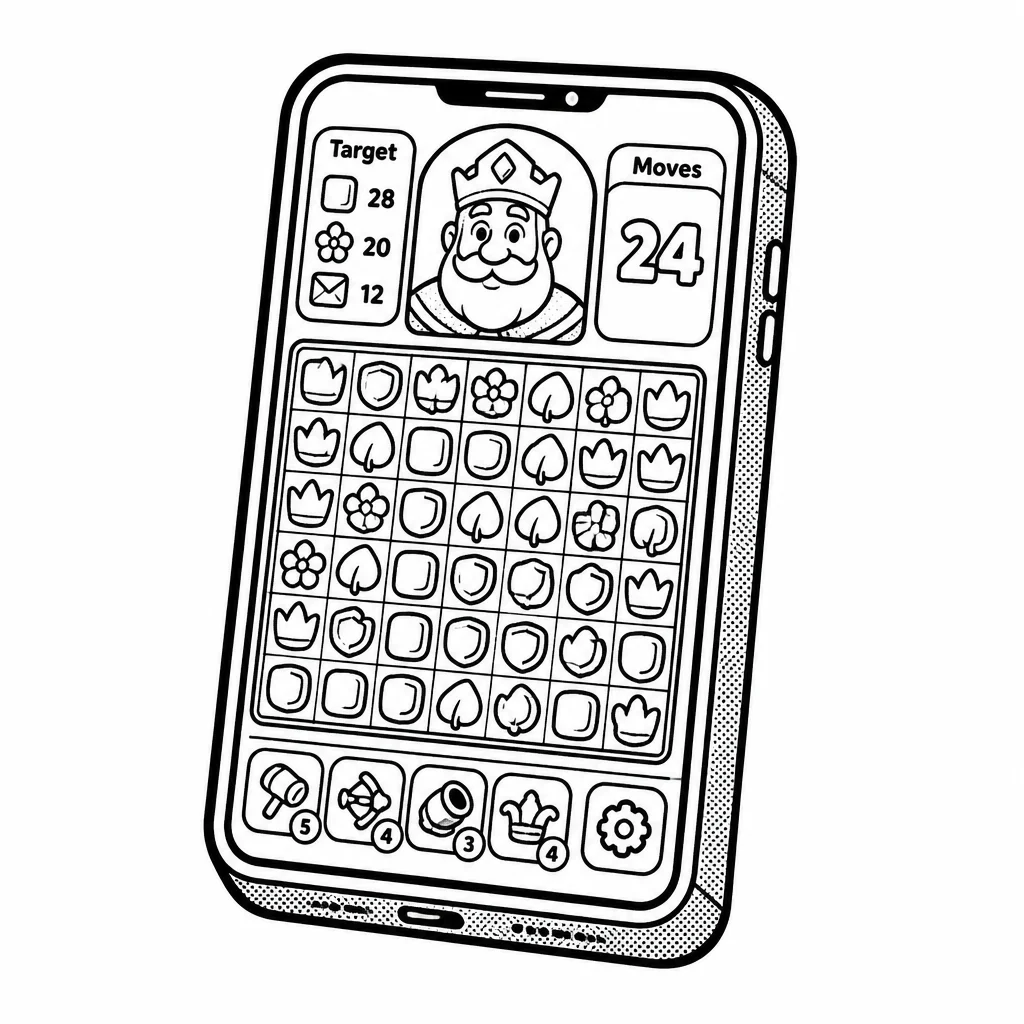
The business model is simple. Almost everyone plays for free. A small slice of players gets impatient or invested enough to pay a few dollars for help, and that slice, multiplied across tens of millions of players, adds up fast. The top of the funnel is cheap because the game spreads by word of mouth and app-store visibility, and the cost of serving an extra player is tiny. That is the classic mobile-game engine, and Royal Match has been one of the best-performing examples of it. Dream Games is private, based in Istanbul, and was founded in 2019 by five former employees of Peak Games, the Turkish studio that Zynga bought in 2020. Its rise was fast: less than four years after launch, Royal Match became one of the highest-grossing mobile games in the world, rivaling much older titles. That growth attracted outside money, and the company's valuation climbed into the billions, making it one of Turkey's most valuable private tech companies. Its main competitors are other casual puzzle giants from Playtika and Take-Two Interactive, which owns the matching genre's incumbent via its Zynga unit.
The risk is concentration. Dream Games depends heavily on one game and one genre, and mobile gaming is a hits business where player attention can shift quickly. It is also exposed to the tolls charged by Apple and Google, which take a cut of every in-app purchase and can change their rules. But for now, the formula is working: a small team, a simple game, and millions of players happily paying a little to keep playing.
Saved answer · last researched 10 Nov 2026