Understand any stock in simple English
Enter a ticker to learn what the company does and how it makes money.
Bose Corporation
Bose designs and sells high-end audio gear like headphones, earbuds, and speakers, plus noise-cancelling technology that it pioneered for pilots and now sells to everyday listeners.
Bose is an audio company that makes headphones, earbuds, and speakers. You've probably seen its name in an airport, in a car, or on a friend's ears — those big over-ear headphones with the little "B" on the side. The company built its reputation on one specific trick: making loud things quiet. Its noise-cancelling headphones, first developed for pilots in noisy cockpits, are still the core of the brand and the reason many people pay up rather than buy cheaper alternatives.
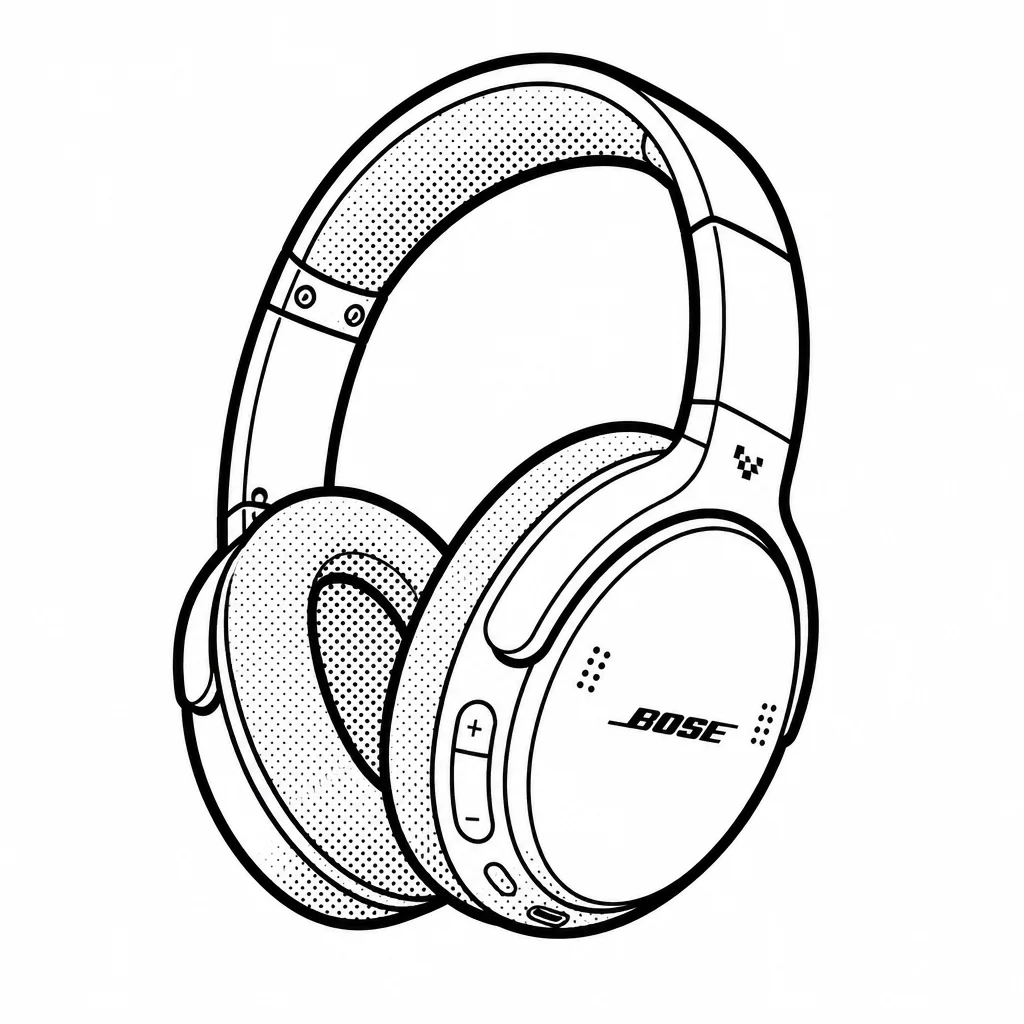
Here's how the business actually works. Bose designs the hardware and software itself, then sells finished products through its own stores, its website, and major retailers like Best Buy and Amazon. It keeps tight control over the design and the retail experience, which lets it charge premium prices — a pair of its best headphones can cost several hundred dollars. The money comes from selling a lot of those products at a healthy margin, not from subscriptions or advertising. The pitch to customers is simple: put these on and the world gets quieter, and the sound stays surprisingly good. Competitors like Apple, Sony, and Samsung fight for the same ears, often with similar features and lower prices, so Bose leans on its noise-cancelling reputation and its retail presence to defend its premium spot. Bose is a private company, still owned largely by the family of its founder, Amar Bose, the MIT engineer who started it in 1964. That ownership structure matters: there's no stock price to please, no quarterly earnings call, and no pressure to chase short-term sales. The company can pour money into long research projects — like its years-long effort to build a car suspension system that smooths out bumps — even when the payoff is uncertain. That independence is both a strength and a vulnerability. It lets Bose take big swings, but it also means the company funds those swings from its own profits.
Bose's biggest recent push is in hearables and smart audio — earbuds that do more than play music, plus speakers and soundbars for the home. The company also sells to automakers, putting its audio systems into car cabins, which gives it a steady business-to-business stream alongside its consumer products. It doesn't disclose detailed financials, so the outside world mostly reads its health through product launches and market share in the crowded headphone aisle. Bose remains a case study in a simple idea: build one thing better than everyone else, charge a premium for it, and stay private long enough to keep reinvesting in the next version.
Saved answer · last researched 4 Nov 2026
BIG PICTURE
Bose takes about 17% of headphone revenue on Amazon, more than Sony, Beats or Apple
- 17% Bose
- 14% Sony
- 14% Beats
- 10% Apple
- 45% Others
On Amazon, the biggest headphone seller by unit volume is a brand most people have never heard of. Count the money instead and the picture flips: Bose brings in roughly 17% of headphone revenue there, ahead of Sony and Beats at about 14% each and Apple at 10%. Bose sells fewer pairs, but its noise-cancelling headphones cost more, and that premium is where the company makes its money. Source: Medium (Dented Feels), data from 2026
Timeline
Amar Bose Starts the Company
Amar Bose earned a PhD in electrical engineering at MIT, then bought a high-end stereo and hated how it sounded. So he started studying acoustics in his spare time. In 1964 he formally launched Bose Corporation: by day he and two employees built power regulation systems for the military and government, and by night he worked on speakers. Research and innovation sat at the center from the start.
The 901 Speaker Finds the Market
Bose's first consumer product, the 2201 speaker, was ahead of its time but a commercial flop — fewer than 50 were made, all by hand. Then came the 901 Direct/Reflecting speaker, which mixed direct and reflected sound to get closer to live music. It won praise and sold well right away, and showed the company how to pair research with what customers actually wanted.
Noise Cancelling Takes Flight
Bose gave an early active noise-cancelling headphone prototype to pilots Dick Rutan and Jeana Yeager, who used it on a record-breaking nonstop flight around the world. The flight proved the tech worked in extreme real-world conditions — and laid the groundwork for what came later.
QuietComfort Changes Flying
The QuietComfort noise-cancelling headphones arrived and cut noise dramatically, permanently changing how passengers listened on planes. Bose became the leader in noise-cancelling headphones, and the QuietComfort line went on to sell around the world.
Bose Gives MIT the Shares
Bose donated most of his company's non-voting shares to MIT, with the dividends funding education and research there. The company stayed private and independent, and that structure let Bose keep investing in research for the long run without shareholder pressure.
Lila Snyder Takes Over
Lila Snyder became Bose's first female CEO and began a period of serious reform and transformation. Soon after she took over, big AI models exploded worldwide, giving Bose a new backdrop for figuring out where it fit.
Bose Enters Hearing Aids
Bose launched FDA-cleared self-fitting hearing enhancement technology, and with hearX brought out Lexie hearing aids. It was the company's first move toward consumers with mild to moderate hearing loss, stretching its audio tech into accessible hearing.
Bose Buys McIntosh and Sonus faber
Bose acquired two top high-end audio brands: McIntosh, 75 years old, and Sonus faber, 40 years old, moving into luxury audio. The company went from a single brand to a multi-brand lineup, with a separate luxury audio division to protect what makes each brand special.
Bose Acquires StreamUnlimited
Bose bought Vienna-based StreamUnlimited Engineering, which supplies streaming software platforms, hardware modules and certification. The deal gave Bose's Audio Technology business a key path to embed audio tech into a wider range of streaming and connected systems.
Bose Buys Skullcandy
Bose acquired lifestyle audio brand Skullcandy from funds managed by Mill Road Capital, building on years of Sound by Bose tech collaboration. Skullcandy stays an independent brand inside Bose's premium consumer audio business, helping Bose reach younger crowds in skate, music, gaming and fitness. It marked the shift from a single hardware company to a multi-brand product and technology company.