Understand any stock in simple English
Enter a ticker to learn what the company does and how it makes money.
Boehringer Ingelheim GmbH
Boehringer Ingelheim is a family-owned pharmaceutical company that discovers, develops, and sells medicines for people and animals.
Boehringer Ingelheim is one of the world's largest private drugmakers, and it makes money in two big ways: human medicines and animal health. On the human side, it sells prescription drugs for conditions like diabetes, heart failure, asthma, and serious lung disease, plus cancer treatments. On the animal side, it sells vaccines, medicines, and parasite protection for pets and farm animals. It is headquartered in Ingelheim, a small town in western Germany, and being family-owned means it answers to the founding family rather than to stock market investors.
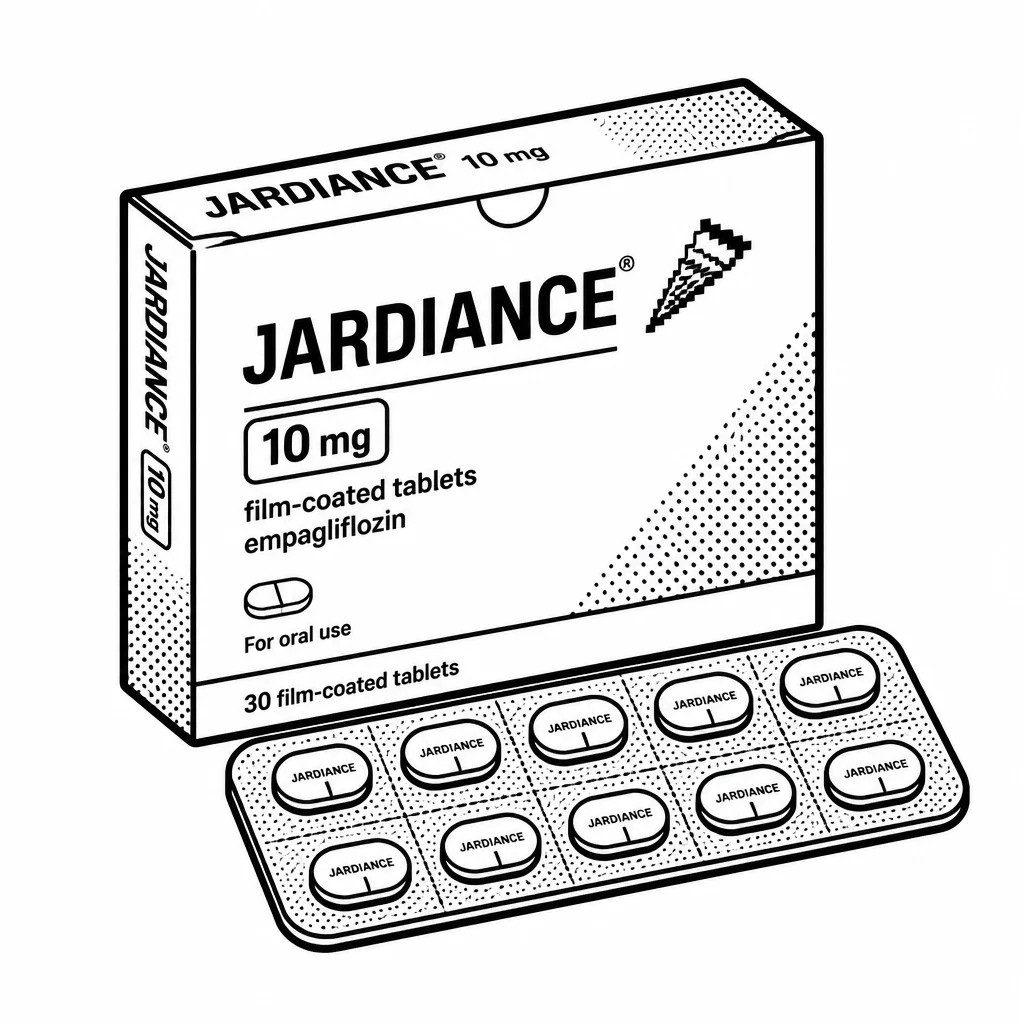
The human pharma business is the bigger engine. Its best-known drugs include Jardiance, a diabetes pill that also protects the heart and kidneys and is sold with Eli Lilly, and Ofev, a treatment for a scarring lung disease. It also sells a large family of inhaler medicines for asthma and COPD, a legacy built over decades. Newer products include cancer drugs and a fast-growing obesity and metabolic pipeline, an area where competition with Novo Nordisk and Eli Lilly is fierce. Animal health, run under the Boehringer Ingelheim Animal Health brand, is one of the largest veterinary businesses in the world, selling things like the flea and tick treatment Frontline and vaccines for livestock. What makes the company unusual is its ownership. Founded in 1885, it has stayed in the hands of the von Baumbach family for generations, which lets it take long-term bets without worrying about quarterly earnings. It spends heavily on research and development, and it has made big acquisitions to grow, especially in animal health, where it bought the animal health unit of Sanofi in 2017 for roughly €11 billion. It also invests in contract manufacturing, making medicines for other companies, which brings in steady revenue. The business is not without risk. Drug patents expire, and when they do, cheap generics can wipe out revenue overnight. Its inhaler franchise faces pressure from generic competitors in some markets, and it has had pipeline setbacks, including disappointing results in some cancer programs. It also faces the same pricing pressure as every drugmaker, especially in the United States, where insurers and the government push back on costs. Still, a broad mix of human and animal products, a strong balance sheet, and no shareholder pressure give it room to absorb bad news and keep investing.
Boehringer Ingelheim does not pay a public dividend because there are no public shares, so its profits mostly get plowed back into research, manufacturing, and acquisitions. In recent years it has pushed into obesity and metabolic disease, striking deals to compete in the crowded weight-loss market, and it continues to expand its animal health and biopharma contract manufacturing arms. It is a quiet giant: few people outside medicine know the name, but its pills and vaccines reach millions of people and animals every day.
Saved answer · last researched 10 Nov 2026