Understand any stock in simple English
Enter a ticker to learn what the company does and how it makes money.
Lonza Group AG
Lonza makes medicines and drug ingredients for other pharmaceutical and biotech companies that don't want to build their own factories.
Lonza is a contract manufacturer for the drug industry. When a biotech startup invents a promising molecule or a big drugmaker needs more production capacity, they often hand the recipe to Lonza, which runs the factories, hires the scientists, and handles the messy chemistry of turning a lab experiment into millions of doses. It is the quiet backstage crew of the pharmaceutical world: it does not own most of the drugs it makes and does not market them, but it gets paid to manufacture them reliably and to exacting regulatory standards.
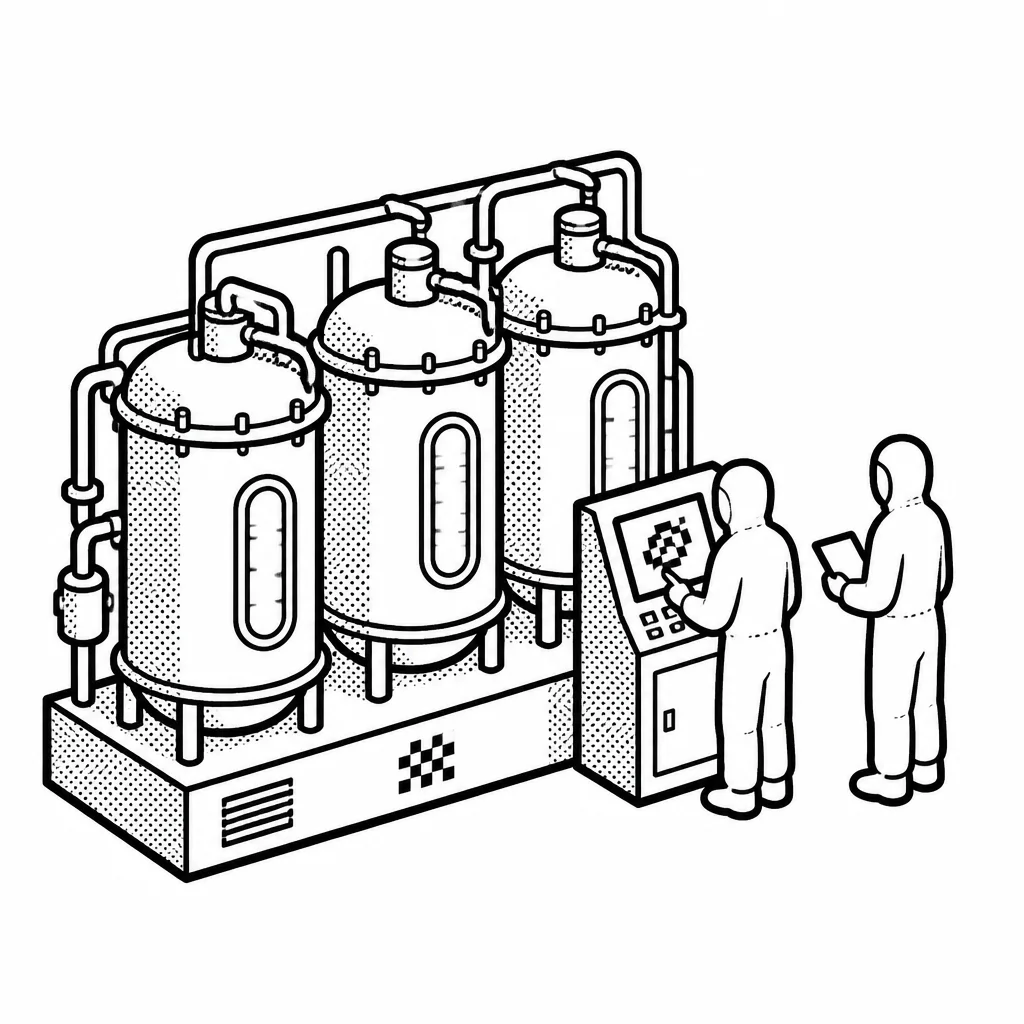
The business splits into a few main pieces. Biologics is the biggest — growing living cells in huge stainless-steel tanks to produce complex protein drugs like antibodies, a job that requires enormous capital and years of regulatory approval, which is exactly why customers outsource it. Small molecules covers classic chemical drug manufacturing and ingredients. Cell and gene therapy is the newer, riskier frontier, making treatments from modified cells or viruses. Lonza also sells research tools and specialty ingredients, though it has been trimming that side. Customers pay per batch or per project, often under multi-year contracts, and they stick around because switching a manufacturing site for an approved drug means re-validating everything with regulators — a costly, slow headache. The appeal of Lonza is capacity and know-how you cannot buy overnight. Building a biologic plant costs hundreds of millions and takes years; Lonza already has the sites, the permits, and the trained staff. That gives it pricing power and sticky relationships with the world's biggest drugmakers and hundreds of smaller biotechs. The flip side is that it is a capital-hungry business with lumpy demand. When biotech funding dries up, as it did after 2021, smaller customers cut projects and orders slow. Lonza has also had execution stumbles, and it shook up its leadership and portfolio in recent years, selling off its specialty ingredients unit to focus on the higher-margin drug work.
Headquartered in Basel, Switzerland, Lonza competes with other big contract manufacturers like Thermo Fisher Scientific, Catalent, and Samsung Biologics, plus the in-house factories of the drugmakers themselves. Its edge is scale in biologics and a long regulatory track record; its vulnerability is that it is only as busy as its customers' pipelines. The company spends heavily on new plants and capacity, pays a dividend, and has bought back shares — wagers that the world will keep needing more complex medicines made by someone else. For investors, Lonza is essentially a bet on global drug spending and on the outsourcing trend, with all the factory-floor risk that comes with it.
Saved answer · last researched 14 Nov 2026