Understand any stock in simple English
Enter a ticker to learn what the company does and how it makes money.
Wilmar International Limited
Wilmar processes palm and other edible oils and turns them into food, animal feed, and farm products sold around the world.
Wilmar International is one of the biggest food and farming companies most people have never heard of. It buys palm oil, lauric oils (like coconut and palm kernel oil), and other farm crops, then processes and trades them into things that end up in supermarket shelves, restaurant kitchens, and animal feed. It also mills rice, makes flour and noodles, and sells consumer cooking oils.
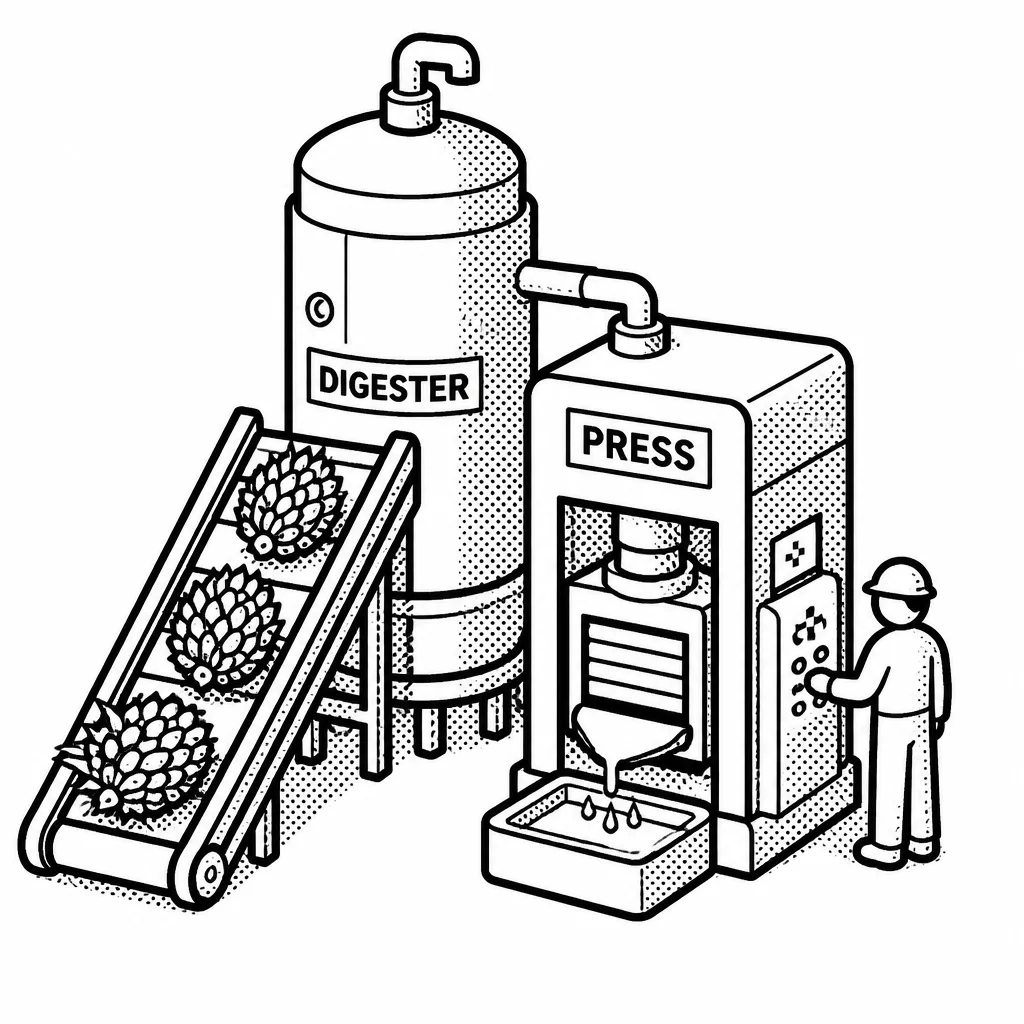
The heart of the business is palm oil. Wilmar owns plantations and mills in Indonesia and other tropical places, and it trades the oil across the world. Palm oil is in roughly half of the packaged products in a supermarket — biscuits, soap, chocolate, instant noodles — so Wilmar sits in the middle of a very large, steady market. The company also runs a big agricultural trading arm that moves grains and oilseeds between countries. On top of that, it has a consumer foods division that sells packaged oils, rice, and noodles to households in China, India, and Southeast Asia, and a smaller tropical-products arm selling sugar and tropical oils. What makes Wilmar strong is its size and reach: it can buy crops cheaply, move them across borders, process them, and sell them at many points along the chain. It is a joint venture partner with Adani Enterprises, running Adani Wilmar, a big Indian cooking-oil and food business. Its closest comparison points are trading and agribusiness giants like Archer-Daniels-Midland and Bunge Global, though Wilmar leans more on palm. One vulnerability is that palm oil has been surrounded by environmental and labor concerns, which has pushed Wilmar to adopt no-deforestation policies. The company had revenue of roughly US$67 billion in 2023, a sprawling business where tiny margins multiply across enormous volume.
Wilmar uses its cash to pay dividends, reduce debt, and invest in its processing and consumer food operations. It is a classic "small slice of an enormous pie" business — low margins, huge volumes, and a global web of ships, warehouses, and refineries that keep food moving.
Saved answer · last researched 12 Nov 2026