Understand any stock in simple English
Enter a ticker to learn what the company does and how it makes money.
Benchmark Capital Advisors LLC
Benchmark Capital Advisors is a registered investment advisory firm that manages money and builds investment portfolios for clients.
Benchmark Capital Advisors is a registered investment advisory firm — a money manager that builds and runs investment portfolios for people and organizations that would rather hand off the investing to a professional. Clients pay the firm a fee, usually a small slice of the assets it manages, and in exchange they get a team that decides what to buy, how much to hold, and when to adjust.
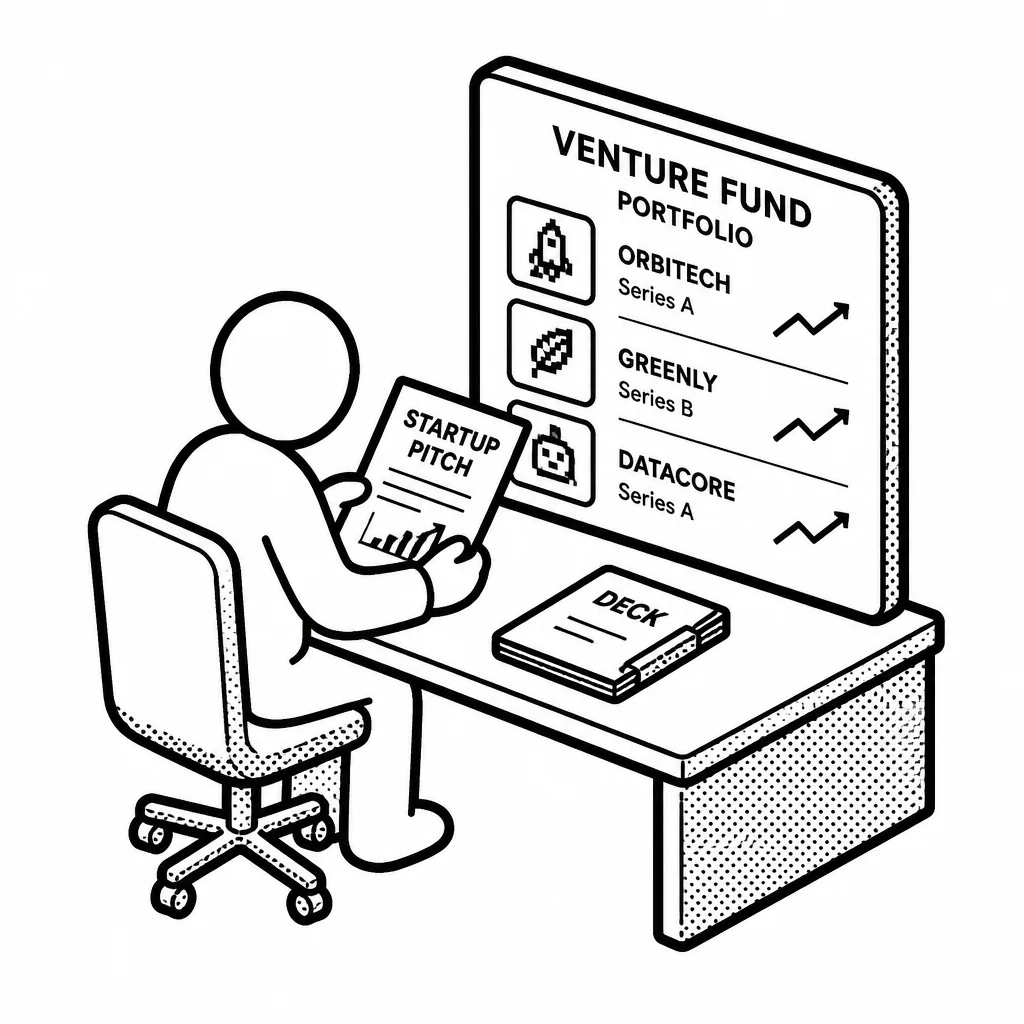
The firm is based in the United States and operates as an independent advisor, meaning it isn't owned by a big bank or brokerage and earns its money from advisory fees rather than from selling products or commissions. That matters because fee-only advisors generally have fewer incentives to push expensive or unnecessary products; their pay rises mainly when a client's portfolio grows. The core business is straightforward: gather assets, invest them sensibly, and keep clients comfortable enough to stay and add more money over time. Revenue grows in two ways — winning new clients and benefiting when existing portfolios rise in value, since fees are tied to assets under management. The danger is the flip side: when markets fall, fee revenue falls with them, and the firm must compete for clients against giant asset managers and low-cost index funds that charge a fraction of what a full-service advisor does.
For a firm like this, reputation and personal relationships are the real moat. Bigger players like BlackRock and Vanguard can offer cheap, automated portfolios, so an independent advisor survives by offering judgment, planning, and a human being who answers the phone. Size and scale stay modest, and the firm's fortunes rise and fall with the markets it invests in.
Saved answer · last researched 9 Nov 2026
Timeline
Five Partners Start Benchmark
In 1995, five venture investors got together with a bold goal: become the number one venture firm in Silicon Valley within ten years. That ambition gave the firm its name, Benchmark. They built it as an equal partnership, where the founders shared power and profits evenly instead of one person running the show, and they raised $85 million for their first fund.
The eBay Bet
A couple of years in, Benchmark put $6.7 million into an online marketplace called eBay for about a fifth of the company. When eBay went public and its stock soared, that small bet grew into a stake worth billions. The first fund ended up returning 92 times the money invested, turning $85 million into $7.8 billion. One deal had made the young firm famous.
The Dot-Com Crash
Then the dot-com bubble burst. Webvan, a grocery delivery startup Benchmark had backed early, went bankrupt, and other internet bets like Living.com and PlanetRx stumbled too. It looked bad, but because Benchmark had invested in stages rather than dumping money in all at once, it lost only its small initial stake in Webvan. The firm survived the crash that killed many of its peers.
An $11 Million Ride in Uber
A decade later, Benchmark wrote an $11 million check for about 20% of a small ride-hailing startup called Uber. It became one of the most famous and successful bets in the firm's history, the kind of win venture investors dream about.
The Uber Lawsuit
That same Uber investment turned complicated. Benchmark sued Uber's founder and CEO, Travis Kalanick, and the fight ended with him resigning. The whole mess dragged Uber's toxic internal culture and other problems into public view, and it became a major controversy for Benchmark itself, a rare black eye for a firm known for staying quiet.
Benchmark 1
Years later, the firm raised a $425 million eleventh fund, but it gave the fund a symbolic name: Benchmark 1. It was a nod to starting fresh, a sign the firm was rethinking how it wanted to operate.
Benchmark Goes Big
The rethink turned into a real change. Benchmark closed $2 billion across two funds, ending a two-decade tradition of raising modest $425 million funds. It also launched its first-ever growth fund, $1.25 billion for later-stage investments. The reason was simple: the biggest AI deals needed far more money, and the firm wanted to double down on its winners instead of watching from the sidelines.