Understand any stock in simple English
Enter a ticker to learn what the company does and how it makes money.
Yancoal Australia Ltd
Yancoal is an Australian coal miner that digs up thermal and metallurgical coal and sells it to power plants and steelmakers, mostly in Asia.
Yancoal is a coal mining company. It digs two kinds of coal out of the ground in Australia: thermal coal, which gets burned in power plants to make electricity, and metallurgical coal, which gets cooked into coke and used to make steel. Most of what it produces gets loaded onto ships and sent to customers across Asia, where fast-growing economies still need both electricity and steel.
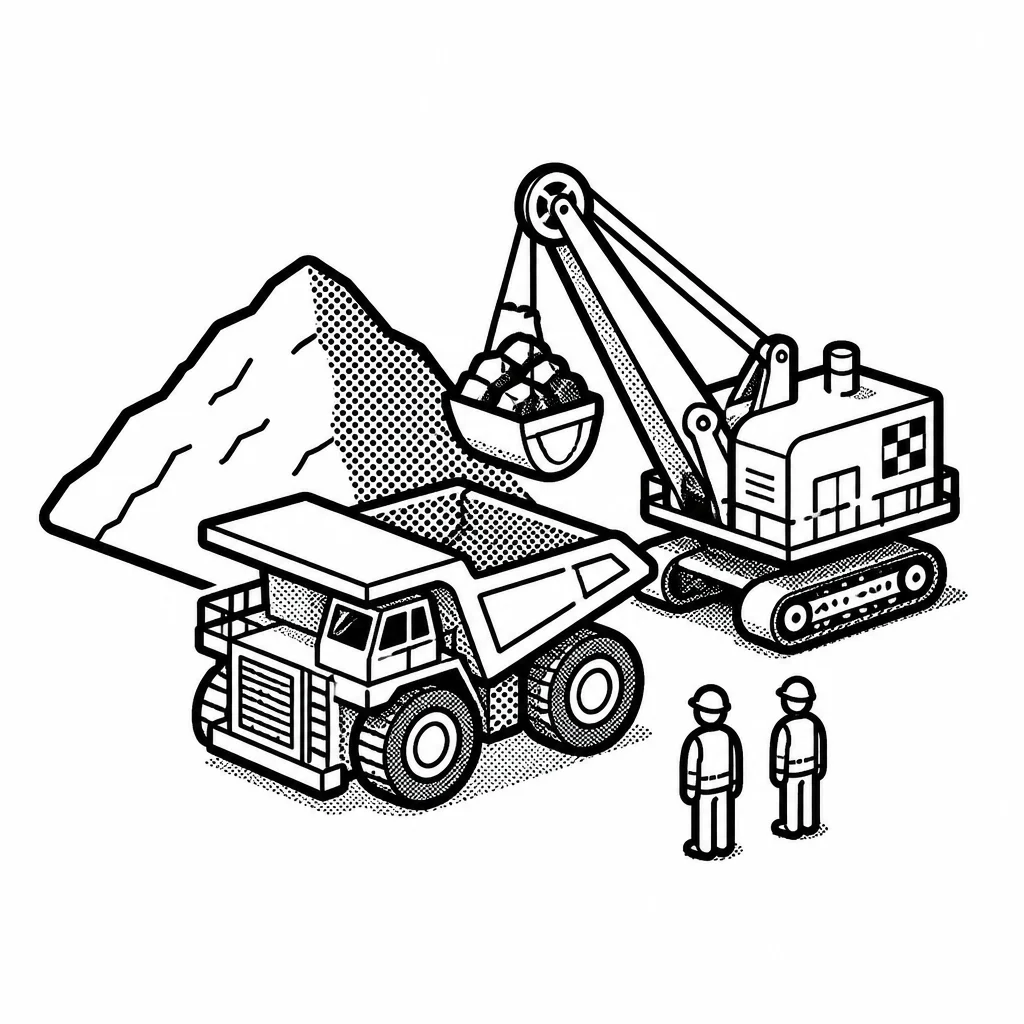
The business runs on a simple loop. Yancoal owns and operates a group of mines, mostly in New South Wales and Queensland — open-cut pits and underground operations that pull coal from the earth. It processes and washes that coal, hauls it to ports, and sells it under long-term contracts or on the spot market to utilities, steelmakers, and trading houses. The customers pay for the coal itself, and the price swings a lot with global supply and demand. That price swing is the whole story with a coal miner. When coal prices are high, Yancoal makes a mountain of cash; when they crash, profits can shrink fast. It is a price-taker, not a price-setter, so it has little control over what it gets paid. Its main advantages are low-cost mines, large reserves, and proximity to Asian buyers. Its main rivals are other Australian coal exporters like Whitehaven Coal and BHP, plus producers in Indonesia and elsewhere.
Yancoal is majority-owned by Chinese coal giant Yankuang Energy, which controls it through a major shareholding. That backing matters: it gives the company a deep-pocketed parent and a natural link to Chinese energy demand. Because the coal business throws off so much cash in good years, Yancoal has paid large dividends and bought back shares, returning money to shareholders rather than chasing expensive new mines. The catch is the long-term question hanging over all coal: the world is trying to burn less of it, which makes this a business generating cash today while its end market slowly shrinks.
Saved answer · last researched 12 Nov 2026