Understand any stock in simple English
Enter a ticker to learn what the company does and how it makes money.
WEG S.A.
WEG makes electric motors, generators, transformers, and factory automation equipment for industrial and energy customers around the world.
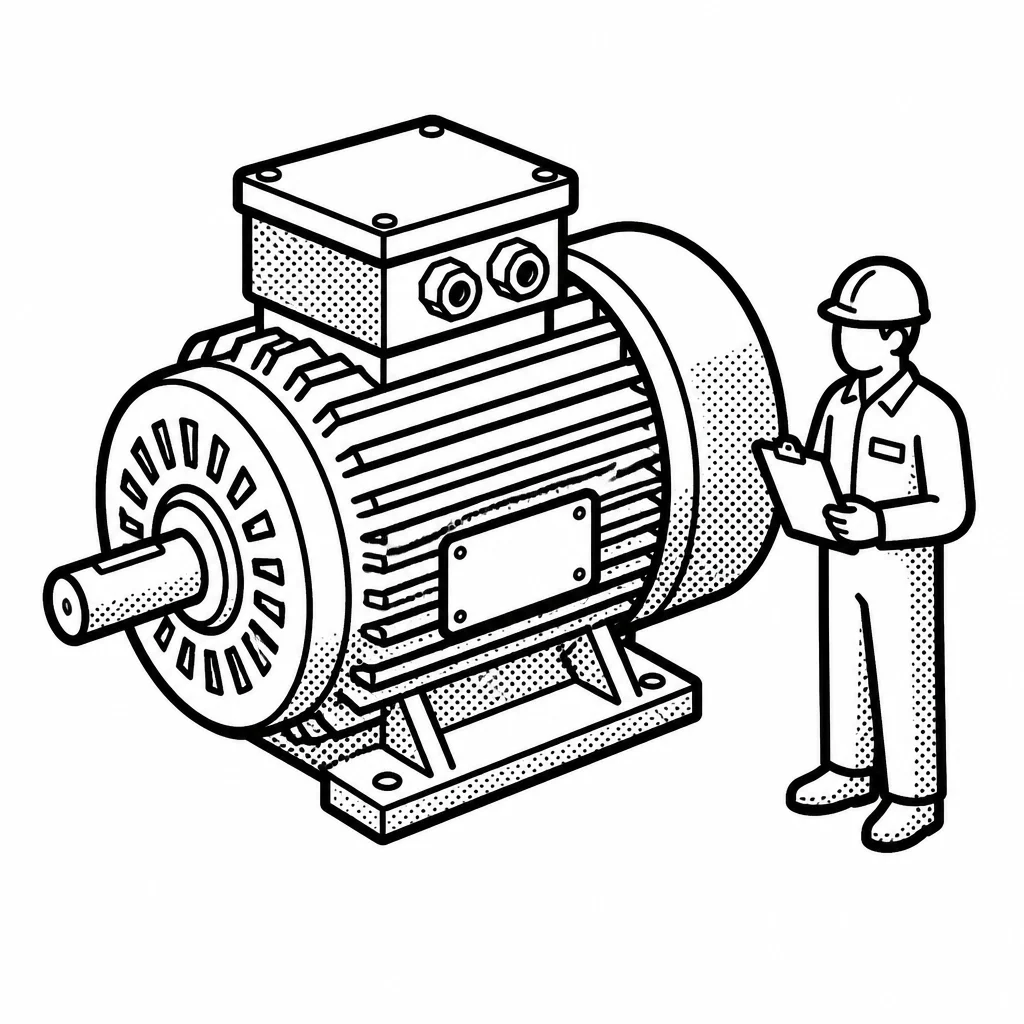
WEG is one of the world's biggest makers of electric motors — the machines that turn electricity into motion inside factories, pumps, fans, and just about anything with a spinning shaft. It also builds transformers and generators that help move and produce electricity, plus the automation gear and controls that keep industrial plants running. Its customers are mostly other businesses: factories, utilities, mining companies, and oil and gas operations that need reliable equipment working around the clock.
The company is Brazilian, based in the southern state of Santa Catarina, and it grew from a small motor workshop founded in 1961 into a global industrial supplier. Today a large share of its sales comes from outside Brazil, especially from North America and Europe, where it has expanded through factories and acquisitions. That geographic spread matters: when Brazil's economy stumbles, demand elsewhere can keep the business steady, and when one region slows, another can pick up. What makes WEG strong is a mix of cost control, vertical integration, and sheer breadth. It makes many of its own components in-house, which keeps costs down and quality tight, and it sells across a huge range of motor sizes and voltages rather than betting on one niche. That lets it serve a customer's small pump motor and its giant industrial drive alike. Its main rivals are global electrical giants like ABB, Siemens, and Schneider Electric, though WEG often competes on price and reliability rather than brand prestige.
The business throws off a lot of cash, and management has generally reinvested it in new factories and acquisitions to keep expanding abroad, while also paying a steady dividend. It is a cyclical, unglamorous industrial company, not a fast-moving tech story — sales rise and fall with how much factories and utilities are spending on equipment. But that steady, nuts-and-bolts demand is exactly why it has quietly become one of Brazil's most successful global exporters.
Saved answer · last researched 12 Nov 2026