Understand any stock in simple English
Enter a ticker to learn what the company does and how it makes money.
Webuild S.p.A.
Webuild is a big construction company that designs and builds large infrastructure projects like tunnels, bridges, dams, and water systems for governments and other clients around the world.
Webuild is a global construction company that builds the giant pieces of infrastructure most of us never stop to admire—high-speed rail lines, highway tunnels, bridges, dams, and water treatment plants. It works mainly for governments and public agencies that hire it to turn ambitious plans into concrete and steel, often on projects so large and complex that few firms can handle them.
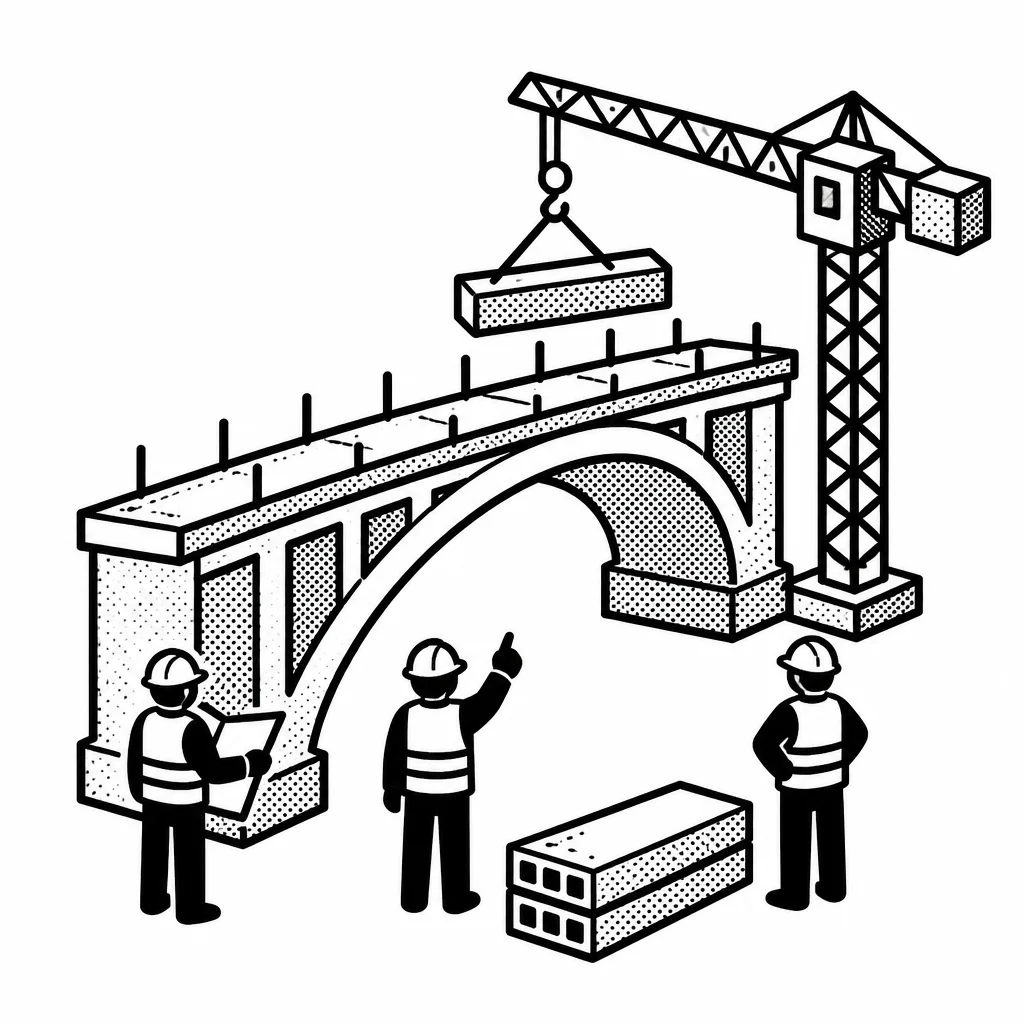
The business is project-based. Webuild signs contracts, usually won through competitive bids, then designs and constructs over several years, earning money as work progresses. Its edge comes from scale and specialized know-how: drilling tunnels through mountains, crossing valleys with bridges, building hydropower plants and dams. Its main risk is the same as its opportunity—these are long, fixed-price jobs where weather, geology, or cost overruns can squeeze profits. That is why project selection and risk management matter as much as engineering skill. Webuild is headquartered in Milan and traces its roots through Italy's historic construction groups, including the builders behind Milan's famous San Siro stadium. Today its most important market is its home country, where it is a lead contractor on major rail and highway projects, alongside work across Europe, the Middle East, and elsewhere. Publicly traded competitors that bid for similar mega-projects include Acciona, Vinci, and ACS, while privately held rival Salini Impregilo is actually part of Webuild itself after a merger and rebrand.
The company's outlook is tied to a genuinely strong tailwind: governments in Europe and the Middle East are pouring money into infrastructure, energy transition, and water. That gives Webuild a deep pipeline of work, but the business still lives and dies by execution—getting projects done on time and on budget. For a contractor, that is the whole ballgame: steady contract wins are nice, but cash flow from well-run jobs is what ultimately pays the bills.
Saved answer · last researched 12 Nov 2026