Understand any stock in simple English
Enter a ticker to learn what the company does and how it makes money.
Vulcan Infrastructure & Power, Inc.
Vulcan Infrastructure & Power runs bitcoin mining operations and generates power for the bitcoin ecosystem as well as for homes and businesses.
Vulcan Infrastructure & Power is a bitcoin miner that also sells electricity. It runs computers that crunch numbers to earn bitcoin, and separately it produces power that it can sell to homes and businesses. So it sits on both sides of the energy-to-bitcoin pipeline: it needs cheap, reliable electricity for mining, and it can turn that same power infrastructure into a product for other users.
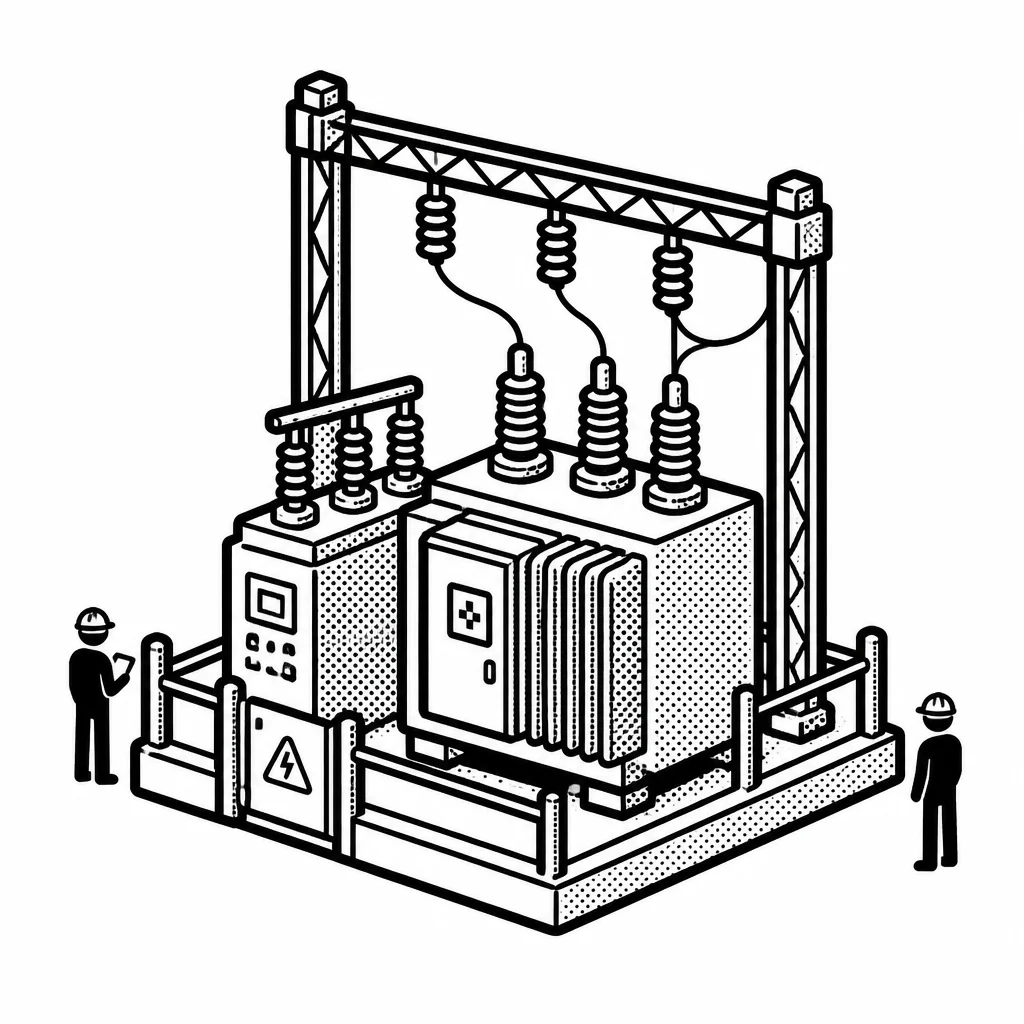
The mining business is the engine. Bitcoin mining is a simple race: computers guess at numbers, and the first to hit the right answer earns newly created bitcoin plus a share of transaction fees. The catch is that this race burns enormous amounts of electricity, so the winners are usually the operators with the cheapest power and the most efficient machines. Vulcan's pitch is that owning power generation gives it control over its biggest cost, which is the thing that makes or breaks a miner. Power generation is the second leg. Instead of just buying electricity from a utility, the company generates its own and can sell surplus power to homes and businesses. That can smooth out the wild swings in mining economics: when bitcoin prices are high, mine aggressively; when they are low, sell the power instead. It is a hedge built into the same assets.
The business is brutally cyclical and capital-hungry. Bitcoin mining rewards shrink over time by design, competition keeps squeezing margins, and the whole model depends on power costs and bitcoin's price. Vulcan's bet is that controlling generation keeps it on the right side of that math — but it is a bet, not a guarantee, and investors should treat it as a levered play on bitcoin and energy prices rather than a steady utility.
Saved answer · last researched 11 Nov 2026
Timeline
A Power Plant in Pittsford
Vulcan Infrastructure and Power began in 1937 as a small company in Pittsford, New York. Its most important asset became a power plant in Dresden, New York — a coal plant that was later converted to run on natural gas. That plant would matter far more to the company's future than anyone could have guessed.
Greenidge Lists on Nasdaq
In early 2021 the company was incorporated in Delaware and, later that year, listed on Nasdaq under the Greenidge name. Its pitch was simple and unusual: it owned the power plant, the data centers and the machines, all in one company. Most miners rented space and bought electricity; Greenidge made its own.
Jordan Kovler Takes Over
Jordan Kovler became CEO in 2023. He would later steer the company away from its mining past and toward power and digital infrastructure — a shift that, in time, would change the company's name and its whole reason for existing.
Fire at Dresden
An electrical switchgear failure and fire in late 2025 knocked the Dresden plant completely offline. The damage showed up fast in the numbers: revenue fell by roughly $9.5 million from a year earlier, and the net loss widened to nearly $10 million. The company's one big asset was also its one big weakness.
Greenidge Becomes Vulcan
In July 2026, Greenidge Generation Holdings changed its name to Vulcan Infrastructure and Power Inc. The ticker switched from GREE to VIP. The rebrand was more than a new sign on the door: it marked a deliberate move away from bitcoin mining and toward a power and digital infrastructure platform built for AI data centers.
Selling Power, Not Just Mining It
The new strategy rested on a simple bet: power is scarce, and AI needs enormous amounts of it. Vulcan pointed to about 104 megawatts of capacity already energized at its sites and a development pipeline of 654 megawatts, with over 100 megawatts of near-term opportunities in AI and high-performance computing. The pitch had flipped — the plant was now the product.
A $39 Million Investment
In September 2026, Machine Investment Group and Atlas Holdings led a $39.4 million strategic investment, joined by Conversant Capital and company insiders. Most of the money went straight to paying down debt — about $33.1 million of 8.50% senior notes due that October — which removed the near-term maturity hanging over the company. Investors were effectively betting on the power story, and the company used their cash to clear the deck.
The 2026 Notes Are Paid Off
On October 13, 2026, Vulcan finished redeeming all of its outstanding 8.50% senior notes, paying about $30.9 million including accrued interest. With the 2026 maturity gone, the CEO said the company could focus on its power and AI/HPC opportunities. The next job: sign customers for up to 104 megawatts of near-term capacity and push the 654-megawatt pipeline toward real AI/HPC deals.