Understand any stock in simple English
Enter a ticker to learn what the company does and how it makes money.
Core Scientific, Inc.
Core Scientific runs big data centers that power bitcoin mining and rent space to AI and high-performance computing customers.
Core Scientific is a landlord for very power-hungry computers. It builds and runs large data centers — warehouses full of machines that need enormous amounts of electricity and serious cooling — and it makes money two ways from them. One is mining bitcoin itself: its own machines run around the clock solving the math puzzles that earn new bitcoin. The other is renting space, power, and cooling to other companies that need to plug in their own heavy-duty computers.
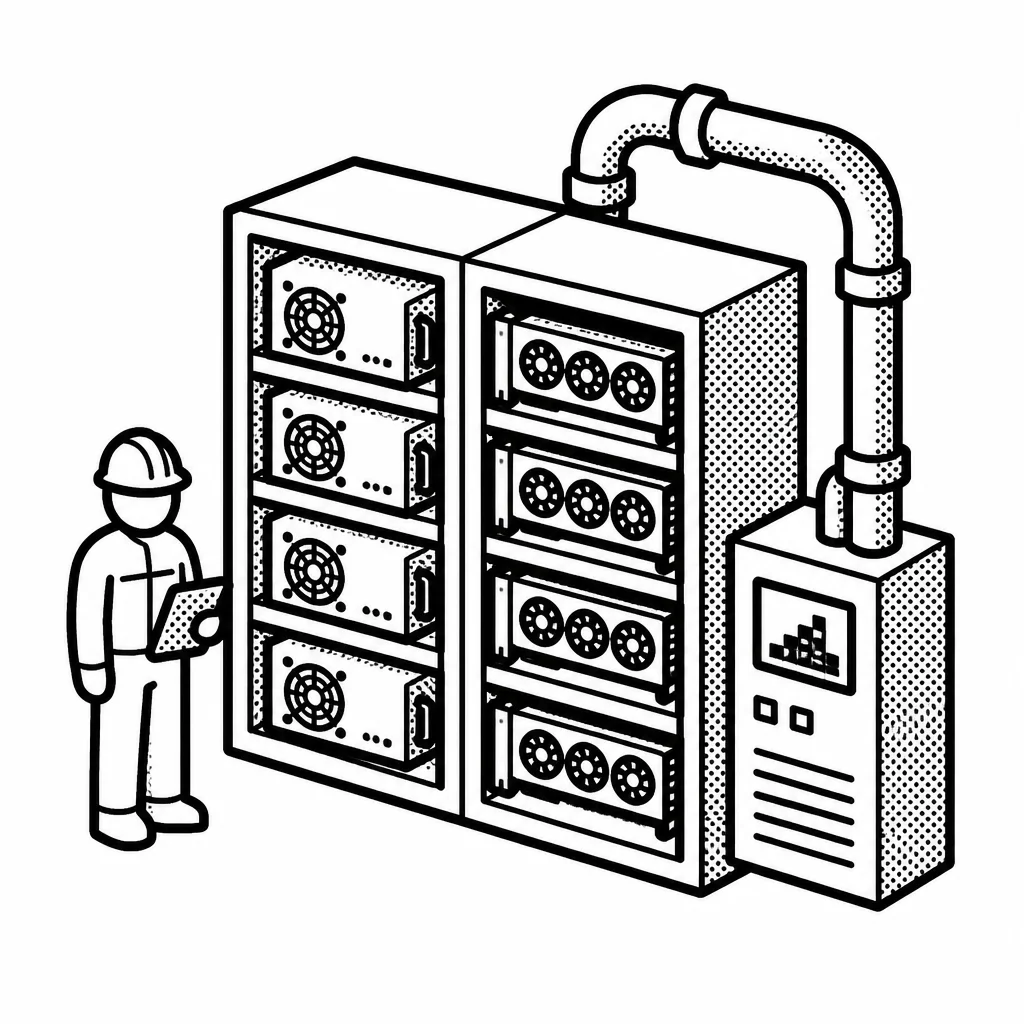
That second business is the one that has changed the story. Core Scientific was built as a bitcoin miner, and mining is a brutally cyclical business — profits swing wildly with the price of bitcoin and with how many other miners are competing for the same rewards. But the same infrastructure that suits bitcoin mining (cheap power contracts, big buildings, and the know-how to keep thousands of machines cool) also suits artificial intelligence. AI companies are desperate for data center capacity, and Core Scientific has been signing deals to host their chips, most notably a large contract with CoreWeave. That has turned it, at least partly, into an AI infrastructure landlord. The pitch to those customers is simple: building a data center that can handle high-density computing is slow and expensive, and power is hard to get. Core Scientific already has the sites, the electricity connections, and the operating crew. Customers pay for capacity, and the company keeps the lights on and the machines humming. Mining, meanwhile, still pays the bills but is the volatile piece — when bitcoin prices fall or the network gets more crowded, mining margins can shrink fast.
The company has lived through real turbulence. It went public in 2022 by merging with a special purpose acquisition company, then filed for Chapter 11 bankruptcy in late 2022 after bitcoin crashed and its debts overwhelmed it. It emerged from bankruptcy in early 2024, a leaner operation, just as the AI boom created a new market for its data centers — a remarkable turnaround from near-death to a sought-after landlord for AI compute. Its main competitive edge is speed and power: getting large amounts of electricity connected to a site takes years, and Core Scientific already has it. That same advantage is what competitors like other large miners-turned-hosters are chasing.
Saved answer · last researched 14 Nov 2026