Understand any stock in simple English
Enter a ticker to learn what the company does and how it makes money.
Vedanta Aluminium Metal Limited
Vedanta Aluminium makes and sells aluminium and alumina products — the metal and its raw material — for industries like aerospace, defence, transport and packaging.
Vedanta Aluminium is one of India's biggest aluminium makers, and it sells the metal in the forms factories actually want: ingots, alloys, billets and wire rods. Airlines and defence contractors buy it for parts, car and train makers buy it for lighter bodies, and packaging companies buy it to make cans. It also sells alumina, the white powder refined from bauxite ore that gets smelted into aluminium in the first place.
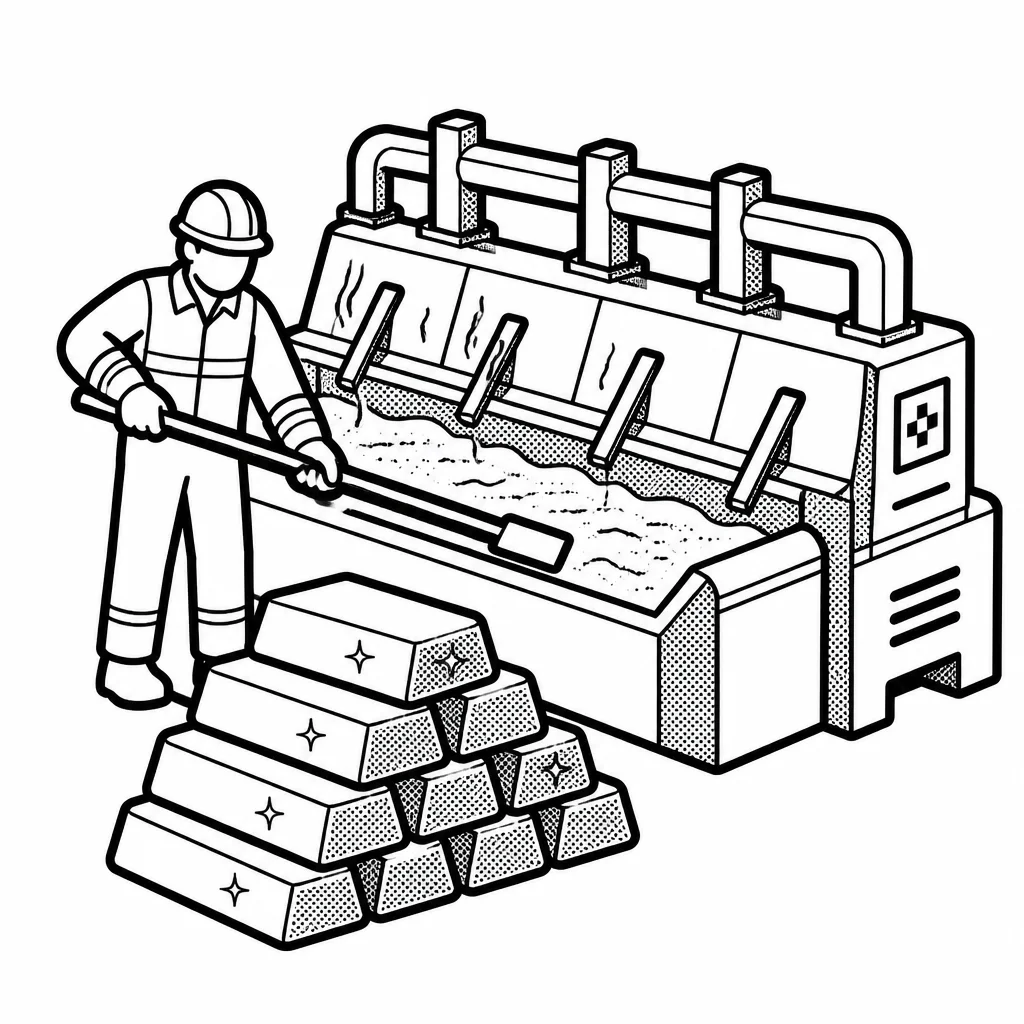
The business works because turning rock into metal is hard, slow and extremely power-hungry. Bauxite is mined, refined into alumina, then zapped with huge amounts of electricity to break it apart into pure aluminium — that is why aluminium smelters tend to sit near cheap power. Vedanta's edge comes from doing the whole chain itself, from bauxite mines and refineries to smelters, so it captures value at each step instead of paying someone else. Customers stick around because aluminium is a commodity — the metal is the metal — so they mostly care about reliable supply, consistent quality and price, and it helps to be one of the few large domestic producers in a country that keeps needing more metal. The company sits inside the Vedanta group, the sprawling Indian resources empire built by Anil Agarwal, and it is now separately listed on the National Stock Exchange of India. Aluminium demand is tied to things like construction, electricity grids, electric vehicles and packaging, and the metal's lightness and recyclability give it a long-run tailwind. But it is a cyclical, capital-hungry business: profits swing with global aluminium prices, power and raw-material costs, and the value of the Indian rupee. It is also exposed to government policy through mining approvals, environmental rules and import duties, and it competes with giants such as Hindalco and global producers.
After years of building and expanding capacity, the company is a cash generator when metal prices are good. That money goes into paying down debt, funding expansions, and returning cash to shareholders through dividends — typical for a mature heavy-industry business. The big question for investors is simple: can it keep costs low and output steady through the ugly parts of the commodity cycle? That, more than any single quarter's price, is what decides whether the business is a good one.
Saved answer · last researched 12 Nov 2026