Understand any stock in simple English
Enter a ticker to learn what the company does and how it makes money.
PT Unilever Indonesia Tbk
Unilever Indonesia makes and sells everyday household products like soap, shampoo, and food in Indonesia.
Unilever Indonesia is the company behind many of the products sitting in Indonesian bathrooms, kitchens, and laundry rooms. If you have washed your hair with Sunsilk, brushed your teeth with Pepsodent, done laundry with Rinso, or eaten a Wall's ice cream, you have bought from this company. It makes and sells home care, personal care, and food and refreshment products, and it distributes them across a huge archipelago of islands, from big-city supermarkets to tiny neighborhood shops.
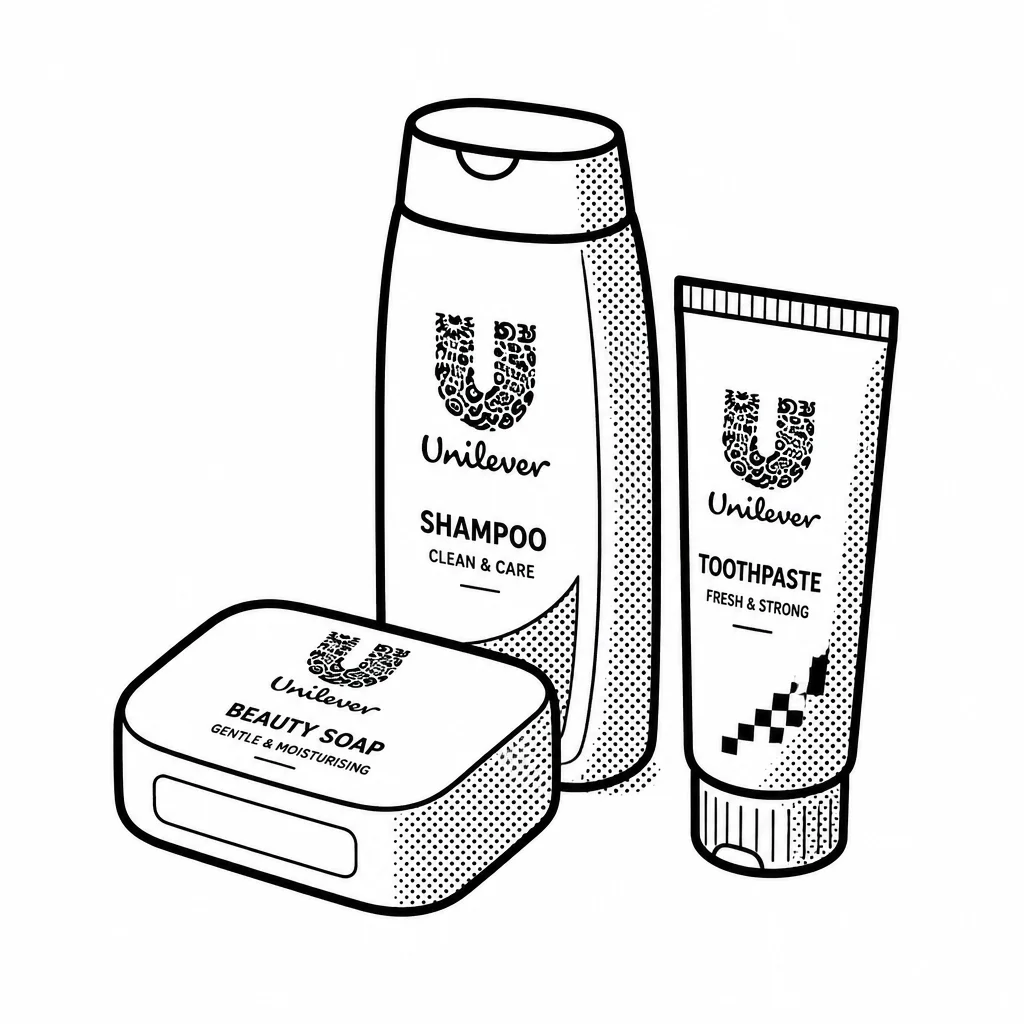
The business runs on a simple engine: build brands people trust, put them everywhere, and charge a small profit on each sale. Most of its money comes from selling personal care and home care goods to millions of households, either through supermarkets and convenience stores or through the vast network of small independent shops that most Indonesian families actually buy from. Food and ice cream add another leg, with Wall's ice cream being a familiar treat across the country. The company's roots go back to 1933, when a Dutch soap maker began selling in Indonesia. Today its biggest shareholder is Unilever, the global consumer goods giant based in London, which owns the majority of the company. That parent relationship matters: the global group has been reshaping its portfolio, and in 2025 Unilever announced it would spin off its ice cream business globally, a move that affects the Indonesian arm's Wall's ice cream operations too.
Unilever Indonesia's real strength is its distribution and brand trust, built over decades. That is also its vulnerability. It competes with local giants like Indofood and a swarm of cheaper local brands, and Indonesian shoppers are price-sensitive. The company pays out large dividends to shareholders, which means a big share of its profits flows to investors rather than staying in the business. For anyone watching the company, the key questions are simple: can it keep growing in a crowded, cost-conscious market, and how does the global shake-up at its parent change what the Indonesian business looks like?
Saved answer · last researched 12 Nov 2026