Understand any stock in simple English
Enter a ticker to learn what the company does and how it makes money.
Ultrapar Participações S.A.
Ultrapar distributes cooking gas and fuels and stores liquid bulk at terminals, mainly in Brazil.
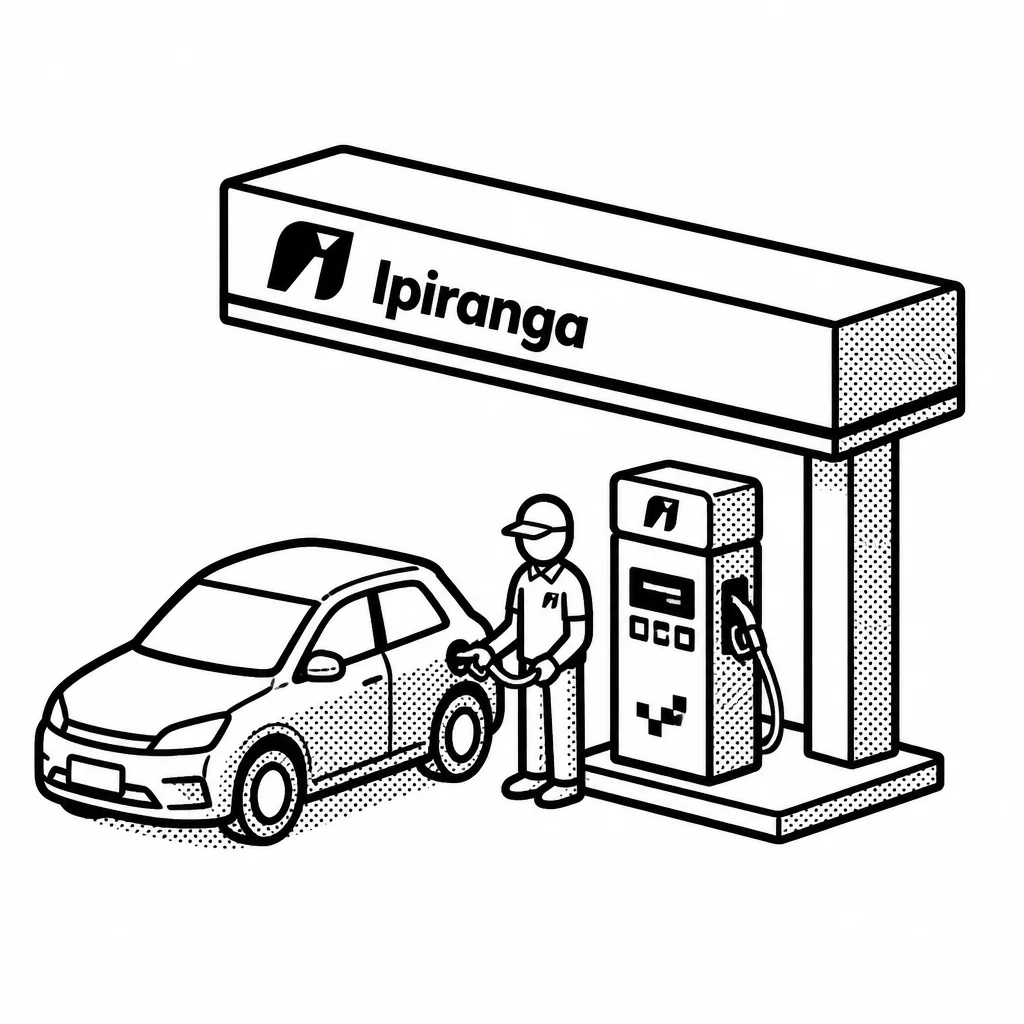
Ultrapar is one of Brazil's biggest fuel and gas distributors. Its best-known business, Ultragaz, delivers liquefied petroleum gas — the canisters of cooking gas that heat stoves in millions of Brazilian homes and power small businesses. Its Ipiranga chain runs a huge network of gas stations selling gasoline, ethanol, and diesel to drivers and truckers.
The company also stores liquid bulk — chemicals, fuels, and vegetable oils — at port and inland terminals through Ultracargo, collecting fees for handling and keeping those products safe. And it runs Oxiteno, a chemicals business that makes specialty ingredients for cleaning products, cosmetics, and agriculture. So Ultrapar is really three related businesses: gas delivered to doorsteps, fuel sold at roadside stations, and tanks that hold liquids in between. The money comes from thin margins multiplied by enormous volume. Fuel distribution is a brutal, low-margin game — Ultrapar buys fuel, moves it through terminals and trucks, and sells it at a tiny markup. What protects it is scale: a vast station network, loyal resellers, and logistics that are hard to copy. Its main rivals in fuel are Vibra Energia VBBR3 and Raízen RAIZ4, and in LPG it competes with Copagaz and Nacional Gás.
Ultrapar has been reshaping itself. It sold Oxiteno to Indorama Ventures INDORAMA in 2022, and has been focusing on fuel and gas distribution plus storage. The business is steady but cyclical — tied to how much Brazilians drive and cook — and it has faced past scandals, including a major antitrust investigation into fuel pricing that led to a settlement. It pays shareholders through dividends and buybacks, using its steady cash flow rather than chasing rapid growth.
Saved answer · last researched 16 Nov 2026