Understand any stock in simple English
Enter a ticker to learn what the company does and how it makes money.
Indorama Ventures Public Company Limited
Indorama Ventures makes the basic plastic and chemical building blocks that go into everyday products like drink bottles, clothing, and packaging.
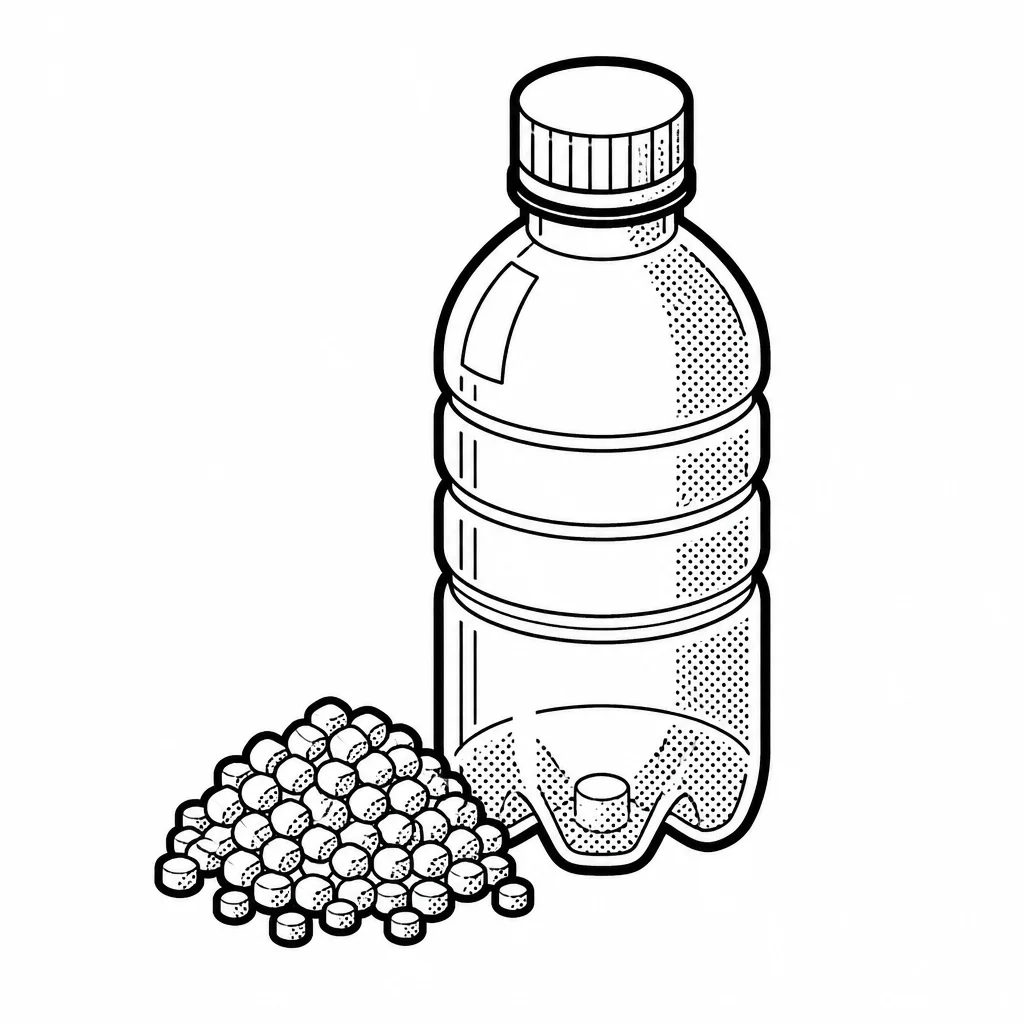
Indorama Ventures is one of the world's biggest makers of polyester and plastic resins, the raw materials that get turned into things you touch every day. Its best-known product is PET plastic — the clear, lightweight stuff most drink bottles and food containers are made from. It also makes polyester fibers for clothing and other textiles, plus specialty chemicals used in everything from tires to paints.
The business runs on scale and geography. Indorama operates factories across Asia, Europe, the Americas, and Africa, so it can supply global customers like Coca-Cola bottlers, textile mills, and packaging companies closer to where they operate. Most of its revenue comes from selling these commodity materials in huge volumes at thin margins, which means small swings in raw material prices or demand can move profits a lot. It also has a fast-growing recycling arm, turning used bottles back into new PET resin as brands and governments push for more recycled content. The company grew largely through deals rather than building from scratch. Founded by Indian-born businessman Aloke Lohia, Indorama started as a small polyester producer in Thailand in the 1990s and went on an acquisition spree, buying up rival chemical and fiber plants around the world to become a dominant global player. That strategy built reach and bargaining power, but it also loaded the company with debt — a real vulnerability when demand cools or interest rates bite.
Indorama's customers are mostly other businesses, not shoppers. Bottlers, clothing makers, car part suppliers, and packaging firms buy its resin and fiber because it is consistent, available in bulk, and increasingly includes recycled material that helps them meet their own sustainability promises. Competition is fierce from large chemical producers in Asia and the Middle East, so cost discipline and recycling capacity are where Indorama tries to stand apart. The bet is that as the world demands more recycled plastic, owning the recycling plants will matter as much as owning the factories that make the plastic in the first place.
Saved answer · last researched 12 Nov 2026