Understand any stock in simple English
Enter a ticker to learn what the company does and how it makes money.
Texas Roadhouse, Inc.
Texas Roadhouse runs casual dining steakhouses that serve steaks, ribs, seafood, chicken, burgers, and salads to diners in the U.S. and abroad.
Texas Roadhouse is a chain of casual dining steakhouses where people go for a big meal without dressing up or spending a fortune. The pitch is simple: hand-cut steaks, fall-off-the-bone ribs, fresh-baked bread with cinnamon butter, and buckets of peanuts on every table. You eat in, and you leave full.
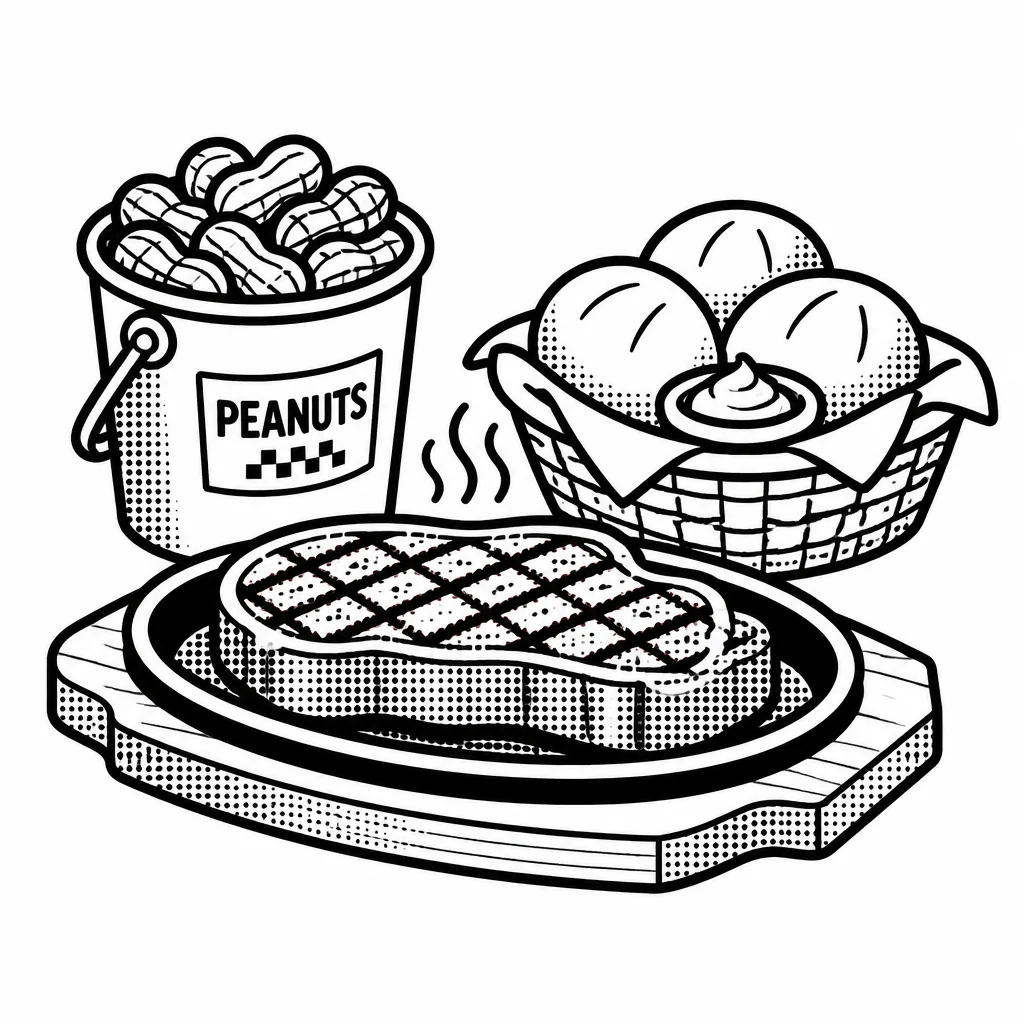
The company makes its money by selling food and drinks to diners across its restaurants, plus a smaller amount from franchise fees and royalties where outside operators run locations under its name. Customers pick it over Darden Restaurants's Olive Garden or LongHorn Steakhouse, or over rivals like Bloomin' Brands's Outback Steakhouse, because the prices are moderate, the portions are generous, and the atmosphere is loud and friendly rather than fussy. It is not trying to be fine dining. It is trying to be the place a family picks on a Friday night when everyone can agree. The business runs on volume and consistency. Restaurants are busy, tables turn quickly, and the menu is deliberately tight so kitchens can execute it well night after night. A big part of the appeal, and a real cost, is the staff: the company has long invested in keeping its people happy, and that shows up in service and in how long employees stay. It has also built a loyal following with its "Roadhouse" vibe — line dancing, birthday saddles, and a steady drumbeat of promotions — that makes the brand feel like an event, not just a meal.
Growth has come mostly from opening new restaurants, and the company has expanded internationally through franchises in places like the Middle East and Asia. The risk side is honest: restaurants are a tough, low-margin business, labor and food costs keep rising, and a slowdown in consumer spending hits casual dining hard. Still, Texas Roadhouse has been one of the steadier performers in its category, and it returns cash to shareholders through a dividend while continuing to fund new locations.
Saved answer · last researched 14 Nov 2026
BIG PICTURE
Only 45% of steakhouse diners call Texas Roadhouse their go-to
- 45% Diners who name Texas Roadhouse as their go-to steakhouse
- 55% Diners whose go-to steakhouse is another brand
Texas Roadhouse is the country's biggest casual dining brand, yet fewer than half of steakhouse diners in three big markets say it is the place they choose first. LongHorn is the most common alternative, and 60% of Texas Roadhouse visitors also ate at Outback or LongHorn in the past year. Selling steaks means fighting for the same customers. Source: Upside Steak Wars survey, data from 2026
Timeline
A Sketch on a Napkin
Kent Taylor had a simple idea: a steakhouse where regular people could afford a good steak, and he wanted to build it in the Texas style. He was turned down by more than eighty investors before three doctors in Elizabethtown, Kentucky, put up the money to get it going. The first Texas Roadhouse opened in Clarksville, Indiana, in February, and the bet was on. That napkin sketch was the whole plan.
The Early Restaurants That Failed
It almost didn't work. Three of the first five restaurants failed because they were built in bad locations, and Taylor decided he would not make that mistake twice. He overhauled the menu, the recipes, the decor and how staff were trained, and those changes gave the brand a clear identity and set it on the path to success.
Texas Roadhouse Goes Public
After a decade of growth, the company sold shares to the public on NASDAQ, turning a chain built on a napkin into a company owned by outside investors.
The First Location in Dubai
The company took its first step outside the United States, opening in Dubai Mall through a partnership with Alshaya, a Middle East franchisee. A steakhouse born in Indiana now had a foothold on the other side of the world.
Bubba's 33 Is Born
Texas Roadhouse tried a new idea: a sports bar and casual restaurant called Bubba's 33, with wall-to-wall flat screens, handcrafted pizza, burgers and beer. The first one opened in Fayetteville, North Carolina. It was the company testing whether its magic could work outside the steakhouse.
Jaggers Joins the Family
A year later came Jaggers, a fast-casual concept focused on made-to-order burgers, hand-breaded chicken sandwiches and milkshakes, starting in Noblesville, Indiana. It was another bet on a different kind of restaurant, this one built for speed.
Kent Taylor Gives Away His Pay
When the pandemic hit and restaurants were thrown into crisis, Taylor donated his entire salary and bonus, more than $800,000, to the people who worked for him. It was a very public statement about what he thought the company was really made of.
Kent Taylor's Death
In March, Taylor died by suicide after struggling with unbearable tinnitus, a constant ringing in his ears. Jerry Morgan, who had been with the company for twenty-three years, took over as president and CEO. The founder was gone, but the company he built had to carry on.
The Biggest Casual Dining Chain
Texas Roadhouse passed Olive Garden to become the largest casual dining chain in the United States. With more than 800 locations, it had grown from that first Indiana restaurant into the biggest name in its corner of the business, and even its signature dips were showing up on grocery store shelves.
A Hoax and a Slowdown
A viral social media hoax falsely claimed that Texas Roadhouse employees planned to tamper with Black customers' food, and the company fought back with an internal review and an outside forensic firm, both of which found no evidence for the allegations. Same-store sales growth still slowed to about 1% that September before rebounding in the following months, a reminder that a lie online can cost real money even when it isn't true.