Understand any stock in simple English
Enter a ticker to learn what the company does and how it makes money.
The Timken Company
Timken makes engineered bearings and industrial motion products for machines and vehicles around the world.
Timken is a parts company for the industrial world. It makes bearings — the small but essential rings of rolling metal that let shafts spin smoothly inside machines — along with gears, belts, couplings, and other motion-control components. Its customers are mostly other manufacturers: industrial equipment makers, mining and energy companies, and automotive suppliers who build Timken parts into their own products.
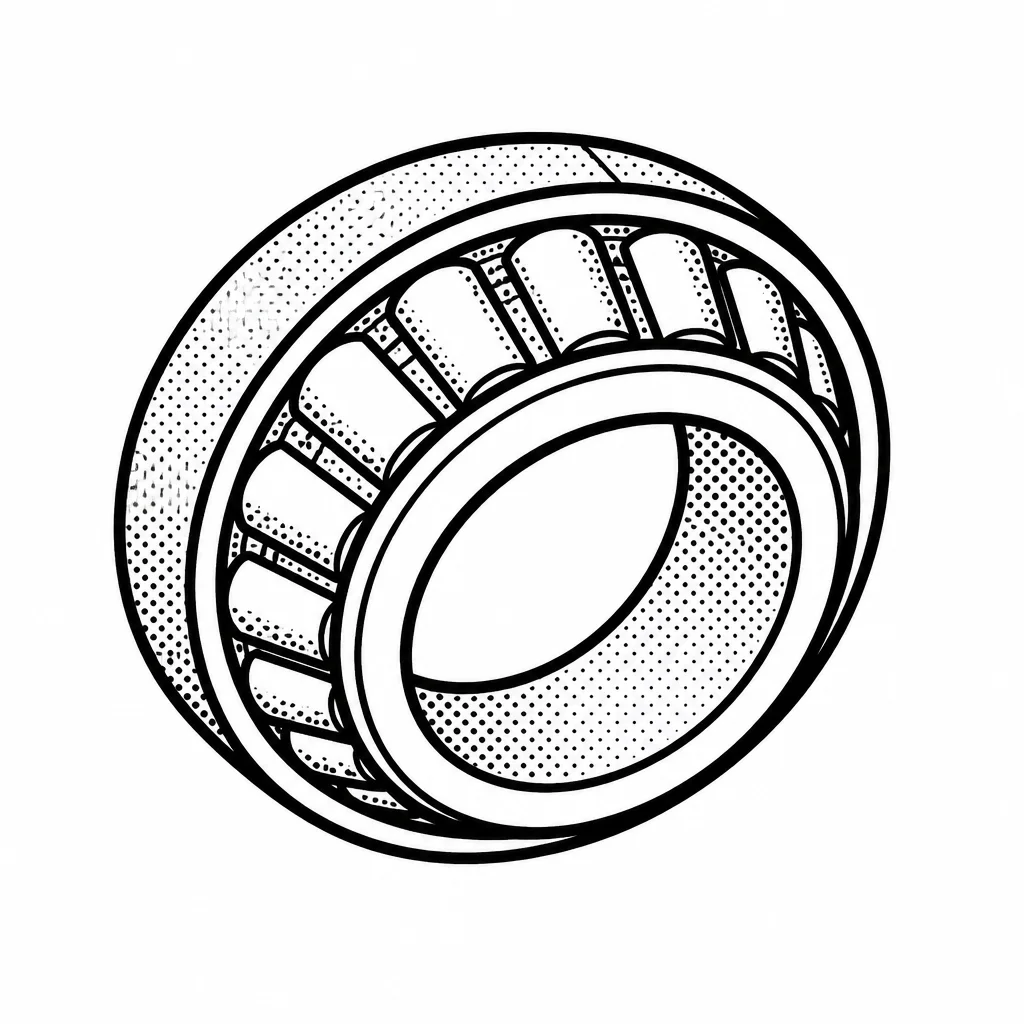
The bearings business is the heart of it. Almost anything with a spinning shaft needs a bearing, from a giant wind turbine to a conveyor belt in a factory to the wheels on a truck. Timken sells these as engineered products built for specific loads, speeds, and harsh conditions, then keeps earning money by replacing them as machines wear out. That aftermarket demand is steadier than the boom-and-bust of new equipment orders. The company also owns brands like Philadelphia Gear and Cone Drive, which make gears and drives for heavy machinery, plus a belt and chain business through its Carlisle acquisition in 2025. That deal pushed Timken further into motion control and made it less dependent on any single market. Competitors include big bearing makers like SKF and Schaeffler and, in gears and drives, Regal Rexnord.
Timken is a 125-year-old Ohio company with a reputation for engineering quality, and that brand is a real advantage when a failed bearing can shut down a mine or a factory. But it is still a cyclical business tied to industrial spending, and tariffs and trade policy have become a live issue given its global manufacturing footprint. It pays a steady dividend and buys back shares, returning cash to owners while it invests in the motion-control shift.
Saved answer · last researched 14 Nov 2026