Understand any stock in simple English
Enter a ticker to learn what the company does and how it makes money.
SSAB AB (publ)
SSAB makes high-strength and specialty steels and steel plates for industrial customers around the world.
SSAB is a Swedish steelmaker that sells something most people never see but almost everyone depends on: the hard, strong steel that goes into trucks, tractors, cranes, bridges, and buildings. Its customers are industrial companies and construction firms, mostly in Europe and North America, who buy steel plates and coils and then cut, weld, and bend them into machines and structures. The company is headquartered in Stockholm, and its shares trade on Nasdaq Stockholm.
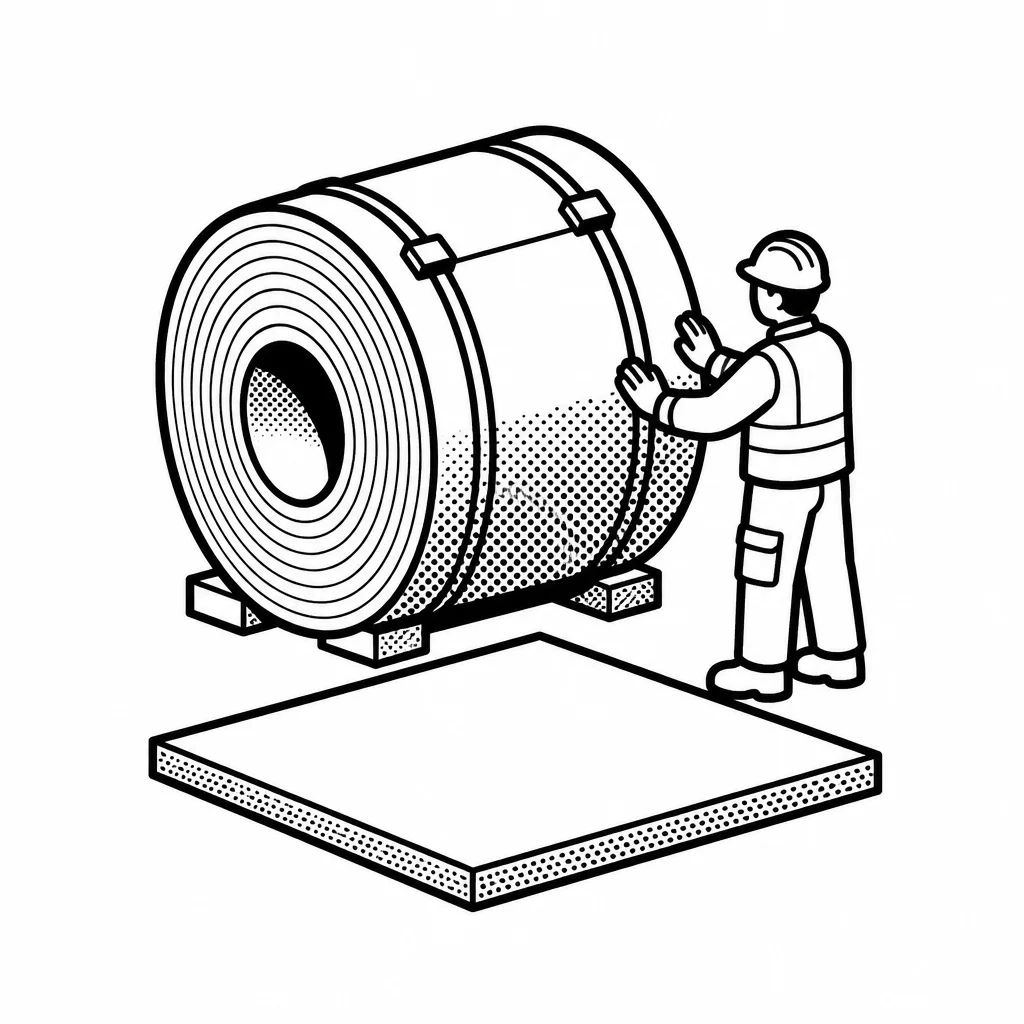
The heart of the business is specialty steel, not plain commodity steel. SSAB is the world's biggest maker of what the industry calls quenched and tempered steel — ultra-hard plate used in things like mining equipment, heavy truck frames, and load-bearing structures. Its big selling point is strength-to-weight: a customer can use a thinner piece of SSAB's high-strength steel and get the same strength as a thicker piece of ordinary steel, which makes the final machine lighter, cheaper to run, and able to carry more. The company also runs a steel plate business in the US through its subsidiary, and a smaller construction solutions arm that sells prefabricated steel products like steel framing and bridge parts. The most interesting bet SSAB has made is on going green. Traditional steelmaking is one of the dirtiest industrial processes on earth, because blast furnaces burn coal and coke, releasing huge amounts of carbon dioxide. SSAB has been developing a process that replaces coal with hydrogen, which produces water instead of CO2 as the byproduct. It has partnered with the mining company LKAB and the energy company Vattenfall on this effort, and it has already started delivering small volumes of what it calls fossil-free steel to customers like Volvo Group. The plan is to convert its Nordic steelmaking to this method over the coming decade, which is expensive and technically risky, but could give SSAB a big edge if customers — especially automakers and industrial buyers under pressure to cut emissions — are willing to pay a premium for cleaner steel.
Steel is a cyclical business, and SSAB is not immune. Its profits rise and fall with European and American industrial demand, construction activity, and steel prices, and it faces competition from big global producers as well as cheaper imports. The company has used its cash to pay dividends and invest in the green steel transition rather than to make large acquisitions. The simple version: SSAB sells the strong, light steel that makes heavy machines work, and it is now trying to make that steel without the enormous carbon footprint — a bet that could define the next chapter of the company.
Saved answer · last researched 12 Nov 2026