Understand any stock in simple English
Sohu.com Limited
Sohu runs Chinese online media and video sites that sell advertising, plus online games, to users and advertisers in China.
Sohu is one of China's older internet companies, and today it makes money in two main ways: it runs news and video websites that sell advertising space, and it publishes online games that players pay to enjoy. Most people know it for the first part — Sohu.com and its news portal have been familiar names to Chinese web users for decades, much like a homegrown mix of a news site and a video platform.
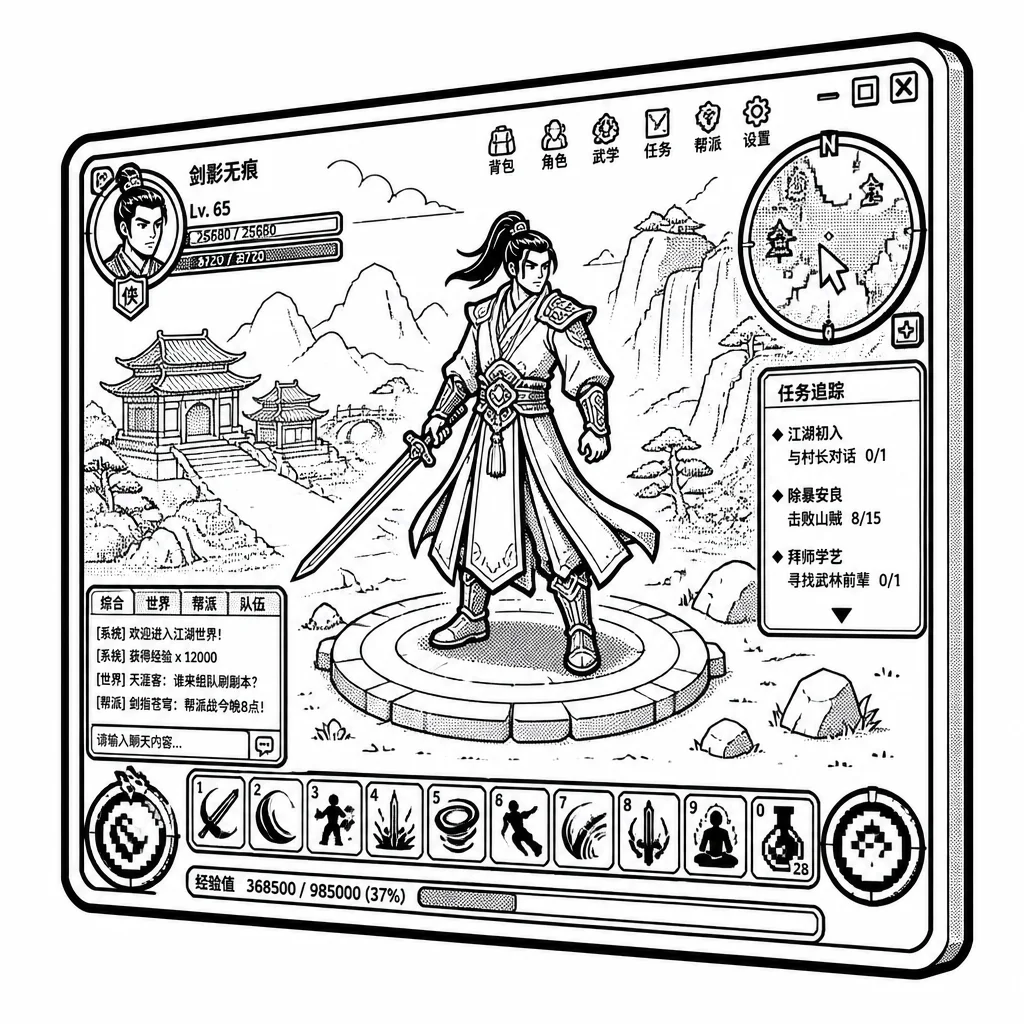
The media side works like a classic advertising business. Sohu produces and gathers news, entertainment, and video content, then sells the attention it attracts to brands that want to reach Chinese consumers. That revenue is heavily tied to the advertising market, which rises and falls with the economy. The company also has a long history in online video and owns the video site Sohu TV, where it competes for viewers against much larger platforms run by Tencent, Baidu, and Alibaba, among others. The games business is the quieter but often more profitable engine. Sohu's game unit, Changyou, develops and operates online games — including older titles like Tian Long Ba Bu — whose dedicated players keep spending money on in-game items long after launch. A hit game can throw off steady cash for years, which gives Sohu a cushion when advertising gets soft.
Sohu has been through big changes. It spun off its search business Sogou, which was later sold to Tencent, and it has bought back shares and paid dividends over time. The core challenge is simple: it is a mid-sized player in a market dominated by giants, so it survives on loyal users, established games, and careful cost control rather than explosive growth.
Saved answer · last researched 19 Nov 2026
BIG PICTURE
Sohu's news app lets an algorithm pick 62% of the stories Chinese readers see
- 62% Stories picked by algorithm
- 38% Stories picked by editors or users
On the Sohu News app, 62% of stories are ranked by software, while editors choose 28% and users post the last 10%. That matters because Sohu earns most of its money selling ads against attention. When an algorithm decides what people read, the company's ad space is shaped by machine choices rather than by journalists or by what users deliberately share. Source: The Texting Imperative, data from 2026