Understand any stock in simple English
Siemens Gamesa Renewable Energy S.A.
Siemens Gamesa builds and services wind turbines and wind farms for power companies and industrial customers around the world.
Siemens Gamesa makes the giant machines that turn wind into electricity. Power companies and industrial customers buy its turbines, and then pay it to keep those turbines running for decades. It is one of the world's biggest wind-turbine makers, with factories and service crews spread across the globe.
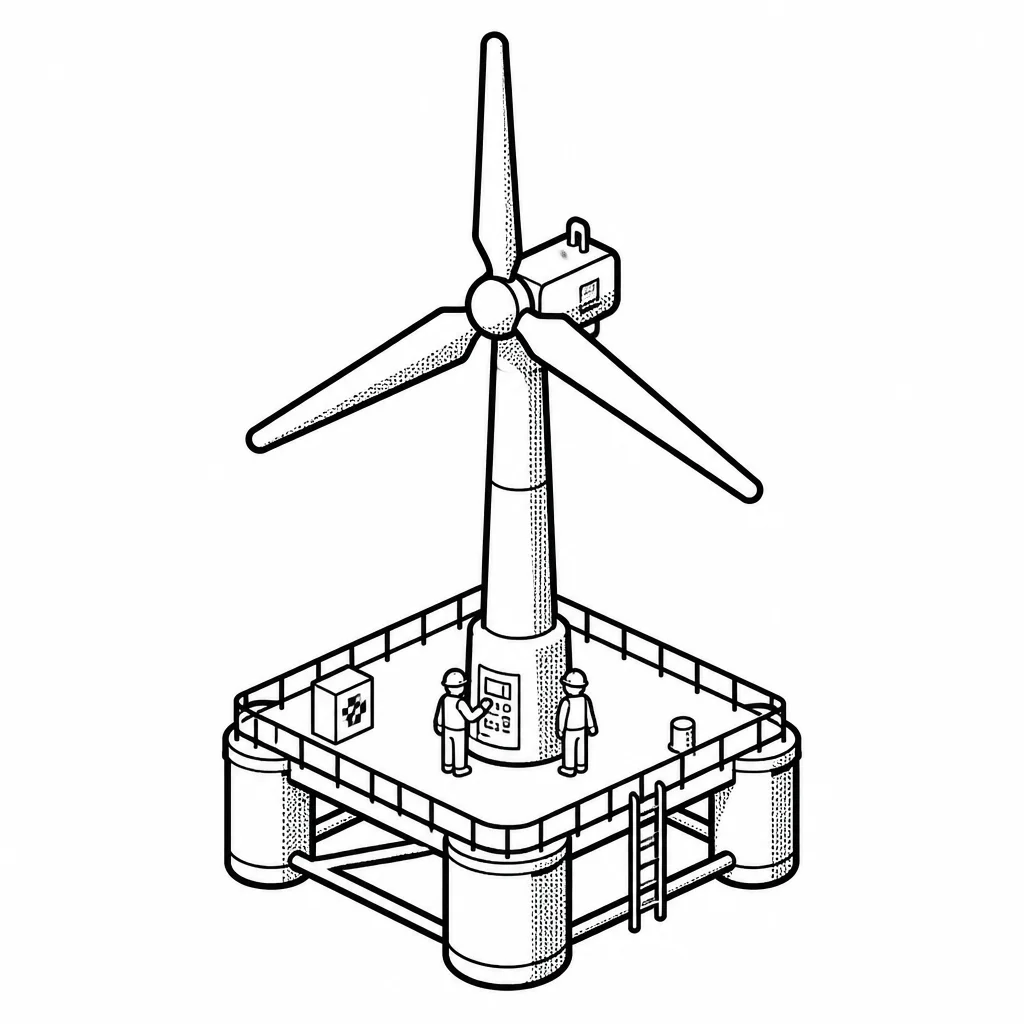
The business has two main parts. One builds and sells wind turbines, both onshore (the familiar towers on land) and offshore (huge machines planted in the sea). The other is service: maintaining and repairing turbines it has already sold, which brings in steadier, recurring money. Customers choose a turbine maker largely on price, reliability, and track record, and they stick with the service arm because it knows the machines best. The company is headquartered in Spain and was formerly called Gamesa before merging with Siemens' wind business. The wind industry is brutally competitive. Siemens Gamesa fights for orders against Vestas and General Electric, and Chinese rivals are pushing hard on price. The offshore market, where Siemens Gamesa has long been a leader, is growing fast as countries race to build wind farms at sea, but the machines are expensive to build and the projects are complex.
The company has had a rough stretch. Its onshore business ran into quality problems with certain turbine models, which forced costly repairs and dented profits. Its parent, Siemens, has had to step in with support. Wind is a business with thin margins and heavy upfront costs, so a few bad turbines can wipe out a lot of good years. That is the bet: enormous long-term demand for clean power, against a business that is hard to run profitably.
Saved answer · last researched 20 Nov 2026