Understand any stock in simple English
Enter a ticker to learn what the company does and how it makes money.
Sanofi
Sanofi is a global healthcare company that discovers, makes, and sells medicines and vaccines.
Sanofi is one of the world's largest drug companies. It researches, develops, and sells prescription medicines and vaccines that treat everything from asthma and eczema to rare diseases and infections. You probably know it best from the pharmacy shelf: it makes the itchy-eye allergy pill Allegra and the over-the-counter stomach remedy Buscopan, along with the widely used vaccine brands it sells in many countries.
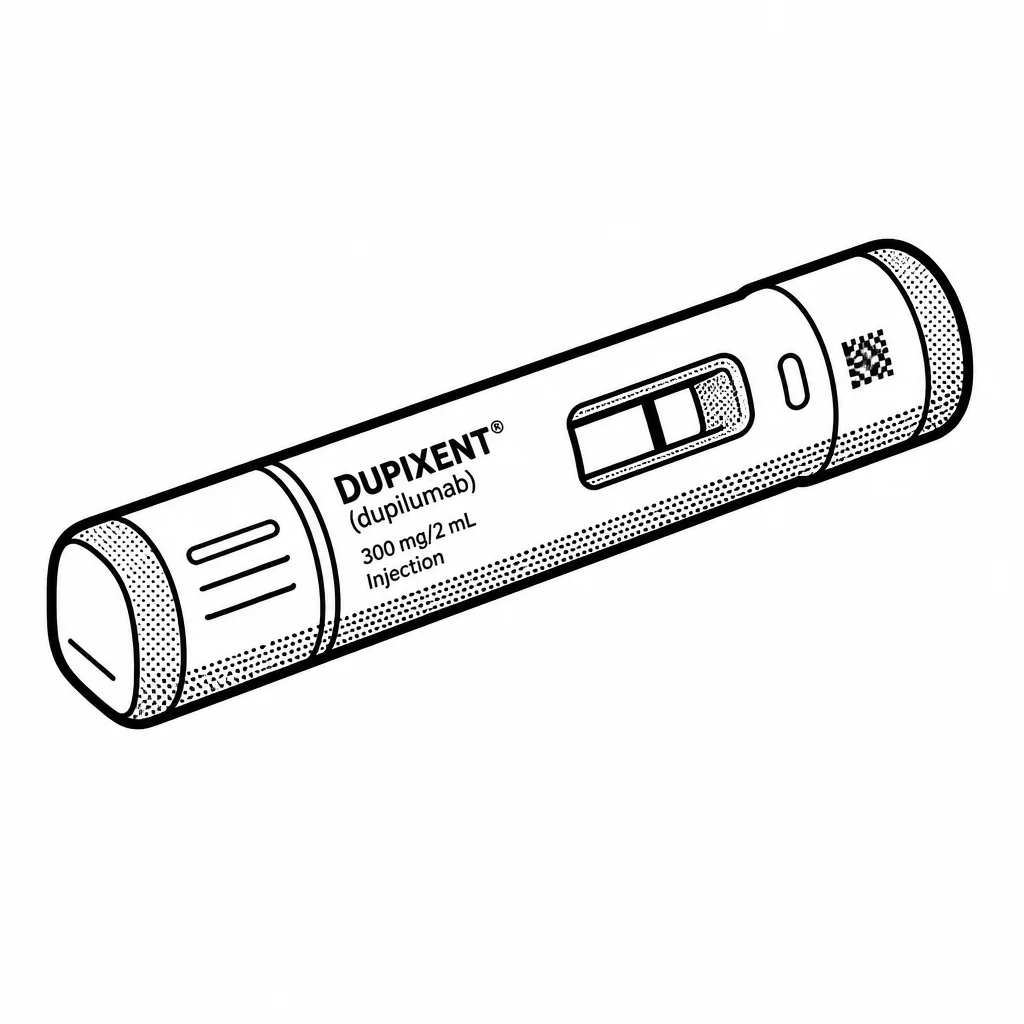
The core of the business is a simple bet: spend years and billions of dollars testing molecules in hopes that a handful work and become blockbuster drugs. Sanofi's biggest current star is Dupixent, an injectable medicine for severe eczema, asthma, and related inflammatory conditions that it developed with Regeneron. Dupixent has grown into one of the best-selling medicines in the world, and Sanofi's future profits lean heavily on it. The company also sells a large portfolio of vaccines (including flu shots), plus older medicines for diabetes and cardiovascular disease that bring in steady cash even as they face cheaper generic competition. Sanofi has been reshaping itself to focus on newer, higher-price specialty drugs and vaccines. It spun off its consumer-health business into a separate company, Opella, selling a controlling stake to a private-equity buyer. It is investing heavily in immunology and in a new generation of antibody drugs. Its main rivals are the other global pharmaceutical giants, such as Pfizer, Merck, Novartis, and AstraZeneca, all fighting for the same doctors and patients.
The risks are real. When a drug loses patent protection, copycat generics can wipe out its sales almost overnight, and Sanofi has several big products facing that cliff. Its heavy reliance on Dupixent means any stumble there would hurt. Still, the company throws off lots of cash, which it uses to fund research, pay a dividend that has long been a draw for income investors, and buy back shares. Sanofi is a case study in the drug business's central tension: enormous, patient investment in science on one side, and the constant threat of competition and patent expirations on the other.
Saved answer · last researched 10 Nov 2026
BIG PICTURE
One Sanofi drug holds more than 80% of the market for a severe skin condition
- 80% Dupixent's share of the global biologic market for moderate-to-severe atopic dermatitis
- 20% Other biologic treatments
Dupixent, Sanofi's biggest seller, holds over 80% of the global market for biologic treatments of moderate-to-severe atopic dermatitis, an itchy skin disease. Rivals have little room. That grip helps explain why the drug brings in over 30% of Sanofi's sales, so much of the company's income rests on one medicine. Source: Titan Stock Analysis, data from 2026
Timeline
An Oil Company Starts a Drug Business
In 1973, the French state-owned oil giant Elf Aquitaine decided to put some of its money into medicine instead of only oil, and Sanofi was born as its pharmaceutical arm. Over the next few years it swallowed up smaller French drug firms and pulled them all under one roof, so a bunch of scattered pieces became a single organization by the end of the decade.
Sanofi Merges with Synthélabo
By 1999, Sanofi was ready to team up with its French rival Synthélabo, combining the country's second- and third-biggest drug groups into one larger company. The new firm kept its eye on medicines and sold off everything that wasn't core — beauty, diagnostics, animal health — so it could focus on what it did best.
The Battle for Aventis
Then came the fight that would remake the company. Sanofi-Synthélabo went after the bigger Aventis, first with a hostile bid that was rejected, then with a friendlier one after a three-month takeover battle — and the French government, wanting a homegrown champion, made clear it favored the deal. When it was over, the combined company took the name Sanofi-Aventis and stood among the largest drugmakers in the world.
Dropping the Aventis Name
A few years into the merged company's life, the '-Aventis' half was dropped so the name would be easier to say in places like China, and Sanofi became just Sanofi.
Buying Genzyme
That same year, Sanofi spent about $20 billion to buy Genzyme, an American biotech that made medicines for rare genetic diseases. It was a smart move: it opened a whole new growth area and made Sanofi a global leader in treating rare diseases.
Paul Hudson Takes the Wheel
In 2019, Paul Hudson became CEO with a simple mandate: get new drugs flowing again, lift the share price, and stop leaning so heavily on a few blockbuster products. Under him the company tilted toward immunology, vaccines and innovative therapies, and it mostly walked away from the classic diabetes business.
The 19% Plunge
In late 2023 the stock crashed nearly 19% in a single day — Sanofi's worst one-day fall since it listed in the US — wiping out about $25 billion in value. The trigger was a weak quarter plus a new 'play to win' plan: spend more on research, drop the old 2025 profit target, and split off the consumer healthcare business. Investors were spooked by the bet on research at a time when Sanofi's research wasn't producing much.
Sanofi Ousts Paul Hudson
By 2026 the turnaround had stalled, vaccine sales had turned against the company, and trial results had disappointed, so the board abruptly removed Hudson and named Belén Garijo to replace him. One big worry hung over all of it: the company still leaned too hard on Dupixent, a drug whose patents run out in the early 2030s, and shareholders had done worse than those of rivals like AstraZeneca and GSK. Garijo was expected to bring discipline and speed up the plan for a future without Dupixent.
Garijo Opens the Wallet
Under Garijo the mood changed fast: Sanofi raised its 2026 growth targets for the second time and said it was ready to chase bigger deals for medicines that were late in testing or already on sale. It expanded its partnership with Regeneron in a deal worth up to $8 billion and signaled it would go beyond its usual smaller purchases to rebuild the pipeline before Dupixent's patents run out.