Understand any stock in simple English
Enter a ticker to learn what the company does and how it makes money.
Rotork plc
Rotork makes the powered devices that open, close and control valves on pipelines, factories and ships.
Rotork makes the machines that turn valves. In refineries, water plants, power stations and oil and gas pipelines, a valve is just a piece of metal that must be opened or closed at the right moment — often in a place too dangerous, too hot or too remote for a person to do it by hand. Rotork sells the actuators that do the pushing and turning, plus the gearboxes and controls that tell them what to do. Customers pay for reliability and precision: if a valve fails to close on a giant oil pipeline, the results can be catastrophic.
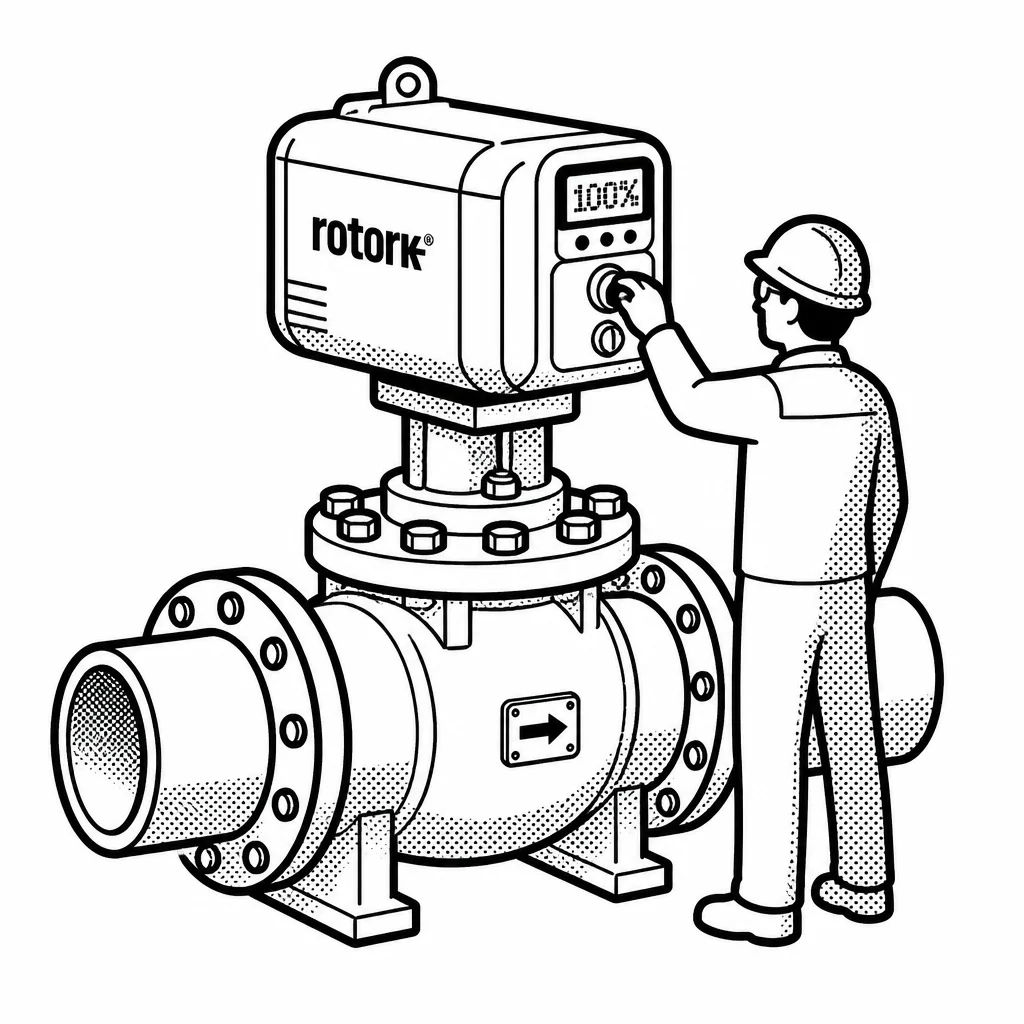
Think of the company as a maker of muscles and nerves for industrial plumbing. The muscle is the actuator that physically moves the valve. The nerves are the electronics that let a control room hundreds of miles away tell it when to move, and confirm that it did. The company also runs a small but growing service business, sending engineers to maintain and repair its equipment. That matters because installed actuators stay in place for decades and generate steady, high-margin aftermarket revenue year after year. Rotork is headquartered in Bath, England, and traces its roots back to the 1950s, when it built its first electric valve actuators for the oil industry. Today its customers span oil and gas, water utilities, power generation and general manufacturing around the world. Its main rivals are other valve-control specialists, including Emerson Electric and the valve-automation businesses of larger industrial groups, but Rotork's brand and its installed base of equipment give it an edge: once a plant is built around Rotork actuators, swapping in another brand is a hassle.
The business comes with real cyclicality. When oil companies and utilities cut spending on new projects, orders for actuators slow down too, because the devices are bought mainly when something new is being built. On the other hand, the recurring service and spares business softens the swings, and Rotork generates plenty of cash, which it has long used to pay dividends and buy back its own shares. It is a solid, unglamorous "picks and shovels" company: it does not drill the oil or run the water plant, but nothing in those plants moves without the little machines it builds.
Saved answer · last researched 16 Nov 2026