Understand any stock in simple English
Enter a ticker to learn what the company does and how it makes money.
PUMA SE
Puma makes and sells sports shoes, clothing, and accessories, along with golf clubs, to people around the world.
Puma is a sports brand that makes the stuff you wear to run, play football, hit the gym, or just look athletic walking down the street. It sells sneakers, tracksuits, jerseys, backpacks, and golf clubs. The company is based in Herzogenaurach, Germany — a small town that happens to be the hometown of its biggest rival, Adidas, because the two founding families split apart decades ago.
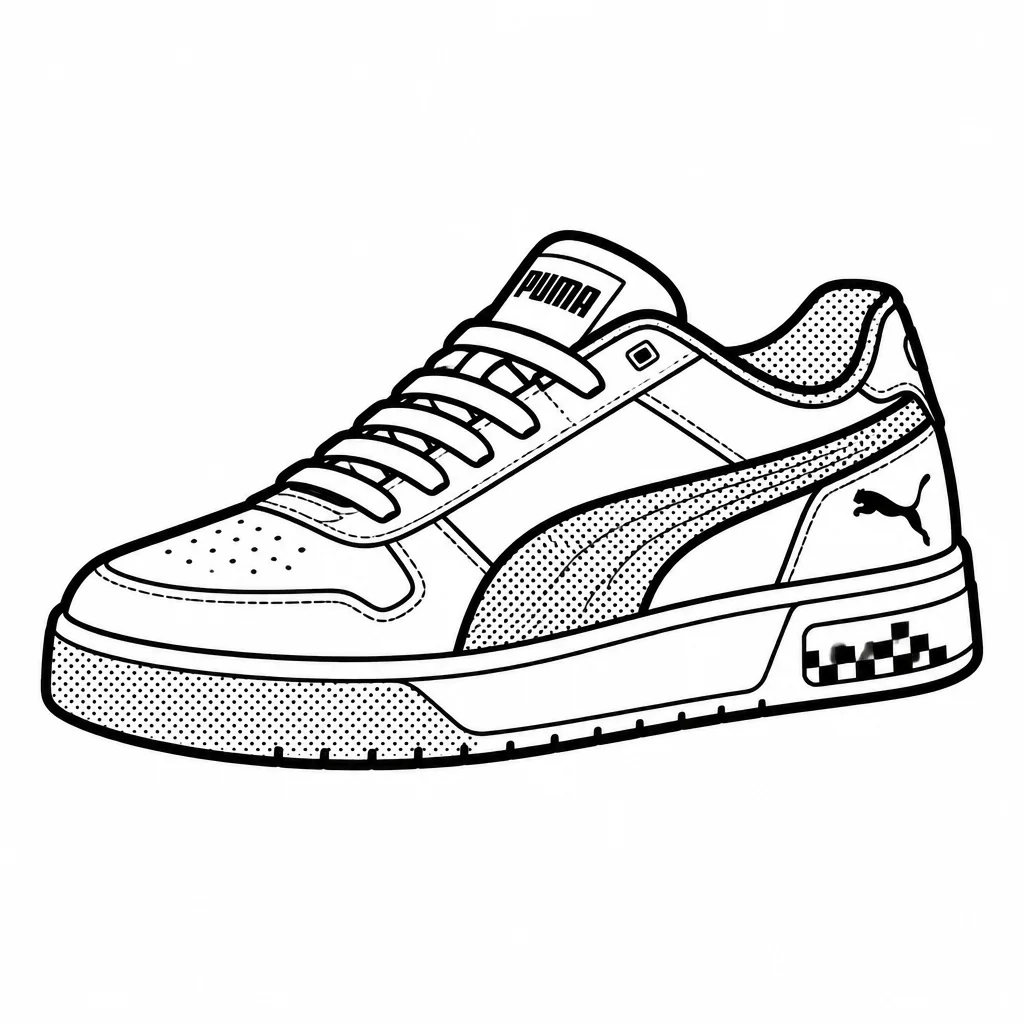
Puma doesn't own most of the stores where you find its shoes. It sells mainly through retailers and sporting-goods chains, plus its own shops and websites. It also pays big-name athletes and clubs to wear its gear, because a famous footballer wearing Puma cleats is the most powerful ad the brand can buy. The pitch to customers is simple: Puma tries to feel faster and more stylish than the competition, and it leans on sports marketing and celebrity partnerships to stay in the conversation alongside Nike and Adidas. The business is more fragile than it looks. Puma doesn't make most of its products itself; it relies on factories in Asia and on wholesale partners to get goods onto shelves. When shoppers get cautious or retailers order less, sales wobble fast. That's roughly what has happened lately: after a strong stretch, sales growth stalled in 2024, and the company has been cutting costs and working to rebuild momentum. Its golf business, which sells clubs and apparel, is a smaller but steady piece of the pie.
The big story hanging over Puma is who will own it. Its largest shareholder, the French family behind Kering, has been exploring a sale of its stake, and several sportswear rivals and private investors have reportedly kicked the tires. That matters because a new owner could change Puma's strategy overnight — more money for marketing, a push into new markets, or a harder turn toward value. For now, Puma keeps doing what it has always done: making athletic gear people want to wear and spending heavily to remind them it exists.
Saved answer · last researched 15 Nov 2026