Understand any stock in simple English
Enter a ticker to learn what the company does and how it makes money.
Pony AI Inc.
Pony AI builds self-driving software and runs robotaxi and robotruck services, mainly in China.
Pony AI is a self-driving technology company. It builds the software that lets a car or truck drive itself, and it also runs its own fleets of driverless taxis and trucks. Riders hail a Pony robotaxi through an app, and trucking and logistics companies use its autonomous trucks to move freight.
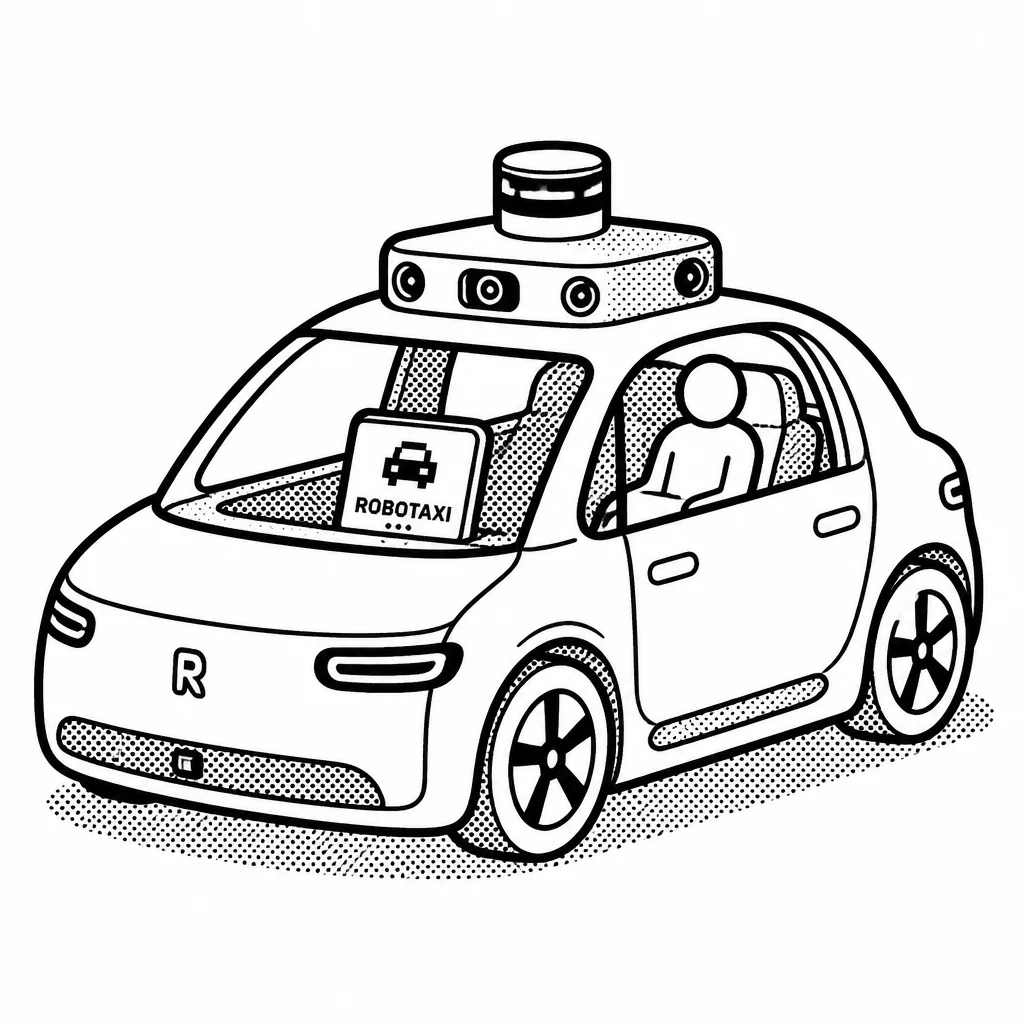
The company makes money in a few ways. It charges fares for robotaxi rides, sells or leases autonomous trucks and hauling services to logistics firms, and licenses its self-driving software to carmakers that want to add driver assistance or full autonomy to their own vehicles. The licensing piece is the big bet: instead of only operating fleets itself, Pony wants to become the brain that many automakers plug into their cars. Pony AI is headquartered in Guangzhou, China, and it listed on Nasdaq in late 2024. It is one of several Chinese autonomous-driving firms racing to turn years of testing into real paid service, competing with players like Baidu and a crowd of startups. The hard part is that robotaxis and robotrucks are expensive to build and operate, and regulators move slowly. Pony has accumulated large losses while scaling, which is normal for this industry but means the company depends on outside capital to keep going.
The interesting angle is China's roads. Dense cities, heavy traffic, and lots of scooters and pedestrians make driving there chaotic, which is actually a useful testing ground: if the software can handle Guangzhou, it can probably handle most places. Pony's early push into robotrucks matters too, because freight runs on fixed routes between warehouses and ports, which is an easier problem than picking up strangers anywhere in a city. The company's future hinges on whether it can get enough vehicles on the road and enough paying customers before the cash runs out.
Saved answer · last researched 15 Nov 2026
Timeline
Two Baidu Engineers Start Pony.ai
James Peng and Tiancheng Lou spent years building self-driving cars at Baidu in Silicon Valley. Then they left to start their own company, incorporated in the Cayman Islands with operations in Silicon Valley. Their big idea was a "Virtual Driver"—a self-driving brain that could work in any car, not just one brand's. It was an ambitious bet that software, not car hardware, would decide the winner.
PonyPilot Launches in China
Soon the company launched PonyPilot, China's first public-facing robotaxi service, in Beijing and Guangzhou. A partnership with automaker GAC put China's first autonomous fleet on open roads. Pony.ai was no longer just a lab project; it was a pioneer in actually selling rides.
Toyota Partnership and Investment
Next came a strategic partnership with Toyota to co-develop self-driving tech. The relationship deepened into a huge investment from Toyota, which became the company's largest strategic investor. That gave Pony.ai two things it badly needed: capital, and a major automaker to help build cars at mass scale.
California Permit Revoked
In the middle of that rise, California's DMV pulled Pony.ai's permit to test autonomous vehicles with a safety driver. The problem was basic and unglamorous: the company hadn't been properly monitoring its safety drivers' driving records. Testing in the U.S. paused, a real setback, though it was allowed to resume with safety drivers about a year later.
Pony.ai Opens on Nasdaq
The company went public on the Nasdaq in late 2024, raising roughly $260 million in one of the sector's biggest U.S. IPOs. But on day one the stock fell below its IPO price. Investors were asking the question every self-driving company faced: when does this actually make money?
Revenue Jumps, Stock Falls
The next year showed the gap between the business and the stock. Robotaxi revenue grew an enormous 691% year over year in one quarter, yet the share price hit a 52-week low and sat about 74% below its post-IPO peak. The rides were growing; profits were not, and the market cared more about the second one.
Pony.ai Lists in Hong Kong
So the company went to a second market. In late 2025 its shares began trading in Hong Kong, raising several billion Hong Kong dollars in net proceeds. The dual listing was meant to widen its investor base and strengthen its balance sheet—more fuel for a long race.
Pony.ai Joins MSCI China Index
Early next year came a stamp of approval: Pony.ai was added to the MSCI China Index, the first and only robotaxi company in it. The index addition reflected its execution and a business model that was starting to look real to the wider world. It also opened the door to global institutional investors.
Beyond China: Croatia and Dubai
Then the story changed shape. By early 2026 Pony.ai had started its first commercial robotaxi service in Europe, in Croatia, and driverless deployments in Dubai. It was operating in nine countries and running services in four overseas markets. The company that began in Silicon Valley and grew up in China had become a global self-driving operator.