Understand any stock in simple English
Enter a ticker to learn what the company does and how it makes money.
Performance Food Group Company
Performance Food Group is a giant food distributor that buys food and supplies in bulk and delivers them to restaurants, convenience stores, and other places that serve or sell food.
Performance Food Group is one of the biggest food distributors in America, and its job is surprisingly simple: it buys enormous amounts of food and supplies, stores them in warehouses, and drives them to the places that feed people. Its customers are restaurants, convenience stores, schools, hospitals, and cafeterias—anyone who sells or serves food but doesn't want to deal with hundreds of different suppliers. A single delivery truck might drop off tomatoes, frozen chicken, napkins, and cleaning spray at the same restaurant on the same morning. That convenience is the whole point: one order, one delivery, one bill.
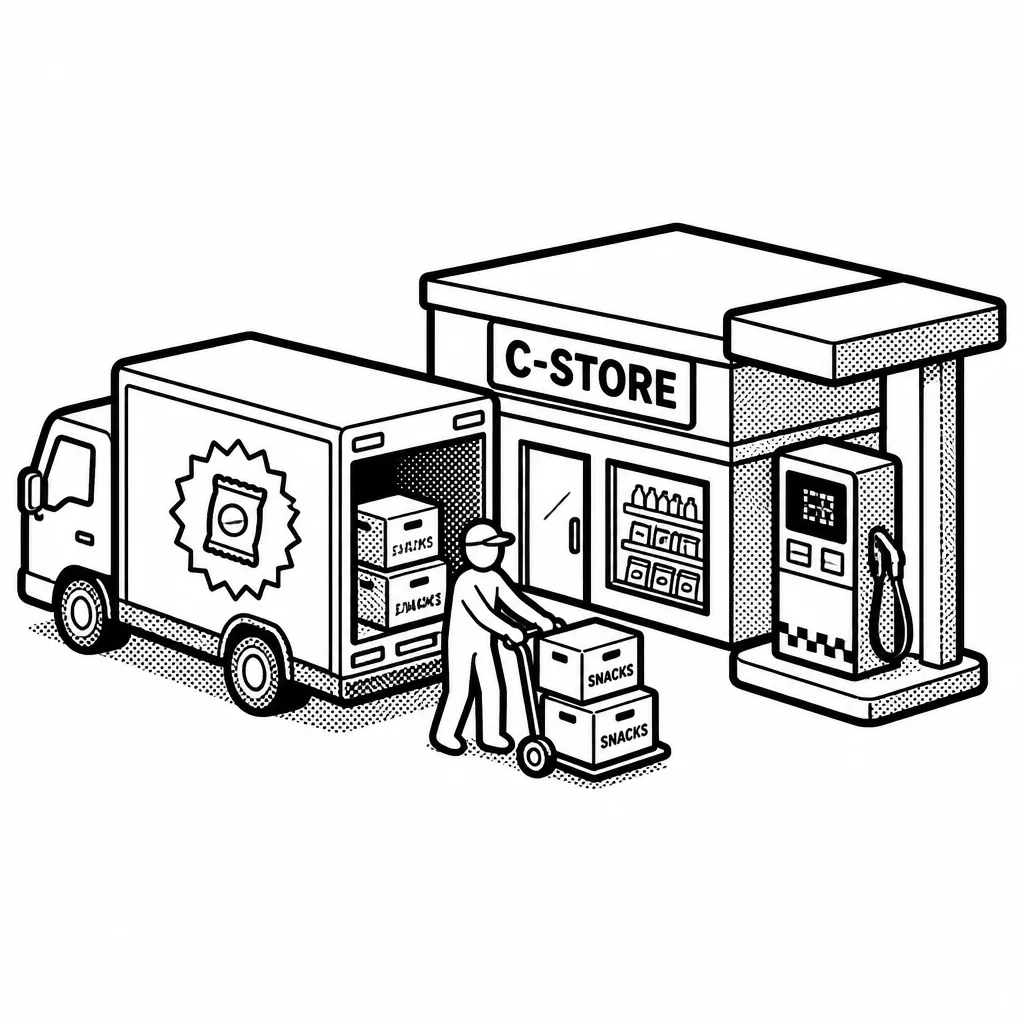
The company actually runs three separate businesses. The biggest is foodservice, which serves restaurants and other places that prepare food for people. The second is Vistar, a division that specializes in snacks, candy, and drinks for vending machines, movie theaters, and convenience stores. The third is a convenience-store supply business that delivers cigarettes, snacks, and other goods to gas stations and corner shops. So whether you're eating a burger at a diner, grabbing a candy bar from a vending machine, or buying a soda at a gas station, there's a decent chance Performance Food Group moved that product along the way. The business runs on thin margins, which means the company keeps only a tiny slice of every dollar of food it sells. That sounds bad, but it works because the volume is enormous—the company delivers billions of dollars of product every year, and small profits on huge volumes add up. The real advantage is scale and logistics: the company's warehouses, trucks, and buying power let it offer low prices and reliable delivery that a single restaurant could never match. Its main competitors are other big distributors like Sysco and US Foods, and the fight is mostly about who can deliver more reliably at a lower cost.
Performance Food Group has grown largely by buying other distributors, and it has made some big bets along the way. One notable move was its purchase of Core-Mark, a major convenience-store distributor, which significantly expanded its reach into gas stations and corner stores. That deal made the convenience segment a much bigger part of the company. The company also spends heavily on its own trucks and warehouses, because in distribution, the physical network is the business. If a truck breaks down or a warehouse runs badly, customers notice fast, and restaurants can't afford to run out of ingredients in the middle of dinner service. That's both the strength and the vulnerability of the model: once the network is built, it's hard for rivals to copy, but it's also expensive to keep running smoothly.
Saved answer · last researched 15 Nov 2026