Understand any stock in simple English
Enter a ticker to learn what the company does and how it makes money.
Oil and Natural Gas Corporation Limited
ONGC finds, pumps, and sells oil and gas, and also turns some of it into fuels and chemicals.
ONGC is India's state-owned oil and gas champion. It hunts for crude oil and natural gas under land and sea, pumps it out of the ground, and sells it to refineries and gas buyers. It also owns refineries and petrochemical plants that turn some of that oil into fuels and the raw materials for plastics. So it plays two roles: the producer pulling hydrocarbons out of the earth, and the refiner turning them into things people buy.
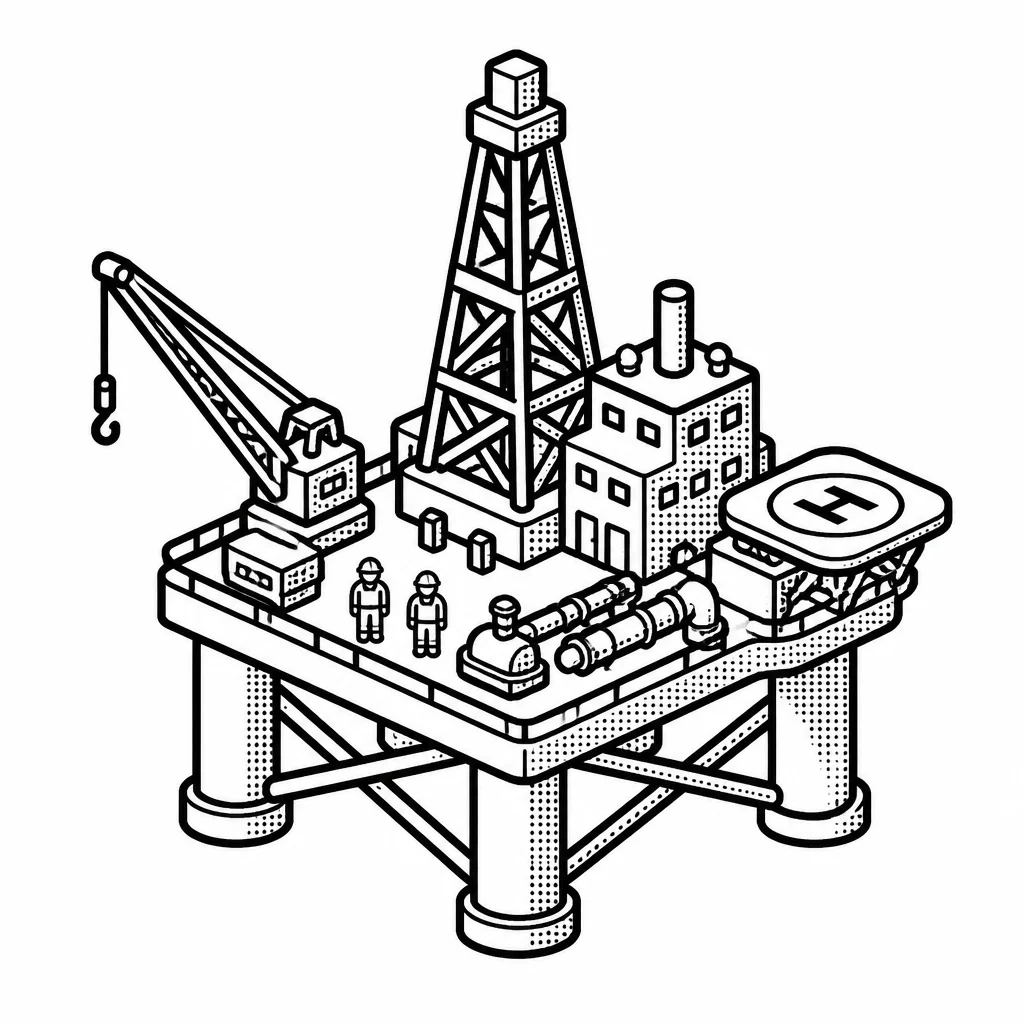
Most of its money comes from selling crude oil and natural gas it produces, and the price it gets is set by global markets rather than by ONGC itself. That makes it a price-taker: when oil prices are high, cash floods in, and when they crash, profits fall hard. A big chunk of its output comes from fields that are decades old, where the easy oil is gone and extraction gets more expensive each year. Its main shareholder is the Indian government, which owns the majority of the company and also leans on it for dividends to help fund the national budget. Things get messier when you look at how ONGC's profit actually reaches investors. It sells some gas at government-capped prices that are below what the market might pay, effectively subsidizing cheap energy for Indian households and businesses. It also owns a controlling stake in HPCL, a fuel refiner and retailer, which it bought in 2018. That deal made ONGC a fuller integrated oil company, but it also meant absorbing a lower-margin refining and fuel-marketing business. ONGC also holds a big stake in GAIL, the country's main gas pipeline and processing company.
The company's great strength is scale and security: it supplies a meaningful share of India's domestic oil and gas, and as the country's energy demand keeps climbing, that output matters strategically. The weakness is the flip side of the same coin. Aging fields, capped gas prices, and a government owner that treats it partly as a policy tool mean ONGC's returns depend heavily on things it cannot control. It keeps spending heavily on exploration and on squeezing more out of mature fields, and it pays a steady dividend. For an investor, ONGC is essentially a bet on oil prices and on India's energy needs, wrapped in a state-controlled package.
Saved answer · last researched 12 Nov 2026