Understand any stock in simple English
Enter a ticker to learn what the company does and how it makes money.
Old Dominion Freight Line, Inc.
Old Dominion is a trucking company that moves smaller shipments of freight for businesses across North America.
Old Dominion is a less-than-truckload trucking company, which means it does something slightly different from what you might picture when you imagine a truck on the highway. Most trucking is "full truckload": one shipper fills an entire trailer and it drives straight to one destination. Less-than-truckload is for shipments that are too big for a package carrier like FedEx or UPS but too small to fill a whole trailer. Old Dominion collects those smaller loads from many different shippers, drives them to a service center, sorts and combines them with other freight heading the same direction, and then sends them out on trucks that are packed full. The shipper pays for the space its goods use, and the company earns money by keeping those trucks as full as possible on every leg of the trip.
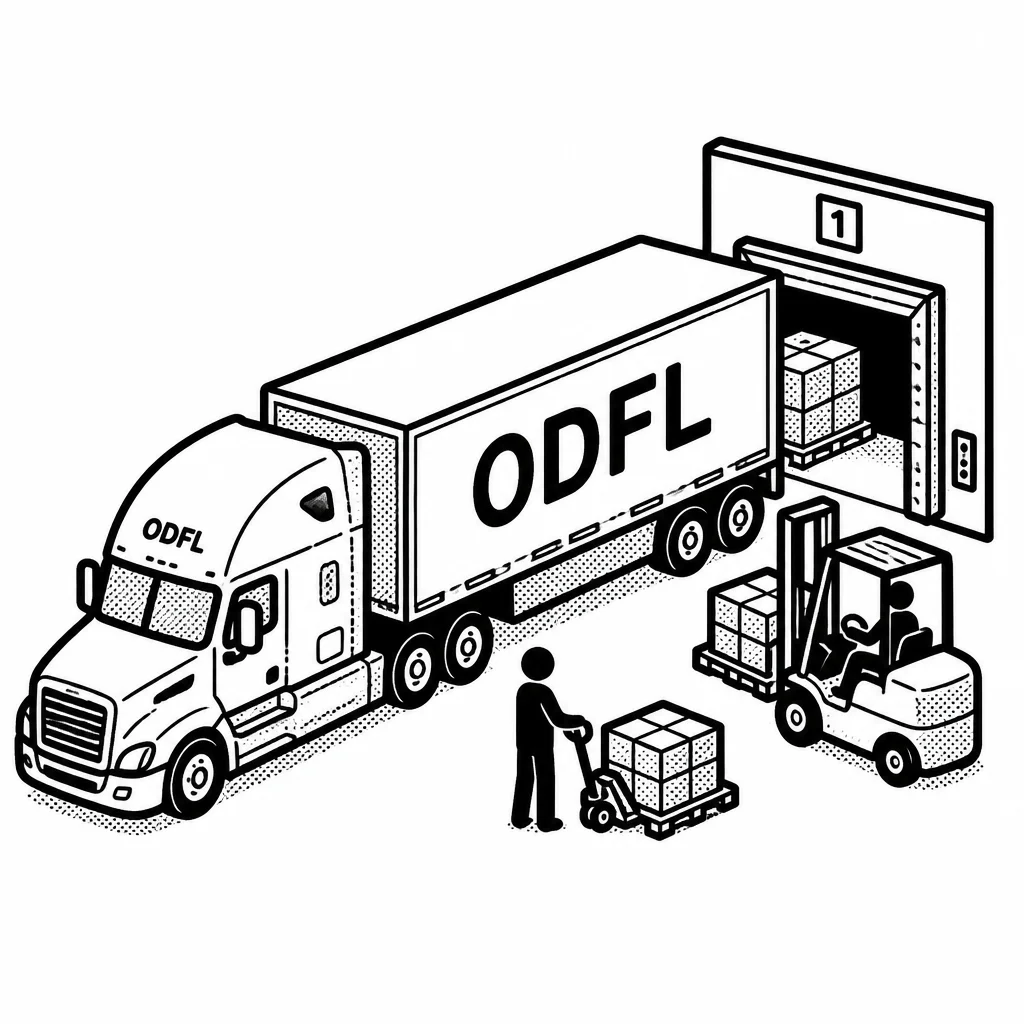
The business lives or dies on operational discipline. Freight arrives at a service center, gets sorted, and leaves again, and every hour a shipment sits on a dock is an hour it isn't earning money and a chance for it to get lost or damaged. Old Dominion is famous in the industry for running this dance better than almost anyone — on-time delivery, low damage rates, and careful cost control. That reputation lets it charge a bit more than competitors and still win business, because for a shipper, a late or damaged shipment can cost far more than the freight bill. Its main rivals are other big LTL carriers like XPO, Saia, and the freight divisions of FedEx and UPS. The company is based in Thomasville, North Carolina, a small town in the Piedmont region, and it grew from a single truck route started by Earl and Lillian Congdon in 1934 into one of the largest LTL carriers in North America. It runs a network of service centers across the United States and into Canada and Mexico, and it owns much of its equipment — tractors, trailers, and terminals — rather than leasing everything, which gives it control over maintenance and costs. It also runs a domestic container drayage business moving freight to and from ports and rail yards, plus a small truckload operation, though the core LTL network is where nearly all the money comes from.
Old Dominion has been a remarkable compounder for shareholders. Revenue grew from roughly $2.8 billion in 2015 to about $5.9 billion in 2023, and the company has stayed solidly profitable through freight downturns that badly hurt weaker rivals. It spends heavily on new terminals and trucks to keep growing, pays a small dividend, and buys back stock — repurchasing about 4% of its shares in 2023 alone — while carrying very little debt. The honest risk is that trucking is cyclical: when the economy slows, freight volumes fall and prices weaken, and even the best-run carrier feels it. Old Dominion's bet is that its service quality and cost discipline let it take market share from struggling competitors during downturns and come out stronger on the other side.
Saved answer · last researched 12 Nov 2026