Understand any stock in simple English
Enter a ticker to learn what the company does and how it makes money.
XPO, Inc.
XPO is a freight company that moves pallets of goods for businesses, mostly through less-than-truckload trucking in North America and transport services in Europe.
XPO is a freight mover. When a company has a shipment that is too big for a parcel carrier like FedEx or UPS but too small to fill an entire semi-truck, XPO is one of the companies it calls. XPO runs a less-than-truckload network in North America: it collects freight from many shippers, consolidates it at terminals, and sends each load onward on trucks that carry several customers' goods at once. The shipper pays for a slice of the trailer rather than the whole thing, and XPO keeps the network full.
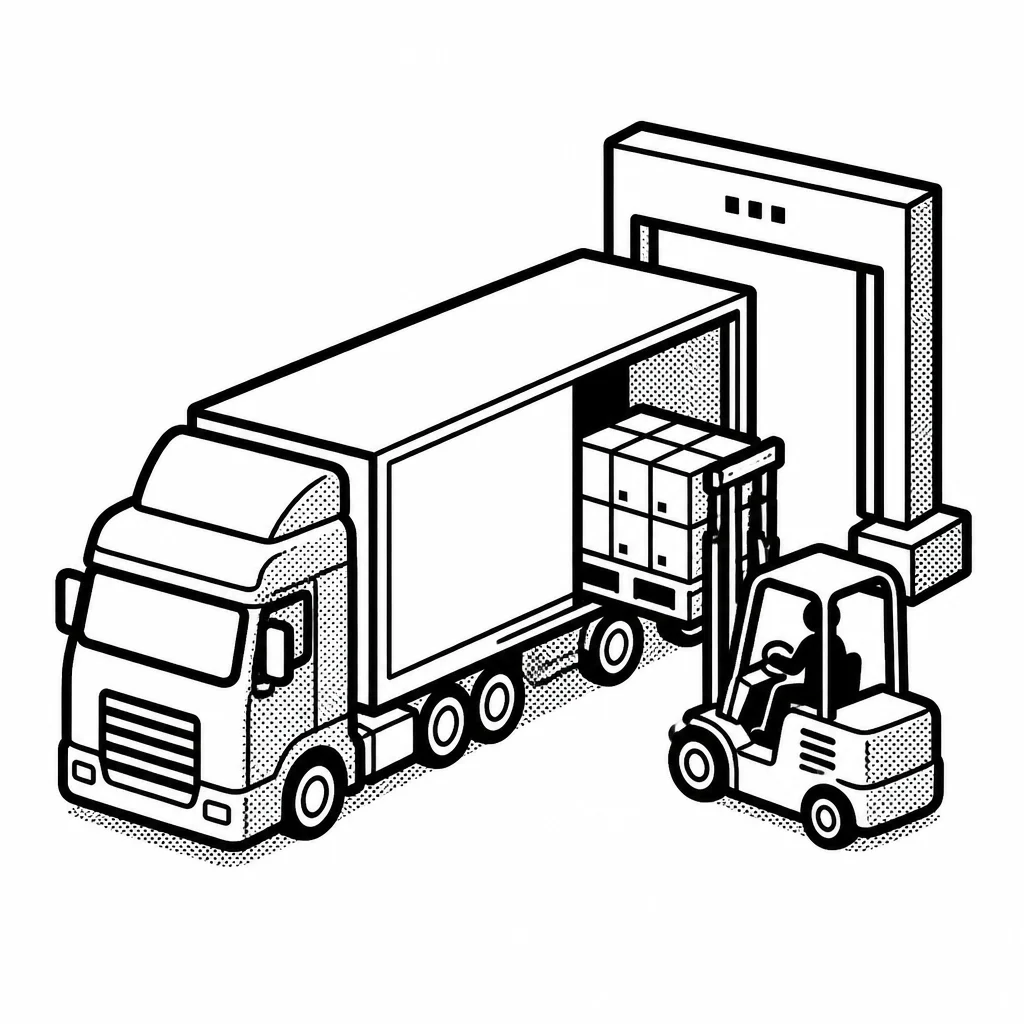
The other half of the business is European transport. XPO runs truckload, less-than-truckload, and managed transport services across Europe, mostly for industrial and consumer goods companies. That segment adds a second leg to the business and a second set of customers, so a soft North American freight market does not sink the whole company. Freight is a cyclical, unglamorous business. When the economy hums, factories ship more and XPO's trucks fill up; when it cools, volumes fall and pricing gets ugly. What XPO can control is its terminal footprint, its cost per shipment, and how efficiently it fills trailers — and it has spent years buying terminals and improving that network, which is the real reason a shipper picks it over a rival carrier.
XPO was once a sprawling acquisition machine under founder Brad Jacobs, buying dozens of businesses before spinning most of them off. Today it is a focused freight company, and it has been putting money into terminals and technology to win more of the freight that moves through its network.
Saved answer · last researched 14 Nov 2026