Understand any stock in simple English
Enter a ticker to learn what the company does and how it makes money.
MicroVision, Inc.
MicroVision makes lidar sensors and perception software that help machines like cars and robots see and understand the world around them.
MicroVision is a lidar company. Lidar works like radar, except it uses laser light instead of radio waves. It fires pulses of light, times how long they take to bounce back, and builds a detailed 3D map of whatever is in front of it. That map is what lets a car, a robot, or a security system know what is out there and how far away it is. MicroVision sells these sensors and the software that makes sense of the data to customers in automotive, industrial, security, and defense markets.
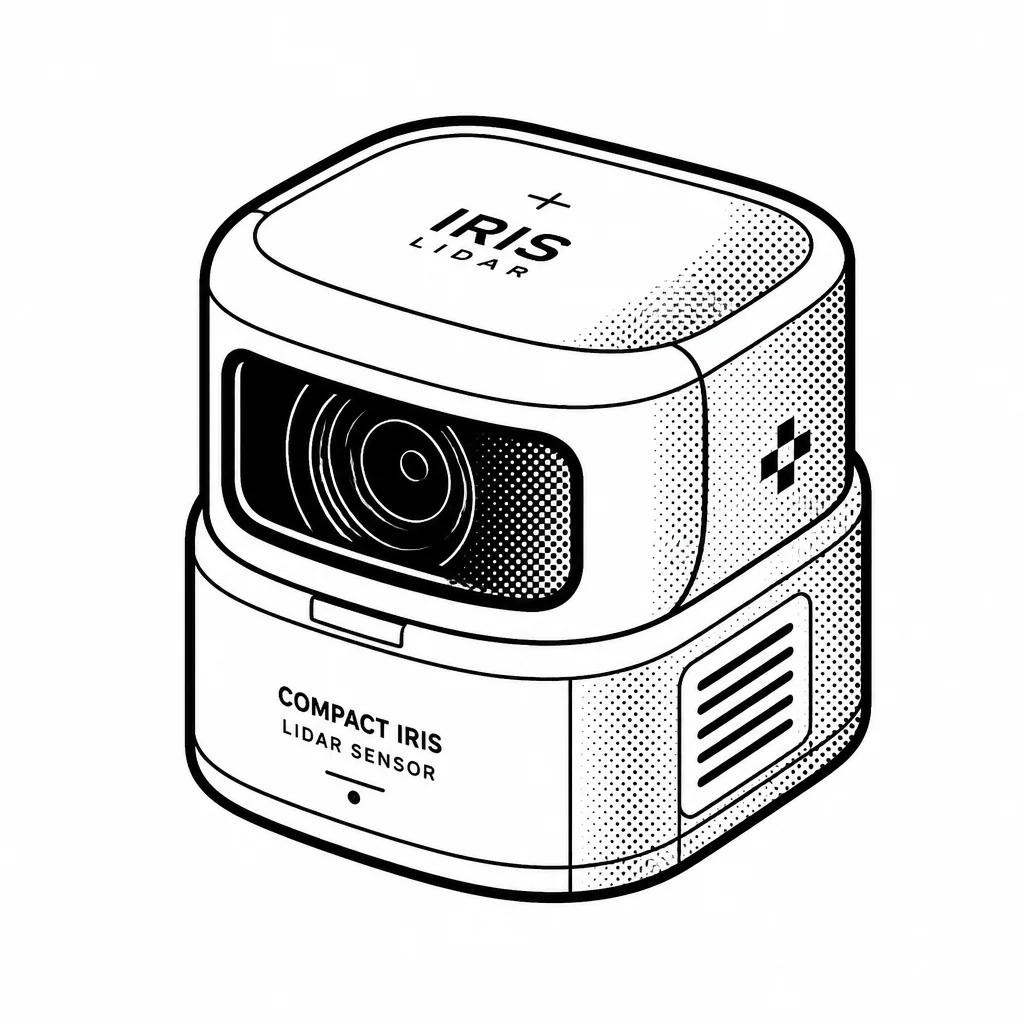
The company's main push is automotive. It has a sensor called MAVIN that is built for cars and trucks, the kind of eyes a vehicle needs to spot a pedestrian, a curb, or another car in bad weather or at night. It pairs that hardware with software it calls MOSAIK, a set of tools that turns raw laser data into something a car's computer can actually use. MicroVision sells directly to automakers and to the big suppliers that sell to automakers, so it depends on landing long, slow design wins that take years to turn into real revenue. This is a small company taking on a hard, expensive business. The lidar market is crowded, and MicroVision competes against players like Luminar, Ouster, and Hesai, as well as big suppliers and cheap camera-and-radar setups that automakers sometimes prefer. Lidar companies have a habit of burning through cash while they wait for carmakers to commit. MicroVision has run losses for years, and it has funded itself by selling shares and raising money rather than from profits.
The company began life in the 1990s as a maker of tiny display technology, the kind of mirror-based chips used inside projectors and early head-up displays. It spent decades being a clever but unprofitable little tech firm before pivoting hard into lidar. That history matters, because it explains both the company's engineering skills and its long stretch of depending on investors. The bet now is that cars, trucks, drones, and security systems will eventually all need cheap, reliable laser eyes, and MicroVision wants to be one of the suppliers that sells them.
Saved answer · last researched 16 Nov 2026