Understand any stock in simple English
Enter a ticker to learn what the company does and how it makes money.
Mitsubishi Electric Corporation
Mitsubishi Electric makes electrical and electronic equipment for infrastructure, industry, mobility, life, and semiconductors.
Mitsubishi Electric is a giant Japanese manufacturer that makes the electrical and electronic equipment most of us never notice but quietly depend on. Its products keep trains running, factories humming, buildings comfortable, and data moving. The company sells to utilities, industrial firms, building owners, and chipmakers — not usually to you directly. If you have ridden a train in Japan or looked at a factory floor full of automation, you have probably touched its handiwork without knowing it.
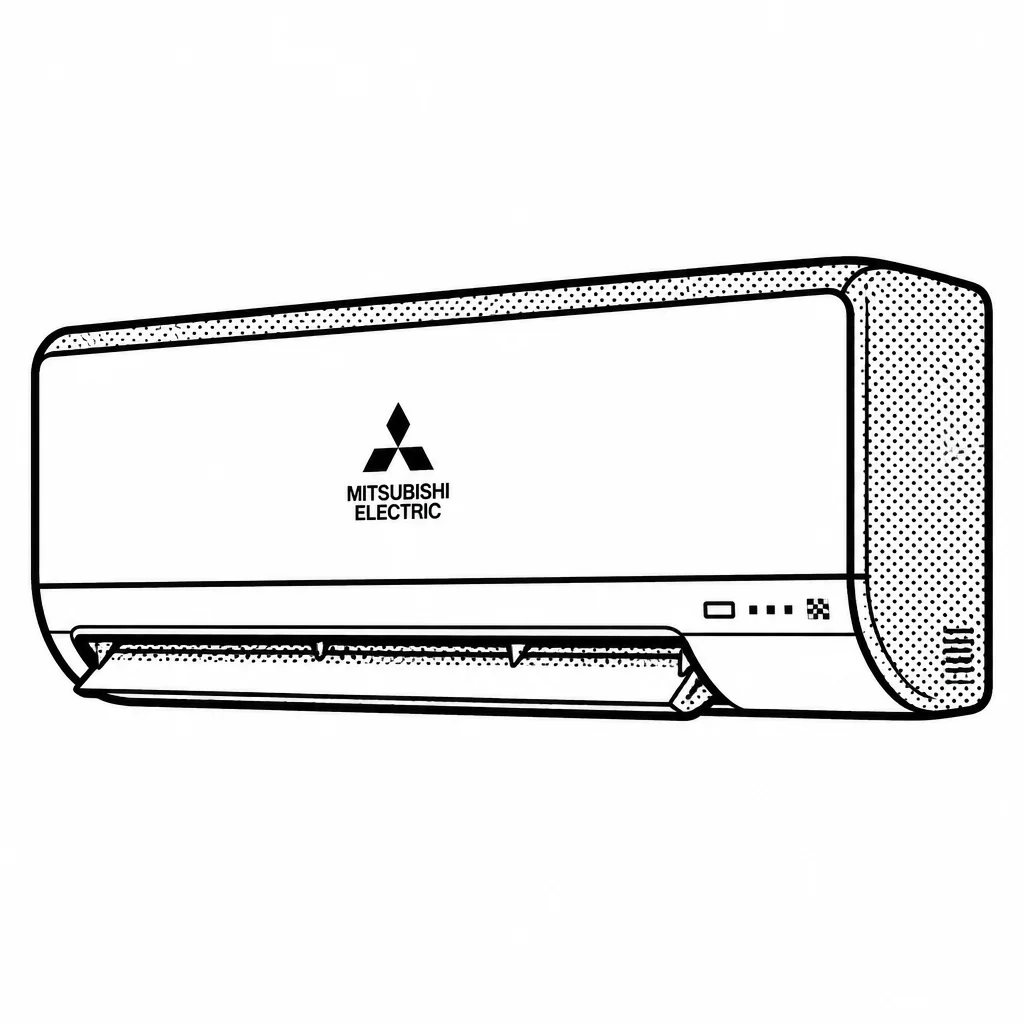
The business splits into a handful of overlapping segments. Its infrastructure arm sells power systems, transmission equipment, and railway gear. Its industrial automation arm sells the factory controls, motors, and robots that keep production lines moving. Its life and building products include elevators, escalators, air conditioning, and ventilation. It also makes semiconductors and electronic devices, plus the air conditioners and home electronics that carry the brand into households. The thread tying all of this together is heavy electrical engineering — power, control, and motion — sold to organizations that need reliability over everything else. Customers pay for uptime and engineering depth. When a utility buys switchgear or a factory buys a control system, the last thing it wants is a cheap part that fails. Mitsubishi Electric's edge is a century-old reputation for quality, a sprawling service network, and the fact that it builds many of its own components rather than buying everything off the shelf. That matters in semiconductors especially, where the company sells power chips that go into electric vehicles, trains, and industrial gear — a segment riding the shift toward electrification.
The company is not a pure growth story. It faces fierce competition from rivals like Siemens, ABB, and Hitachi, and its conglomerate structure means slower-moving segments can drag on faster ones. Management has been pushing to sharpen the portfolio and return more cash to shareholders through dividends and buybacks while investing in power semiconductors and factory automation. For a company this old and this large, the real question is whether it can stay nimble as electrification and automation reshape its markets — and so far it keeps finding new demand for the same core skill: moving and controlling electricity reliably.
Saved answer · last researched 14 Nov 2026