Understand any stock in simple English
Enter a ticker to learn what the company does and how it makes money.
Lerøy Seafood Group ASA
Lerøy Seafood farms, processes, and sells salmon, trout, and other seafood to customers around the world.
Lerøy Seafood is one of the world's big salmon farmers. It raises fish in the cold coastal waters of Norway, slaughters and processes them, and then sells them onward — whole fish, fillets, smoked and frozen products — to supermarkets, restaurants, and seafood distributors in Europe, Asia, and North America. If you have bought a salmon fillet in a European grocery store, there is a decent chance Lerøy had a hand in getting it there.
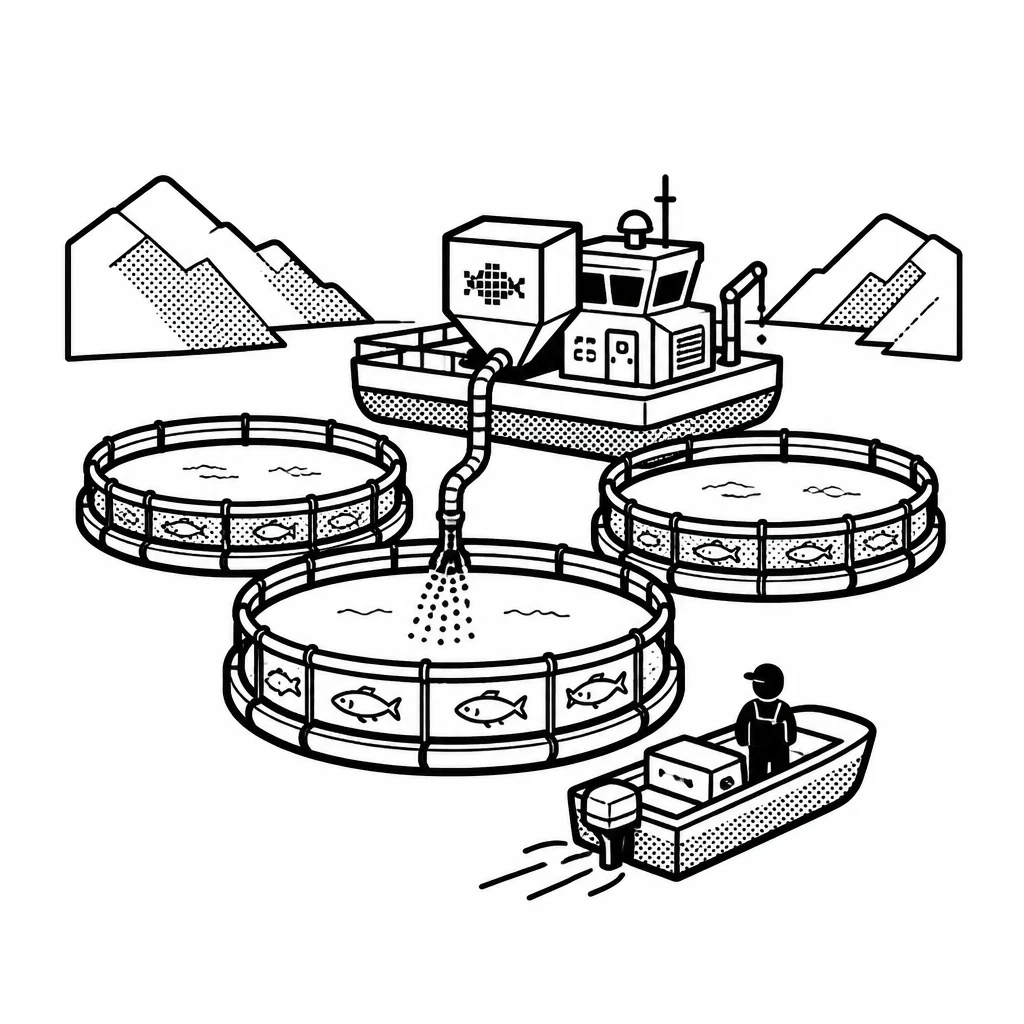
The company is really two businesses stitched together. One is fish farming: it owns the licenses, boats, and hatcheries, and it takes on the biological risk of growing fish from tiny smolt to full-size salmon over roughly a year and a half. The other is processing and sales, where it buys fish — some from its own farms, plenty from other farmers — and turns it into the cuts and packaged products customers actually want. That second half is a volume business with thin margins, but it keeps Lerøy plugged into what retailers are asking for and gives it a place to sell its own fish. The wild cards in salmon farming are biology and price. Sea lice, disease, and algae blooms can wipe out a year's growth, and the salmon price swings wildly with global supply. Lerøy has invested heavily in post-smolt facilities — growing fish larger on land before moving them to sea — which shortens their time in open water and reduces the risk. It also owns a majority stake in a Scottish salmon farmer, giving it a second production base outside Norway.
Lerøy is controlled by the Møgster family through a holding company, and it sits among the big Norwegian salmon players like Mowi and SalMar. It pays out a meaningful chunk of its profits as dividends rather than hoarding cash. The simple version: Lerøy is a bet on the world eating more salmon, run by a family that has been in the fish business for generations.
Saved answer · last researched 14 Nov 2026