Understand any stock in simple English
Enter a ticker to learn what the company does and how it makes money.
SalMar ASA
SalMar farms, harvests, and sells salmon raised in Norwegian and international waters, selling to seafood buyers around the world.
SalMar is one of the world's largest salmon farmers. It raises salmon from tiny eggs in hatcheries all the way to full-grown fish in the sea, then harvests, processes, and sells them to customers around the world. If you've eaten Norwegian farmed salmon at a restaurant or bought it at a grocery store, there's a decent chance SalMar had a hand in getting it there.
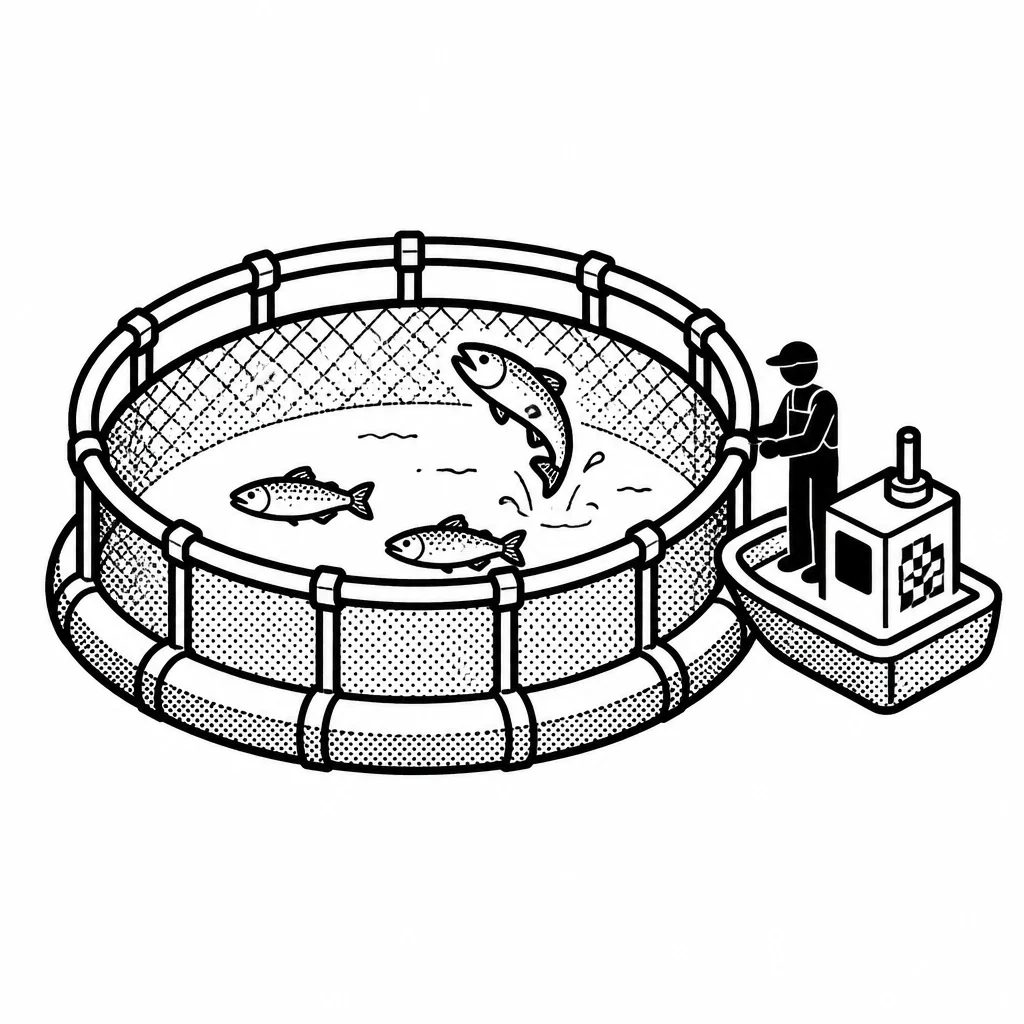
The business works like underwater farming. Salmon are born and raised in freshwater hatcheries on land, then moved to open-net pens in cold coastal waters where they grow for roughly a year to a year and a half. SalMar owns the whole chain — hatcheries, sea sites, harvesting plants, and processing — which matters because it controls quality and cost at every step rather than buying fish from others. Its main markets are Europe and Asia, with salmon sold fresh, frozen, and processed to retailers, food service companies, and seafood distributors. What makes salmon farming hard, and what shapes SalMar's fortunes, is biology. Sea lice, disease, algae blooms, and storms can wipe out a crop, and the fish take over a year to grow, so the company can't quickly turn production up or down when prices move. Salmon prices swing wildly based on global supply, and SalMar's profits follow those swings. The company has invested heavily in offshore farming technology — large enclosed pens placed further out at sea to escape lice and rough coastal conditions — betting that this is how the industry grows in the future. It also expanded internationally, including in Iceland, to spread its production beyond Norway's strict licensing limits.
SalMar's structure is unusual: it grew out of a family fishing business founded in the early 1990s on the island of Frøya in central Norway, and the founder's family remains a major owner. Norway's government caps how much salmon any company can farm through a licensing system, which protects incumbents like SalMar but also limits growth — so the company grows by buying licenses, improving productivity per license, and expanding abroad. Competitors include Mowi, the world's largest salmon farmer, and Lerøy Seafood Group, both also Norwegian. Salmon farming is a genuinely controversial industry, criticized over escaped fish mixing with wild stocks and pollution under pens, and SalMar's results remain hostage to both fish health and the global price of salmon.
Saved answer · last researched 15 Nov 2026