Understand any stock in simple English
Enter a ticker to learn what the company does and how it makes money.
Samsung Biologics Co., Ltd.
Samsung Biologics is a contract manufacturer that makes biologic medicines, such as antibody drugs, for other pharmaceutical companies.
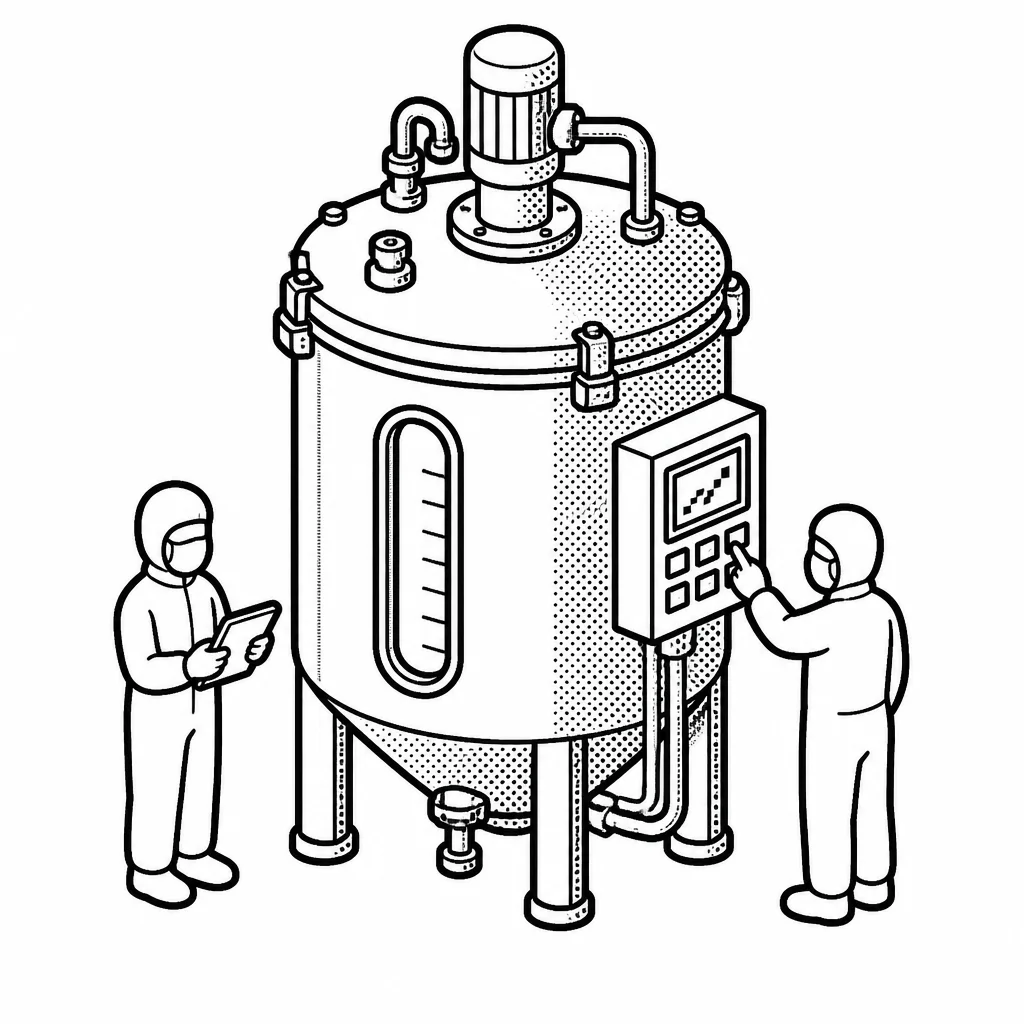
Samsung Biologics is a contract drug manufacturer. It does not invent most of the medicines it makes. Instead, global pharmaceutical companies hand it the recipe for a biologic drug — a medicine grown inside living cells rather than mixed from chemicals — and Samsung Biologics builds and runs the giant stainless-steel tanks, called bioreactors, where those cells brew the drug. The company's main job is making antibody-based medicines for other firms at its plants in Incheon, South Korea, near Seoul.
The business runs on trust and precision. Biologic drugs are fragile and complicated, and regulators demand proof that every batch is identical, so switching manufacturers is painful for a drugmaker. That gives an established plant like Samsung Biologics real pricing power and sticky customers, who sign multi-year contracts. The company started with a single plant in 2011 and has expanded to multiple facilities, including a fully automated "super plant," making it one of the largest biologics manufacturers in the world by capacity. It also bought a U.S. plant from Bristol Myers Squibb in 2025 to add capacity and a foothold in the American market. Beyond simply filling orders, Samsung Biologics has pushed into contract development — helping clients design and test a molecule before mass-producing it — through its CDO business, and it has a biosimilars arm that makes lower-cost copies of complex biologic drugs. Its biggest customers are the large pharma companies that need extra manufacturing muscle, and its main rivals are other contract manufacturers like Lonza and WuXi Biologics.
The business throws off cash because these plants are expensive to build but cheap to run once full. Samsung Biologics reinvests heavily in new capacity, which is the whole game here: more tanks, more plants, more multi-year contracts. The big risks are the same ones that make the business valuable — a manufacturing mistake can halt production and scare off customers, and the company depends on a handful of large clients whose demand can shift. It also sits in a geopolitically sensitive corner of the supply chain, as the U.S. and China jostle over biotech manufacturing.
Saved answer · last researched 12 Nov 2026