Understand any stock in simple English
Enter a ticker to learn what the company does and how it makes money.
ISA Energía Brasil S.A.
ISA Energía Brasil builds and operates the high-voltage transmission lines that carry electricity across Brazil, earning regulated fees for moving power from where it's made to where it's used.
ISA Energía Brasil owns and runs the giant power lines that move electricity around Brazil. Think of the country's electrical system as a highway network: someone has to build and maintain the long-distance roads that connect faraway power plants to the cities and towns that need the juice. That's this company. It doesn't generate electricity or sell it to your home — it moves it, from big hydroelectric dams and wind farms in remote regions to the grids run by local distribution utilities and large industrial customers. It operates thousands of kilometers of high-voltage lines and substations, mostly in the state of São Paulo but stretching into other parts of the country.
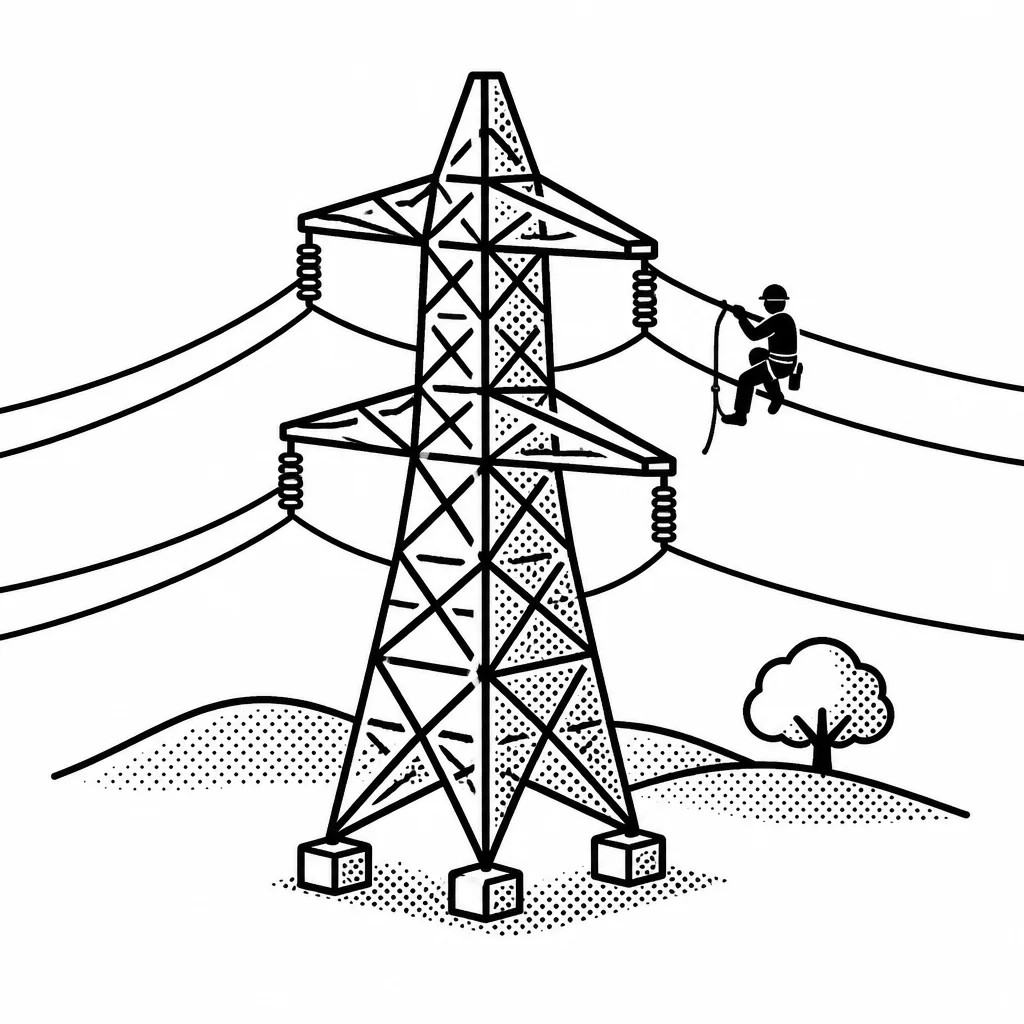
The money side is straightforward and unusually steady. Transmission companies like this one don't haggle with customers over price. Brazil's electricity regulator sets the rates they can charge and guarantees them a return on the assets they've built, collecting the money through a nationwide transmission charge baked into everyone's power bill. The company earns its return by keeping its lines and substations running reliably — the less its equipment fails, the better the economics. That regulated model makes it a low-drama, bond-like business: steady cash flow, predictable revenue, but limited room to grow except by winning new line projects at government auctions or buying existing ones. It faces competition from other transmission operators — including Taesa, Eletrobras, and Alupar — whenever the government auctions off new concessions, though once a company wins a concession, it holds it for decades. A useful bit of history explains the name. The company was long known as CTEEP, and for years it was majority-owned by the state of São Paulo. In 2017, the Colombian infrastructure group ISA — itself controlled by Colombia's state oil company, Ecopetrol — took control, and the company later rebranded. ISA Energía Brasil still counts Ecopetrol, through ISA, as its controlling shareholder. The company is listed on the São Paulo stock exchange (B3), which lets outside investors own a slice of those regulated cash flows, typically collected as dividends.
For investors, the appeal is the steady stream of cash the lines throw off. Because spending on new projects is lumpy and the regulator guarantees returns, the company tends to pay out a healthy share of its earnings as dividends, and its shares trade partly as an income play. The risks are mostly regulatory and operational: changes to how Brazil sets transmission tariffs, delays or cost overruns on new projects, and the constant job of keeping aging equipment from failing. In short, it's a quiet but essential piece of Brazil's power system — the toll road that electricity travels on, paid for by everyone who flips a light switch.
Saved answer · last researched 12 Nov 2026