Understand any stock in simple English
Enter a ticker to learn what the company does and how it makes money.
Alupar Investimento S.A.
Alupar builds and operates electricity transmission lines and renewable power plants in Latin America, earning most of its money from the regulated fees utilities pay to move power across its network.
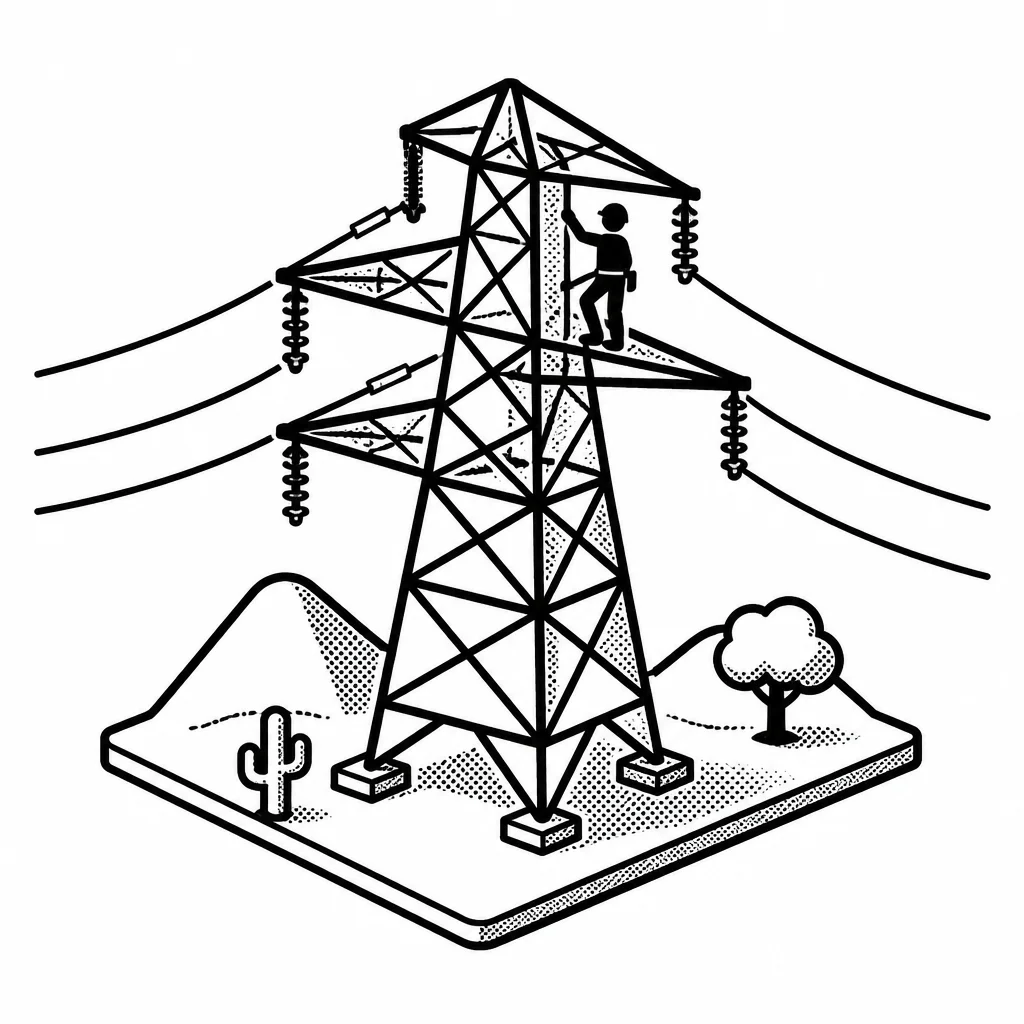
Alupar is an electricity transmission company first. It owns long stretches of high-voltage power lines and the substations that connect them, and it earns money because power has to travel from where it is generated — big hydro dams in the Amazon, wind farms in the northeast — to the cities and factories that use it. Transmission in Brazil is a regulated business: Alupar wins long-term contracts, often thirty years, and gets paid an annual fee by the grid operator, adjusted for inflation. That makes the revenue unusually steady and predictable, more like a toll road than a typical industrial company.
Alongside the wires, Alupar also owns and operates renewable power plants, mainly hydroelectric and wind, selling the electricity they produce. It operates across Brazil, Colombia, Peru and Chile, which spreads its risks across different currencies and regulatory regimes but also adds complexity. The transmission side pays the bills; the generation side adds upside when power prices are high and drag when they are not. The business runs on heavy upfront spending. Alupar borrows, builds a line or a plant, and then collects steady fees for decades, so debt is a core part of the model and interest rates matter a lot to it. Its main edge is winning concessions and executing projects cheaply, but it competes with big players like Eletrobras and Engie Brasil for contracts, and its returns depend heavily on government regulators setting fair tariffs. The company pays out a meaningful share of its cash flow as dividends, which is a big part of why investors own it.
The biggest question for Alupar is simple: can it keep winning new projects and keep regulators on its side while carrying a large debt load? Transmission is a boring, beautiful business when the rules stay stable. When they don't, the toll road gets a lot less comfortable.
Saved answer · last researched 12 Nov 2026