Understand any stock in simple English
Enter a ticker to learn what the company does and how it makes money.
Iron Mountain Incorporated
Iron Mountain stores and protects physical and digital records for organizations, and increasingly runs data centers and asset lifecycle services.
Iron Mountain is the company many businesses trust with the stuff they can't lose and can't easily store themselves—paper files, backup tapes, and increasingly digital data. If your hospital, law firm, or government office has boxes of records it legally must keep but rarely touches, there's a good chance those boxes sit in an Iron Mountain warehouse. The company picks them up, catalogs them, stores them, and delivers them back when someone needs to see them.
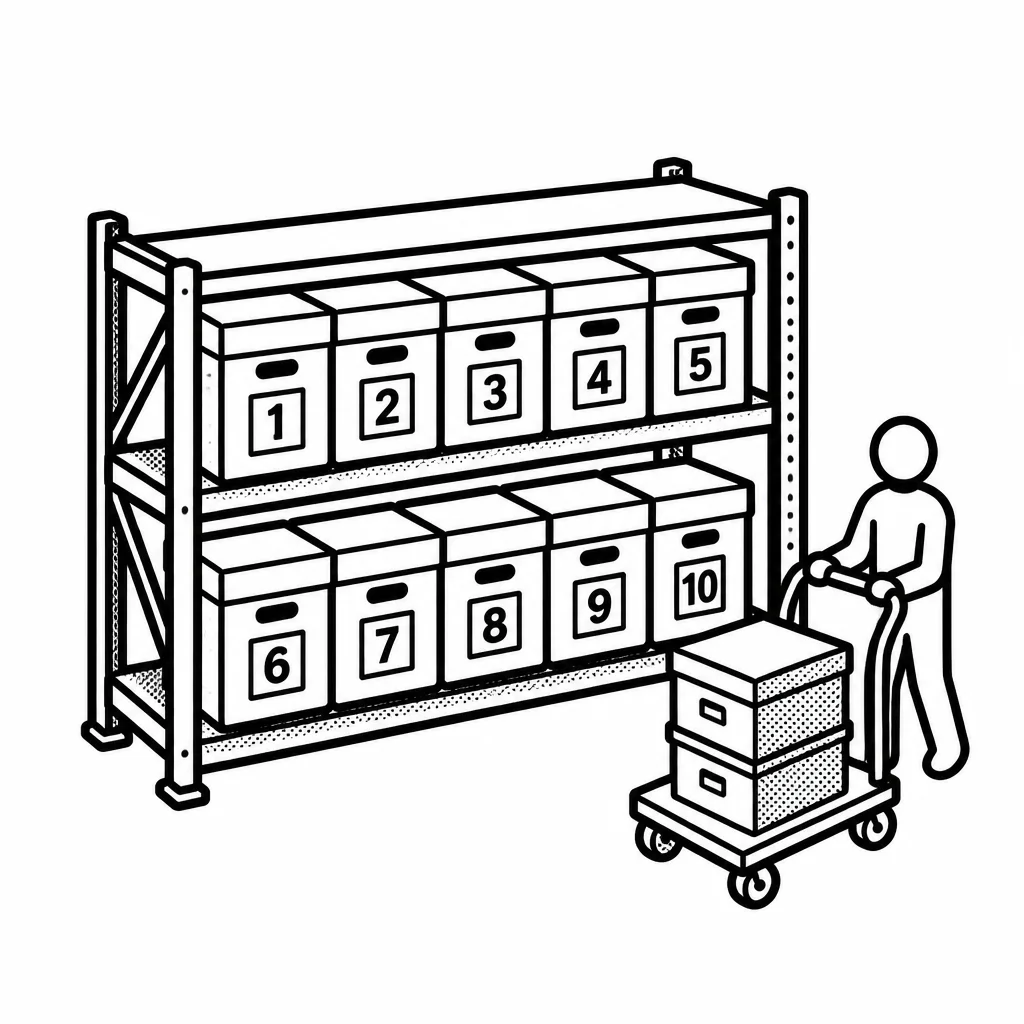
The core business works like a subscription for physical storage. Customers pay recurring fees based on how much they store and how often they need retrieval. Because records are often kept for years or decades, and pulling them out is a hassle, customers tend to stay put—switching means moving thousands of boxes and trusting someone new. That stickiness makes Iron Mountain's revenue unusually steady, and it has paid shareholders a dividend for years while also buying back stock. Iron Mountain has spent the last decade pushing beyond paper. It shreds and recycles documents through its secure destruction service, and it has become a real player in data centers—leasing space and power to companies that need to house servers. It also runs asset lifecycle services, helping organizations decommission and resell old IT equipment securely. These newer lines matter because paper storage grows slowly, while data center demand has been booming thanks to cloud computing and artificial intelligence workloads.
The company's main vulnerability is that paper records, while durable, are a mature, slow-growing business. Rivals include Equinix and other data center operators on the digital side, plus regional records managers on the storage side. Iron Mountain's bet is that its trusted brand, huge real estate footprint, and long customer relationships let it convert a boring legacy business into a growing one. It's a bit like a company that started renting out basement space and then realized the basement could also hold servers.
Saved answer · last researched 12 Nov 2026