Understand any stock in simple English
Enter a ticker to learn what the company does and how it makes money.
Formosa Petrochemical Corporation
It turns crude oil into fuel and petrochemicals, and makes electricity and steam that it sells to factories and businesses.
Formosa Petrochemical is a giant oil refinery and chemical maker in Taiwan. It buys crude oil, cooks it into things like gasoline, diesel, and the basic building blocks for plastics, then sells those to industrial and commercial customers. It also runs power plants and boilers that produce electricity and steam, which it sells to factories that need steady heat and power.
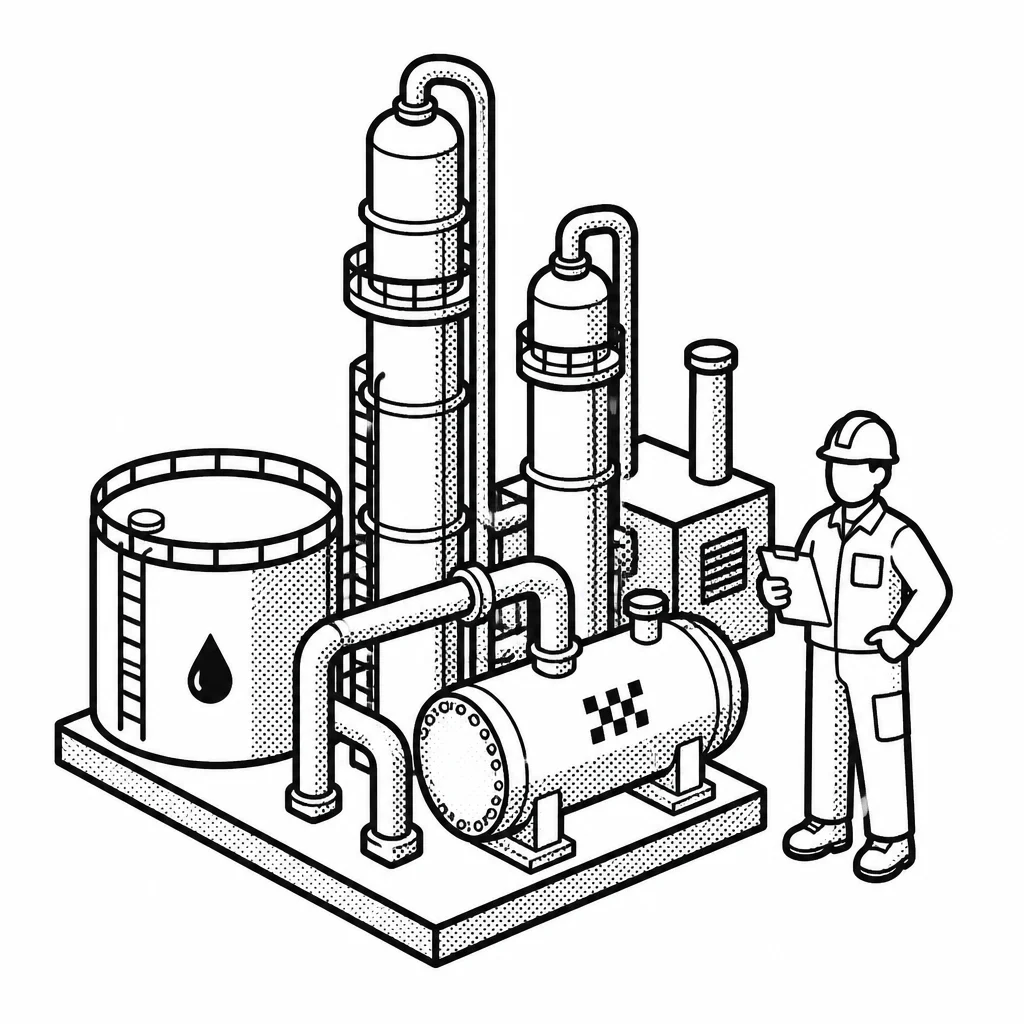
The company is part of the Formosa Plastics Group, a sprawling Taiwanese industrial empire founded by Wang Yung-ching, who started as a small timber merchant and built one of Asia's biggest petrochemical conglomerates. Formosa Petrochemical's refineries sit in Mailiao, a massive coastal industrial park in central Taiwan that the group built largely from scratch, turning a stretch of reclaimed land into a self-contained complex of refineries, chemical plants, and a power station. The business rides on the "crack spread" — the gap between what crude oil costs and what refined products sell for — and on the chemical margins for its plastic raw materials. When oil prices swing or demand for plastics weakens, profits can vanish fast. China's growing petrochemical capacity has added pressure, since it produces more of the chemicals that Formosa sells into Asian markets. Its refineries and plants are also concentrated in one place, so a fire, typhoon, or regulatory shutdown at Mailiao can hurt output badly.
Formosa Petrochemical is a cash-generating, dividend-paying kind of company rather than a growth story. It spends heavily on maintaining and upgrading its plants, and returns much of the rest to shareholders. It competes with regional refining and chemical giants such as Formosa Chemicals & Fibre in its own group and China Petroleum & Chemical across the strait, but its real edge is scale and integration — crude oil goes in one end, and fuels, plastics, and electricity come out the other, all on one site.
Saved answer · last researched 12 Nov 2026