Understand any stock in simple English
Enter a ticker to learn what the company does and how it makes money.
Indian Bank
Indian Bank takes deposits from people and businesses and lends that money out as loans, earning the difference as profit.
Indian Bank is a bank you can walk into. It takes money from people and businesses as deposits, then lends that money out as home loans, car loans, business loans, and farm loans, and it keeps the gap between what it pays savers and what it charges borrowers. For a huge swath of Indians, it is where a salary account, a fixed deposit, or a small shop's working capital loan simply lives.
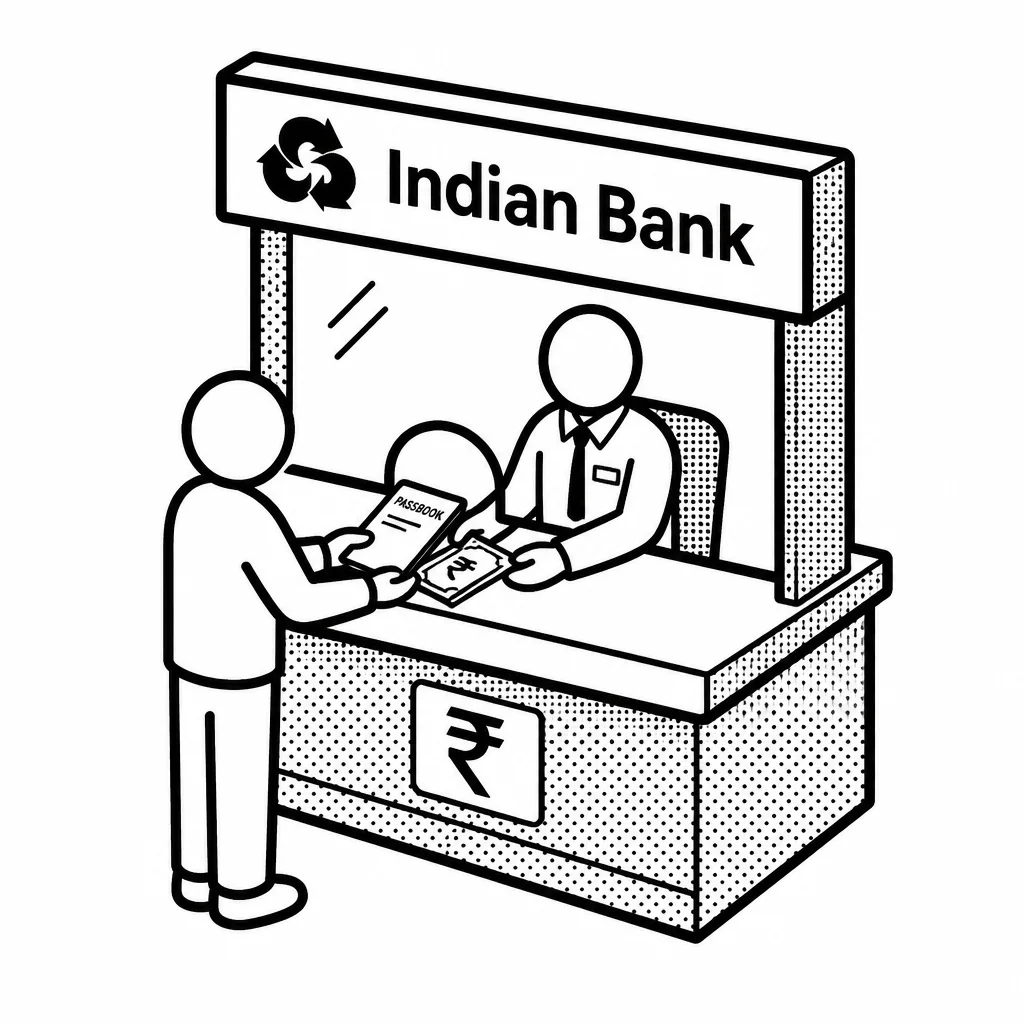
It is one of India's older public sector banks, owned substantially by the government of India, and it leans toward ordinary customers rather than glamorous corporate clients. Its roots go back over a century, and its big modern turning point was merging with Allahabad Bank in 2020, which made it meaningfully larger overnight. Today it runs a large branch network across the country and earns most of its money from plain lending: retail loans, loans to small and mid-sized businesses, and agricultural credit, with corporate lending making up a smaller slice. It also sells insurance and other products through its branches for extra fee income. Banks like this live and die on two things. First, the gap between interest earned on loans and interest paid on deposits — a thin spread multiplied across a giant book of loans. Second, loan quality: how much of what it lends actually comes back. Indian Bank has worked hard in recent years to clean up bad loans, and its profitability has improved as those old problems shrank. It faces constant competition from private banks such as HDFC Bank and ICICI Bank, which are often seen as faster and more digital, and from other state-run peers. Its edge is reach and trust among ordinary Indians, especially in smaller towns where a familiar bank branch still matters.
As a government-backed lender, it carries a public mission too — things like priority lending to farmers and small businesses — which can be both a strength and a drag. It pays dividends to shareholders when it does well, and like most banks it is watched closely by regulators. The simple way to judge it: does its lending spread stay healthy, and do its borrowers keep paying?
Saved answer · last researched 12 Nov 2026