Understand any stock in simple English
Enter a ticker to learn what the company does and how it makes money.
ICICI Bank Limited
ICICI Bank takes in deposits from savers and lends that money out as loans to people and businesses, earning the difference as profit.
ICICI Bank is one of India's largest private banks. It does the everyday things you'd expect: it holds people's savings and checking accounts, gives out home and car loans, issues credit cards, and runs a big network of branches and ATMs across the country. For businesses, it provides loans, handles payments, and helps companies manage their money.
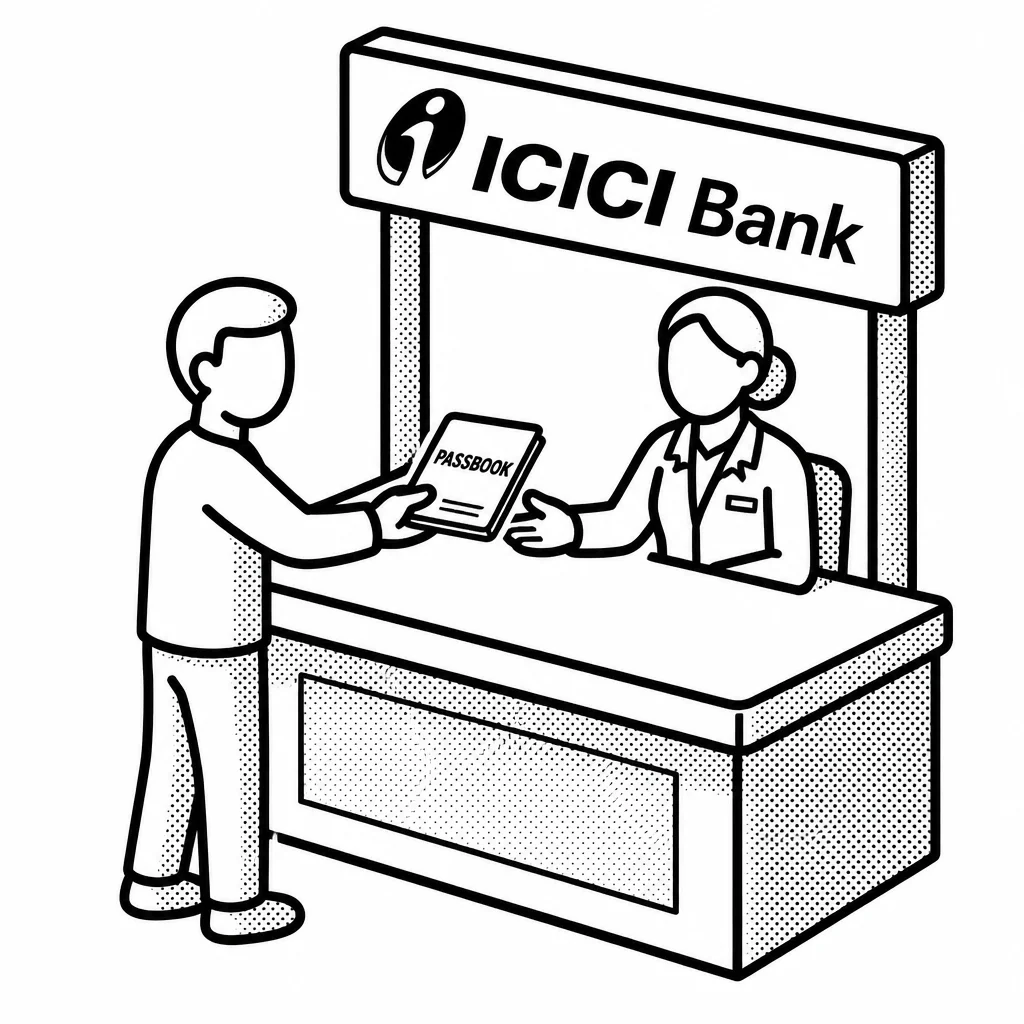
The bank makes most of its money the old-fashioned way. It pays depositors a little interest, lends money to borrowers at a higher rate, and keeps the spread. It also earns fees from things like credit cards, wealth management, insurance sales, and trading in currencies and securities. A large chunk of its profit comes from lending to regular consumers—home loans, personal loans, and car loans—which is a deliberate shift it made over the past decade toward steadier, safer retail banking rather than risky corporate lending. That shift matters because it explains both the bank's strength and its history. In the 2000s, ICICI grew fast by lending heavily to big companies and infrastructure projects. When the global financial crisis hit and many Indian corporate borrowers struggled, the bank's bad loans piled up and its stock suffered. Under CEO Sandeep Bakhshi, who took over in 2018, it cleaned up the books, tightened lending standards, and focused on consumers and small businesses. The result has been strong profit growth and some of the best asset quality among large Indian banks in recent years.
Its main competitors are other big private banks like HDFC Bank and Axis Bank, plus state-owned giants like State Bank of India. ICICI's edge comes from its huge digital presence—its mobile app handles billions of transactions—and its vast customer base. The bank pays a dividend and has been buying back shares too, returning cash to investors as it generates more than it needs to fund growth. The main risks are familiar to any bank: a weak economy can make borrowers default, and competition for deposits can squeeze the interest spread it earns.
Saved answer · last researched 12 Nov 2026