Understand any stock in simple English
Enter a ticker to learn what the company does and how it makes money.
The GPT Group
GPT Group owns and manages a diversified portfolio of Australian retail, office, and logistics properties, earning money mainly from rent and property management.
GPT Group is one of Australia's big listed property trusts, a landlord that owns shopping centres, office towers, and warehouses. If you have ever walked through a suburban mall or worked in a city office block in Australia, there is a decent chance GPT owns the building. The company is a real estate investment trust, or REIT, which is a structure that lets ordinary investors own a slice of a large property portfolio and collect rent as dividends.
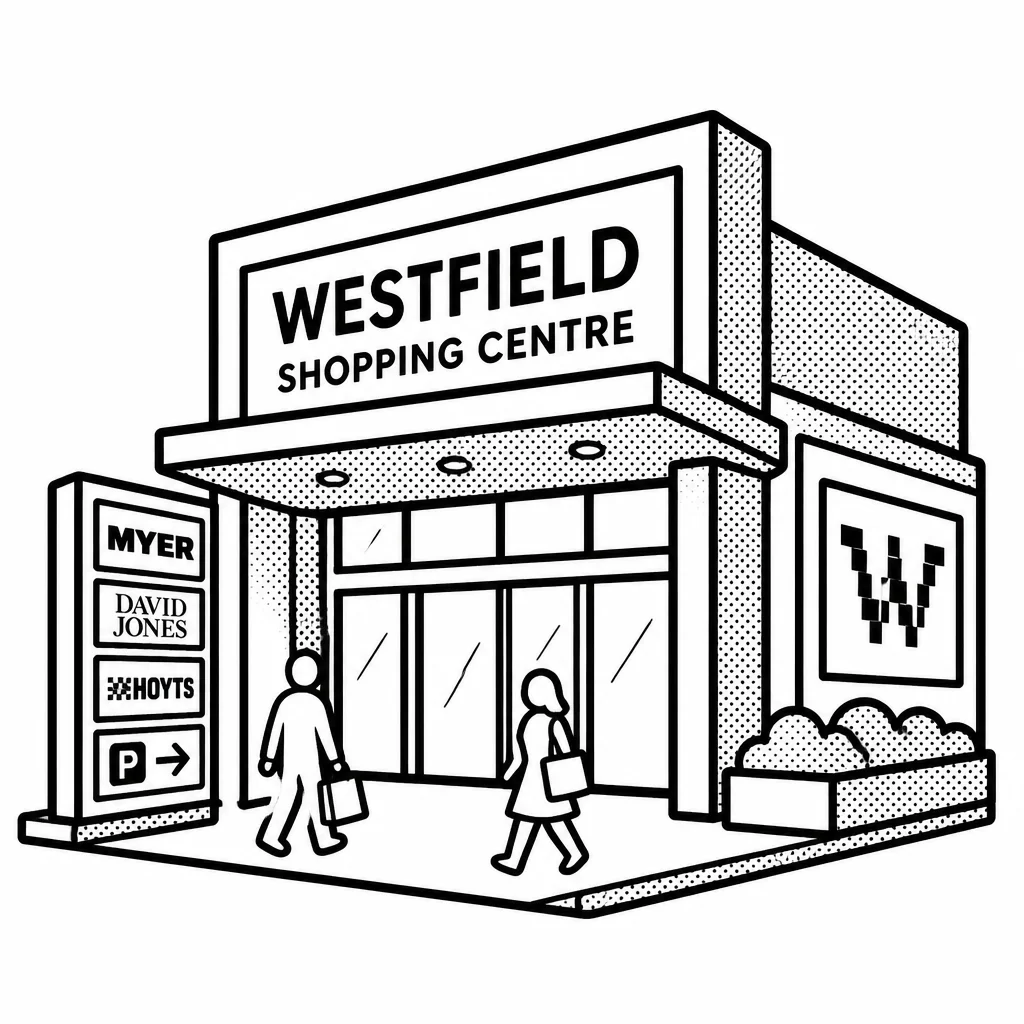
Its business splits into three parts. Retail is the biggest and most famous: GPT owns and runs major shopping centres around the country, collecting rent from retailers like supermarkets, fashion chains, and cafes. Office covers CBD towers leased to big companies and government tenants. The third piece, logistics, is the newer growth engine — giant warehouses that hum with trucks and packages as online shopping grows. Each segment earns money the same basic way: sign leases, collect rent, keep occupancy high, and raise rents over time. Property trusts like GPT are sensitive to interest rates, because they borrow heavily to buy buildings and because their dividend yields compete with bond yields. When rates rise, REITs often get punished; when rates fall, they tend to rally. GPT also makes money beyond rent by developing new buildings and selling assets, but rent is the steady heartbeat. Its main competitors are other large Australian landlords such as Stockland and Dexus, all fighting for the same tenants and the same investors.
GPT pays out most of its income as distributions, which is the whole point of a REIT — investors buy it for steady income rather than explosive growth. The company has spent years reshaping its portfolio, recycling capital out of older office assets and into logistics and quality retail, betting that where people shop and how goods move will matter more than how much desk space companies rent. That is the tension worth watching: a landlord with a good portfolio still has to navigate a world where interest rates, online shopping, and hybrid work keep redrawing the map.
Saved answer · last researched 12 Nov 2026