Understand any stock in simple English
Enter a ticker to learn what the company does and how it makes money.
Stockland Corporation Limited
Stockland is a big Australian property company that builds and owns homes, shopping centres, offices and warehouses, and collects rent from the buildings it owns.
Stockland is one of Australia's largest property groups, and it makes money in two main ways: it develops land and buildings to sell, and it owns buildings that pay it rent. On the development side, it buys big chunks of land on the edges of cities, adds roads, parks and services, and sells house-and-land packages to families. It also builds and sells townhouses and apartments, retirement villages, and industrial warehouses. On the ownership side, it holds shopping centres, offices and logistics warehouses, and collects rent from the businesses that occupy them.
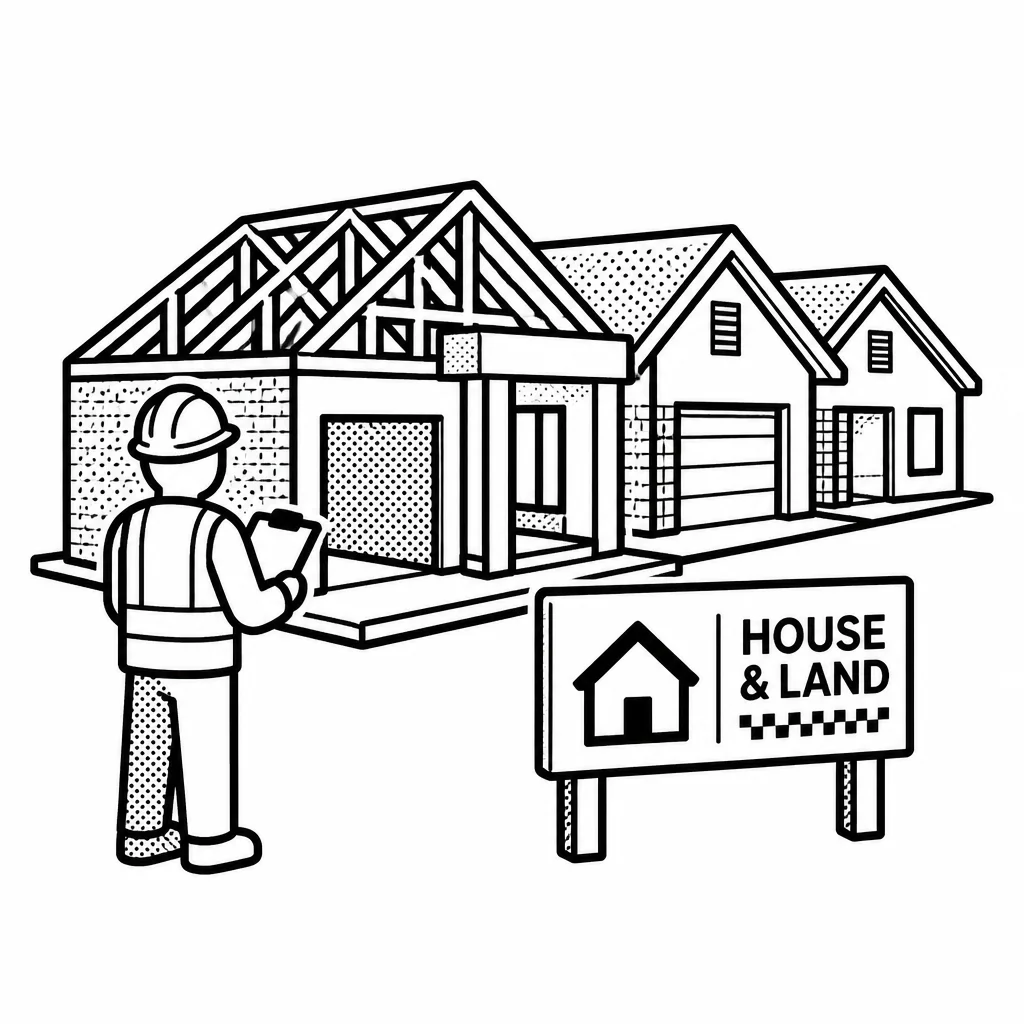
The rental side is the steadier part. Shopping centres are the classic example: Stockland owns the building, tenants like supermarkets and chain stores pay rent, and shoppers keep coming because the centre is convenient. Stockland also owns workplaces and logistics warehouses, which have become a bigger focus as online shopping boosts demand for storage and delivery space. These assets are typically held in funds and trusts, with Stockland earning fees and a share of the returns, which lets it grow without tying up all its own cash. Like any property developer, Stockland is exposed to interest rates, housing demand and construction costs. When rates rise, mortgages get more expensive, buyers get nervous, and land sales slow. When rates fall, the opposite happens. The company has been reshaping its portfolio in recent years, selling some non-core assets and putting more weight on logistics and workplace properties, while still running its large residential communities business. It also runs a retirement living business, which adds another source of recurring income from older Australians.
Stockland is listed on the Australian Securities Exchange and is a major dividend payer, which is a big reason many Australians own it through their superannuation funds. Its scale and diversification across housing, retail, offices and warehouses make it a broad bet on Australian property rather than a pure play on any single segment. The core appeal is simple: it sells land and buildings to people who need them, and collects rent from the buildings it keeps.
Saved answer · last researched 12 Nov 2026