Understand any stock in simple English
Enter a ticker to learn what the company does and how it makes money.
Grupo Mateus S.A.
Grupo Mateus runs a large chain of supermarkets and wholesale cash-and-carry stores across Brazil, selling food and household goods to everyday shoppers and small retailers.
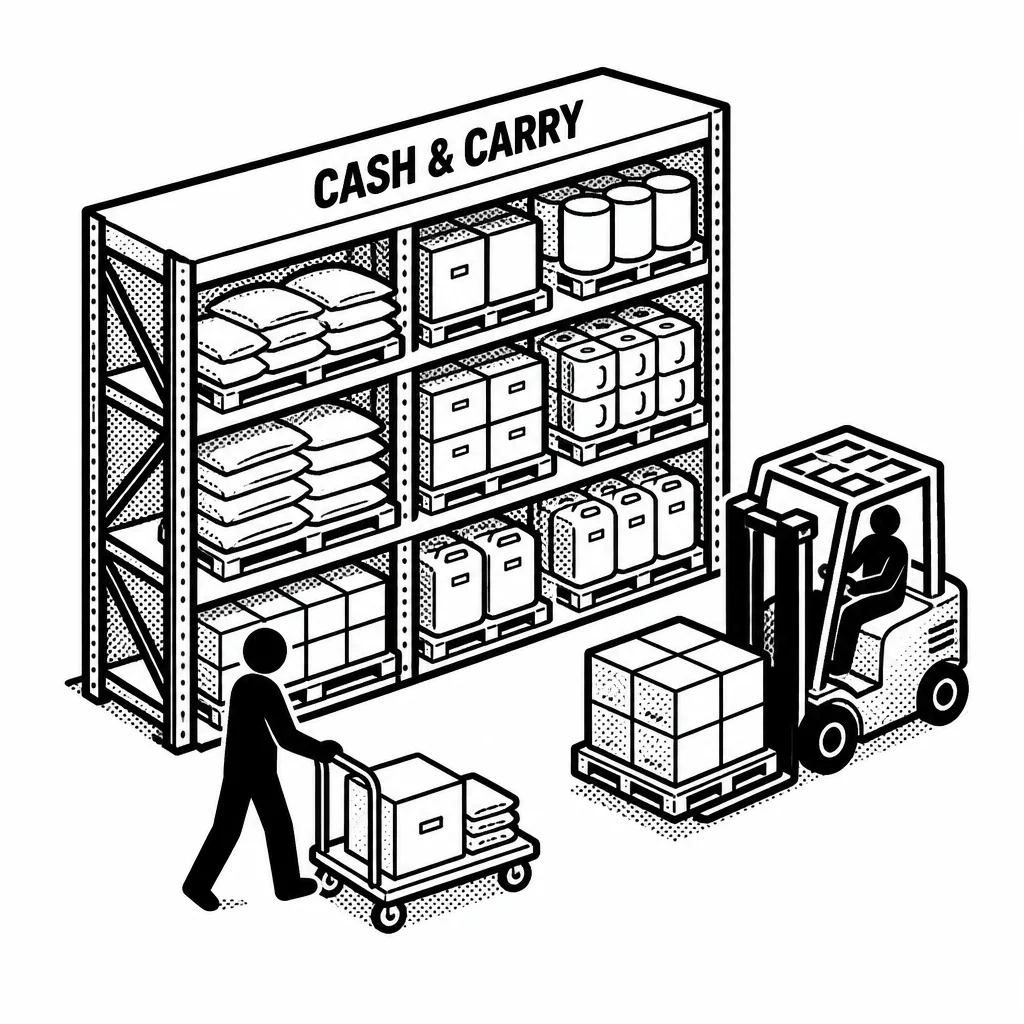
Grupo Mateus is one of Brazil's biggest food retailers, running two kinds of stores side by side. One is the regular supermarket, where families walk in with a cart and buy groceries, fresh food, and household items. The other is the wholesale cash-and-carry format, a big bare-bones warehouse where small shopkeepers, restaurants, and price-conscious shoppers buy in bulk. Both formats sell essentially the same thing — food and non-food products — but to slightly different customers and at different price points.
The company started in the northeastern state of Maranhão and built its name there before pushing into other regions. That origin matters: the Northeast has historically been underserved by big national retail chains, so Grupo Mateus grew strong in markets where it faced less competition from giants like Carrefour and Assaí. Its stores are concentrated in the North and Northeast, though it has been expanding into the Center-West and other parts of Brazil. Being the hometown favorite in smaller cities gives it loyal customers and a strong local supply chain. How does it make money? Thin retail margins, moved in huge volume. Supermarkets typically earn just a few cents on each real of sales, so profit comes from selling enormous quantities and running efficient operations. The wholesale format helps here, because bulk buyers purchase large baskets and return often. Grupo Mateus also runs a real estate arm that develops and owns shopping centers and store properties, which adds another stream of income beyond groceries.
The business is a steady store-opening machine. Each year it pours money into new locations, which is the main way it grows revenue — open more stores, serve more neighborhoods, sell more groceries. That expansion costs a lot upfront and can squeeze profits in the short term, especially when a new region takes time to mature. It is a simple but demanding game: win on price and convenience, keep costs low, and keep planting new stores where competitors are thin.
Saved answer · last researched 12 Nov 2026