Understand any stock in simple English
Enter a ticker to learn what the company does and how it makes money.
GFL Environmental Inc.
GFL Environmental is a North American waste management company that collects, sorts, and disposes of garbage and recyclables for homes, businesses, and municipalities.
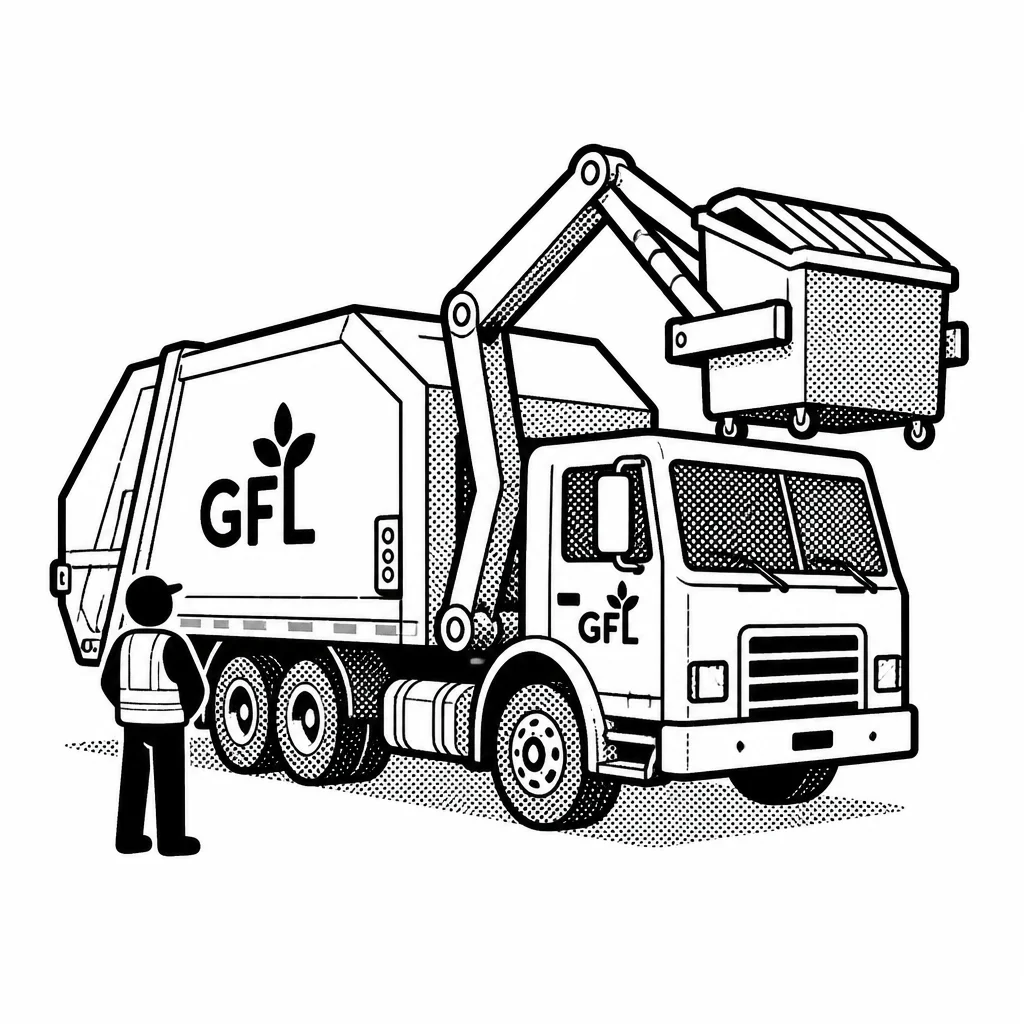
GFL Environmental is one of the biggest waste collectors in North America, and the business is easier to picture than the name suggests. When your trash truck pulls up on a Tuesday morning, a company like GFL is often the one behind it. It hauls away non-hazardous garbage, recycling, and organic waste, runs the landfills and transfer stations where that stuff ends up, and sells the recycled materials it recovers. Its customers are municipalities, homeowners, and businesses of every size, from a single restaurant to big industrial plants.
The money side is what makes this a good business. Waste collection is a subscription service: customers sign multi-year contracts, and somebody has to pick up the trash every week whether the economy is booming or shrinking. That steady, recurring cash flow is the core appeal. GFL built itself up through a long string of acquisitions, buying local garbage haulers across Canada and the United States and folding them into one large network. Scale matters here, because a denser collection route means fewer trucks driving farther for the same revenue. The company has a reputation for aggressive dealmaking, and that has come with a heavy debt load — the bill for all those acquisitions. It has also been shifting its mix toward more profitable work, such as solid waste collection and landfill operations, and toward high-margin environmental services like soil remediation, rather than low-margin recycling. Its main rivals in North America include Waste Connections, Waste Management, and Republic Services, all much larger players it competes with for contracts and for the small haulers it likes to buy. In 2025 it struck a deal to sell its environmental services division to TerraVest, part of an effort to slim down and pay down debt.
GFL went public on the Toronto Stock Exchange and also trades in New York, and its founder, Patrick Dovigi, still controls a big chunk of the voting power. That matters, because it means outside shareholders have limited say over the company's direction. Waste management is a surprisingly good business — landfills are hard to build and win local approval, so incumbents enjoy a quiet moat — and GFL's bet has been that it can buy its way into that moat and then use its scale to make each route and each landfill a little more profitable.
Saved answer · last researched 12 Nov 2026