Understand any stock in simple English
Enter a ticker to learn what the company does and how it makes money.
Frasers Property Thailand Industrial Freehold & Leasehold REIT
It owns and rents out industrial factories and warehouses in Thailand, and pays the rental income to its investors.
FTREIT is a real estate investment trust, a kind of company that owns buildings and passes the rent along to the people who put money into it. This one owns industrial factories and warehouses across Thailand and leases them to businesses that make things or move things around. A furniture maker needs a big shed. A logistics company needs a distribution center. FTREIT owns the buildings and collects the rent.
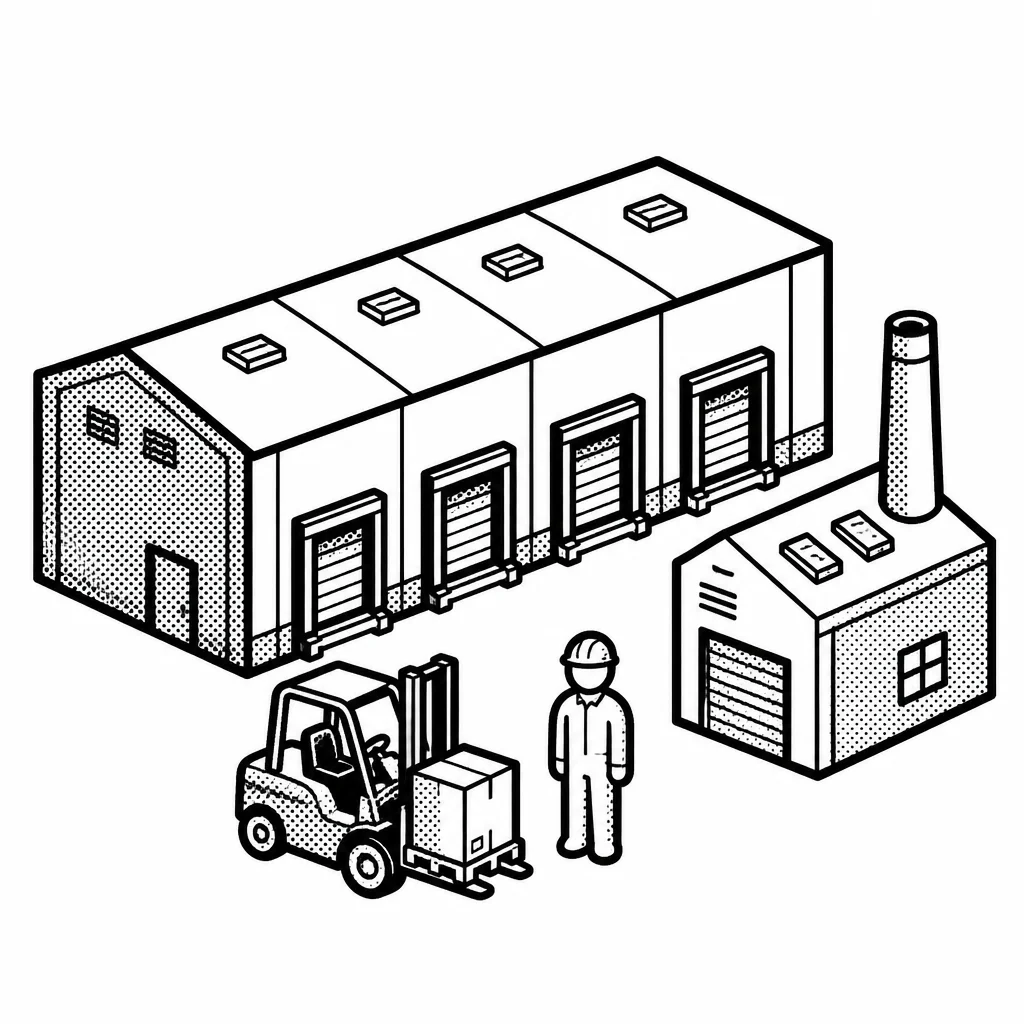
The fund was set up by Frasers Property Thailand, part of the Frasers Property group that builds and develops real estate. That sponsor pipes new warehouses and factories into the trust over time, which is how it grows: it buys or develops more buildings and uses investor money and debt to pay for them. The tenants are mostly manufacturers and logistics firms who would rather rent than tie up cash in buildings of their own. They sign multi-year leases, which gives FTREIT steady, predictable rental income. As a REIT, it must hand out most of its taxable profit to unitholders, so investors buy it mainly for the dividend yield. The catch is that it must constantly raise money to buy more buildings, and it takes on debt to do so. Rising interest rates make that debt more expensive and make its dividends look less attractive compared with safer bonds. Falling rates do the opposite, which is why the price can swing with rate expectations even though the underlying business — collecting rent — barely changes.
The Thai industrial property market is competitive. Developers like WHA Corporation and Frasers Property Thailand itself are major factory and warehouse builders, and rival industrial REITs such as WHA Premium Growth Freehold and Leasehold Real Estate Investment Trust compete for the same tenants and investors. FTREIT's edge is scale — a huge, diversified portfolio across multiple industrial estates — and the support of a seasoned sponsor that keeps feeding it new assets. Its vulnerability is the same as any landlord's: if Thailand's manufacturing and export engine slows, tenants need less space and signing new leases gets harder.
Saved answer · last researched 12 Nov 2026