Understand any stock in simple English
Enter a ticker to learn what the company does and how it makes money.
WHA Corporation Public Company Limited
WHA builds and rents out industrial parks, warehouses, and factories in Thailand and beyond, and sells land and utilities to the businesses that move in.
WHA Corporation is a landlord for factories. It builds large industrial parks — big pieces of land with roads, power, water, and wastewater systems already in place — and then sells or rents plots to companies that want to build plants in Thailand. It also puts up ready-made warehouses and factories for businesses that need space fast, and it runs the utilities that keep those estates running.
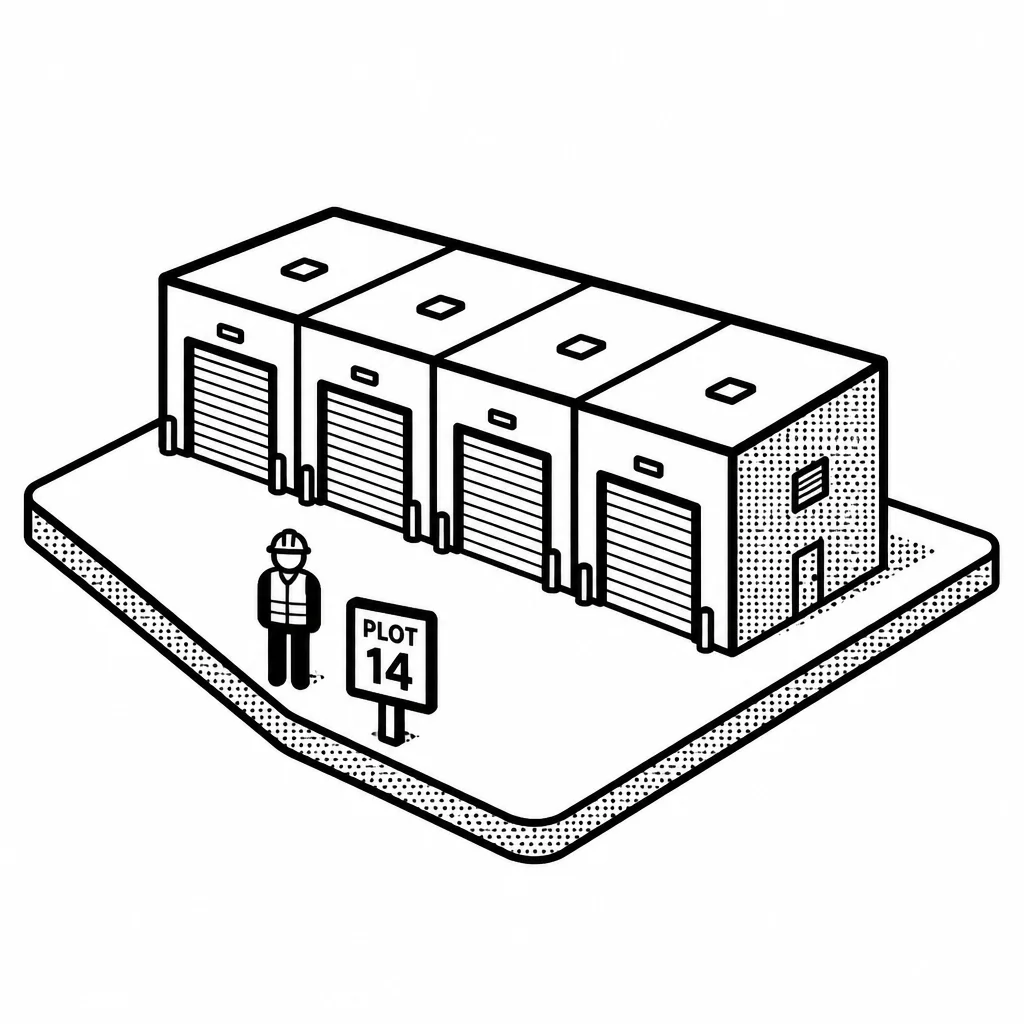
The business has a few main parts. The biggest is developing industrial estates and selling land to manufacturers, many of them foreign companies setting up factories in Thailand, especially in cars, electronics, and chemicals. The second is owning and renting warehouses and factories, which produces steadier recurring income. And then there's the utility side, selling power, water, and other services to the tenants on its estates. So WHA makes money both from one-time land sales and from the recurring rents and fees that come with them. Why do customers pick WHA over a competitor? Location and speed matter a lot. Thailand sits in the middle of Southeast Asia, and WHA's estates cluster along the eastern seaboard, close to ports and highways, which saves manufacturers time and freight cost. WHA also handles the paperwork and infrastructure so a company can start building quickly instead of wrangling with land, permits, and utilities on its own. That convenience is the product.
The catch is that land sales are lumpy — a big sale can make one year look great and the next look weak — so the rented warehouses and utilities are what smooth things out. WHA has expanded into logistics properties and joint ventures, and it also has operations outside Thailand, but the core engine remains the same: own the land, build the infrastructure, and collect from the businesses that fill it.
Saved answer · last researched 12 Nov 2026