Understand any stock in simple English
Enter a ticker to learn what the company does and how it makes money.
Companhia Paranaense de Energia - COPEL
Copel generates, transmits, distributes, and sells electricity to millions of homes and businesses across Brazil, with its home base in the state of Paraná.
Copel is one of Brazil's big electricity companies, and its main job is simple: it keeps the lights on for millions of people and businesses. It runs power plants that make electricity, the big transmission lines that carry it across long distances, and the local wires that deliver it to homes, shops, factories, and farms. Most of its customers sit in Paraná, a rich farming and industrial state in southern Brazil.
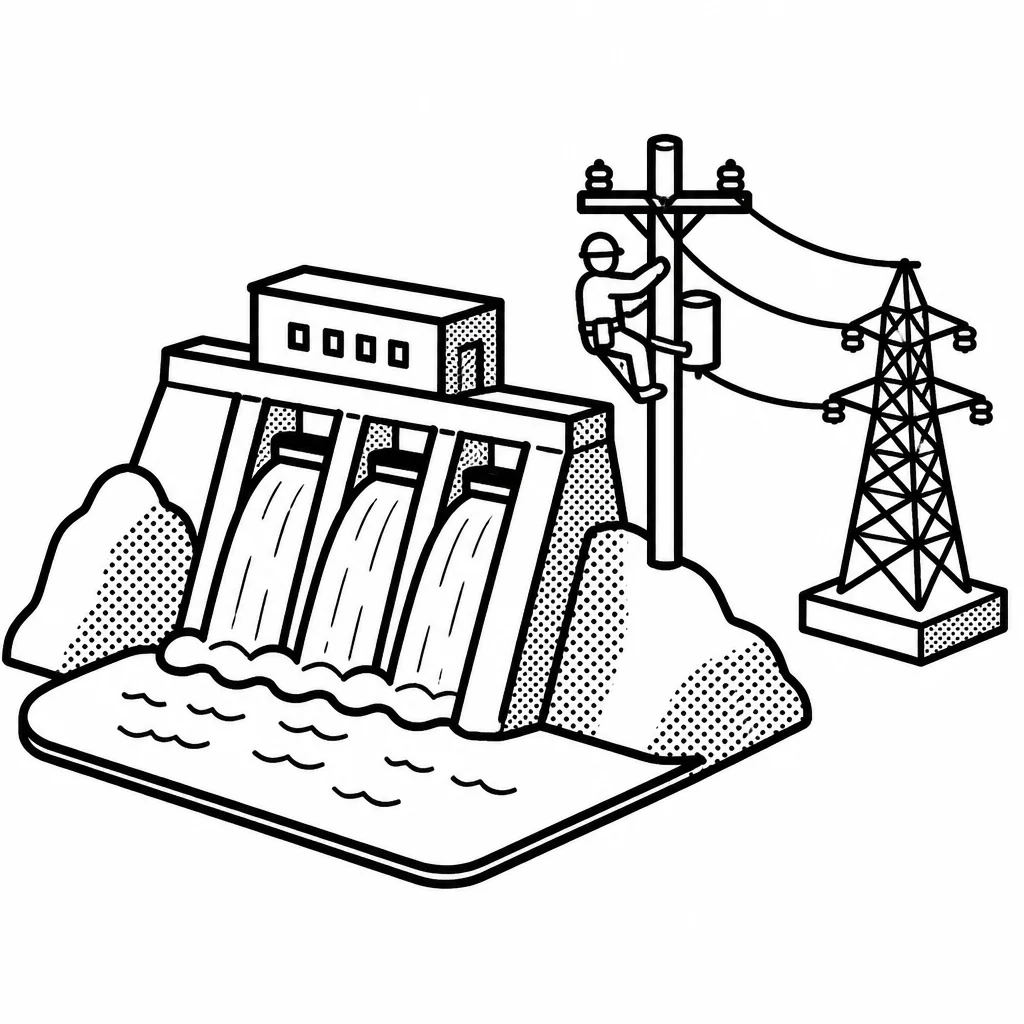
The company's steadiest business is its distribution arm — the local grid that almost every building in its service area plugs into. That is a regulated utility: Copel doesn't really compete for these customers, because a home or factory usually has just one set of wires running to it. A regulator sets the rules and the prices, which makes this part of the business predictable but capped. On top of that, Copel owns power plants, mostly hydroelectric dams, which is a huge advantage in a country where rivers do much of the electricity-making. Its transmission lines earn money as a toll road for power, a fee for moving electricity that other companies generate. For years, Copel was controlled by the government of Paraná, which meant political meddling and periods of messy finances. In 2023 the company completed a share offering that turned it into a true private-sector company with no controlling shareholder, widely described as one of the largest privatization-style deals of the year. That change matters: private owners push for lower costs, better service, and clearer growth plans, and the company has been working through those changes. It also pays out a good chunk of its profit as dividends, which is a big part of why investors have been drawn to it.
Copel's strengths are its locked-in customer base, its cheap hydro power, and its regulated, predictable cash flow. Its weaknesses are the ones that come with the turf: droughts can drain reservoirs and raise costs, regulators can change the rules, and Brazil's interest rates make borrowing expensive for a company that spends heavily on wires and dams. In short, it is a steady money machine — one that just traded government control for private ownership.
Saved answer · last researched 15 Nov 2026