Understand any stock in simple English
Enter a ticker to learn what the company does and how it makes money.
EcoRodovias Infraestrutura e Logística S.A.
EcoRodovias runs toll highways and port and logistics operations in Brazil, earning money mainly from drivers who pay tolls to use its roads.
EcoRodovias is one of Brazil's biggest toll-road operators. It wins long-term contracts from the government to run stretches of highway — maintaining the pavement, adding lanes, running ambulances and roadside help — and in exchange it gets to charge a toll at booths along the way. Drivers and truckers pay a few reais each time they pass; multiply that by millions of vehicles a day and you get a steady river of cash. The company also runs port terminals and some logistics services, but the highways are the heart of the business.
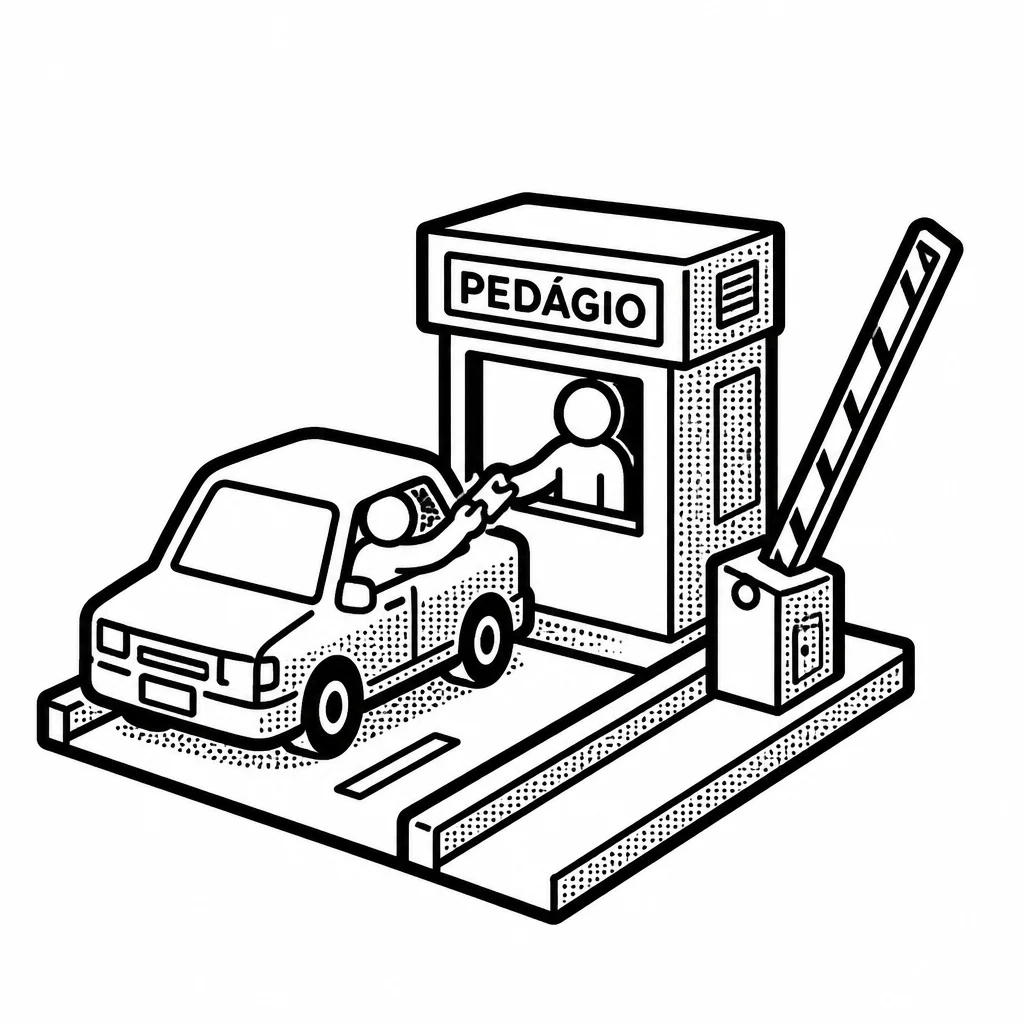
The economics are simple and powerful. Building or upgrading a road costs a fortune up front, but once it's open the costs don't rise much whether 10,000 cars pass or 30,000. Every extra vehicle is mostly profit. That's why toll roads are prized: demand barely changes with the economy, and the government has already agreed to the toll rates, usually with inflation adjustments built in. EcoRodovias grew by winning a series of these concessions over the years, adding major corridors in states like São Paulo, Minas Gerais, Espírito Santo, and Rio Grande do Sul. Concessions eventually expire, though, so the company must keep bidding for new ones to replace the cash flow it loses. That makes each government auction a high-stakes bet: pay too much and the road becomes a bad deal; lose too many and the business shrinks. Its main rivals in these auctions include CCR and Motiva. The port business adds diversification, but it is smaller and lumpier than the roads.
The big risks are the ones you'd expect: political pressure to hold tolls down, economic slumps that cut traffic, and heavy debt used to fund construction. In recent years EcoRodovias has also been hit by a wave of debt taken on to finance new concessions, which put pressure on its shares and pushed management to sell assets and focus on paying down borrowings. When it works, the model is a quiet money machine: collect tolls, keep the roads in shape, and reinvest in the next highway.
Saved answer · last researched 12 Nov 2026